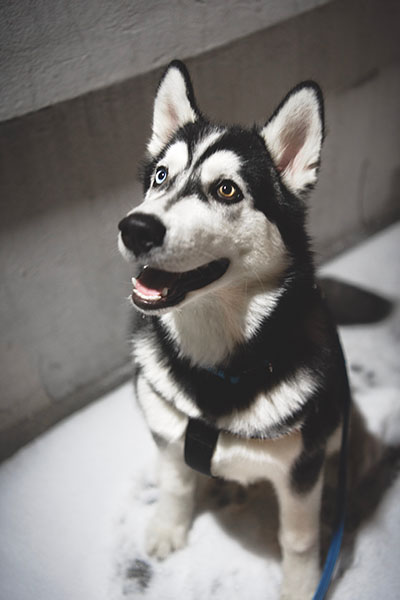
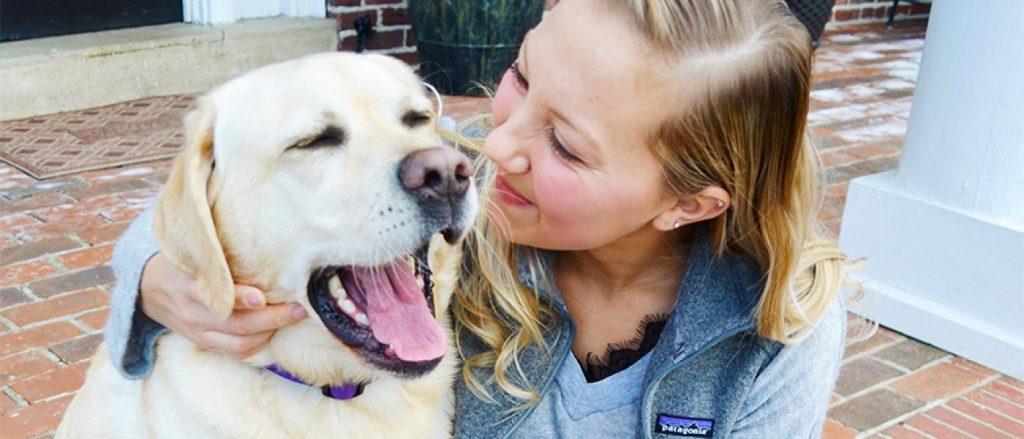
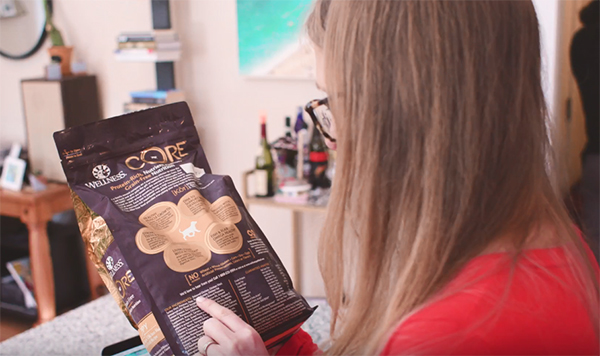
Winter can seem like a long and boring season for your pup and it is often hard to think of new ways to engage with your pet during these cold months! Here are five of Koda’s favorite things to do in the wintertime!
Take a (Short) Hike!
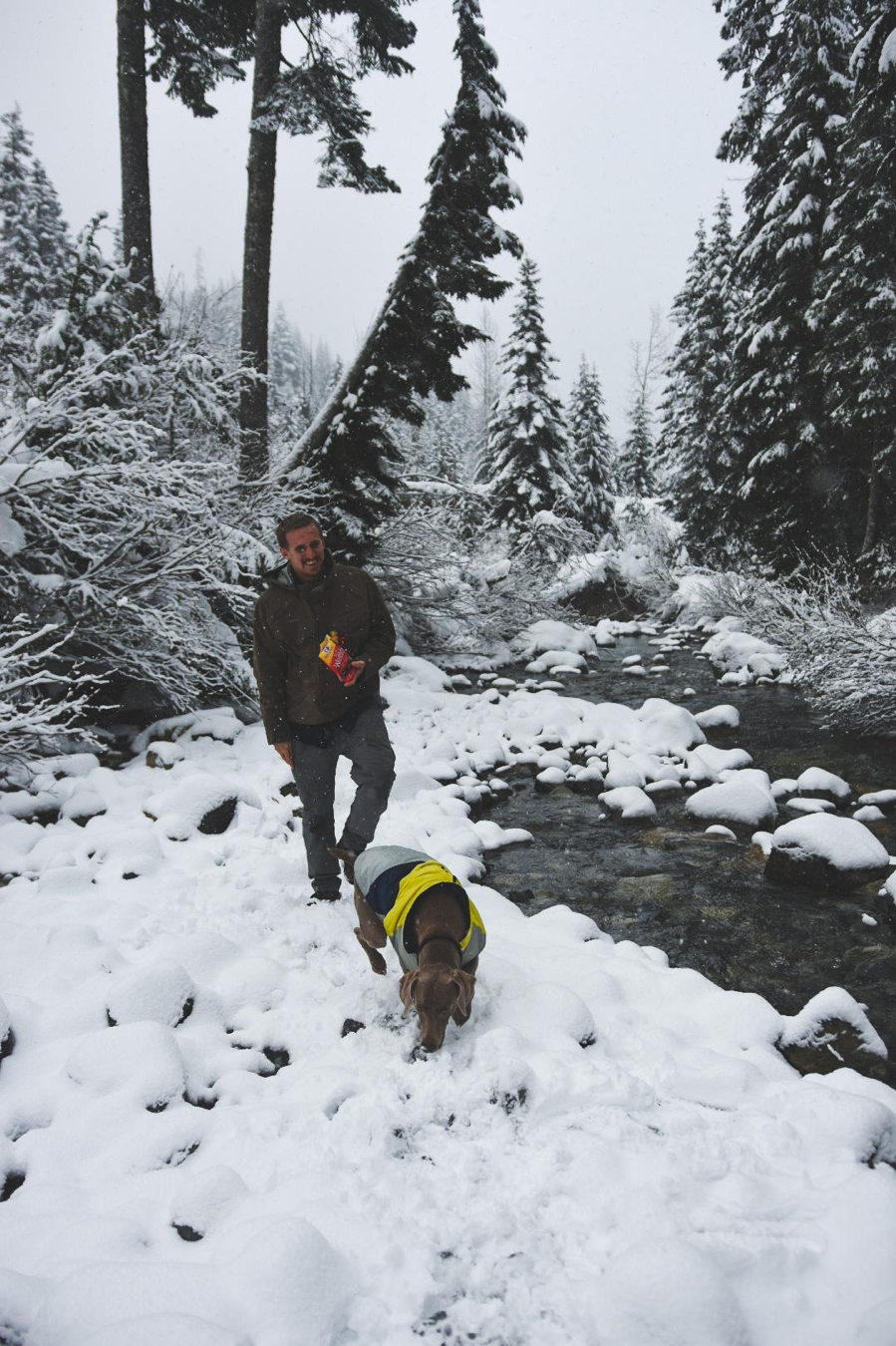
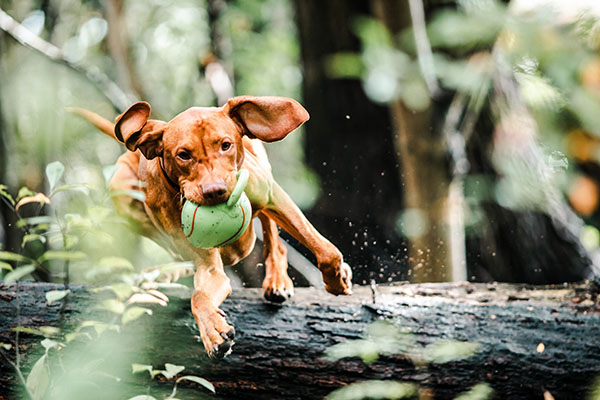
Koda always gets stir crazy staying inside all day and doesn’t have enough fur to keep him warm enough to be outside all day, so taking short day-hikes are our favorite way to get outside and let him run around! We are fortunate to live in the Pacific Northwest where we can find countless trails so close to us. Getting out of the house and exploring even for just an hour or two in the wintertime is not only good for your pet, but for you too!
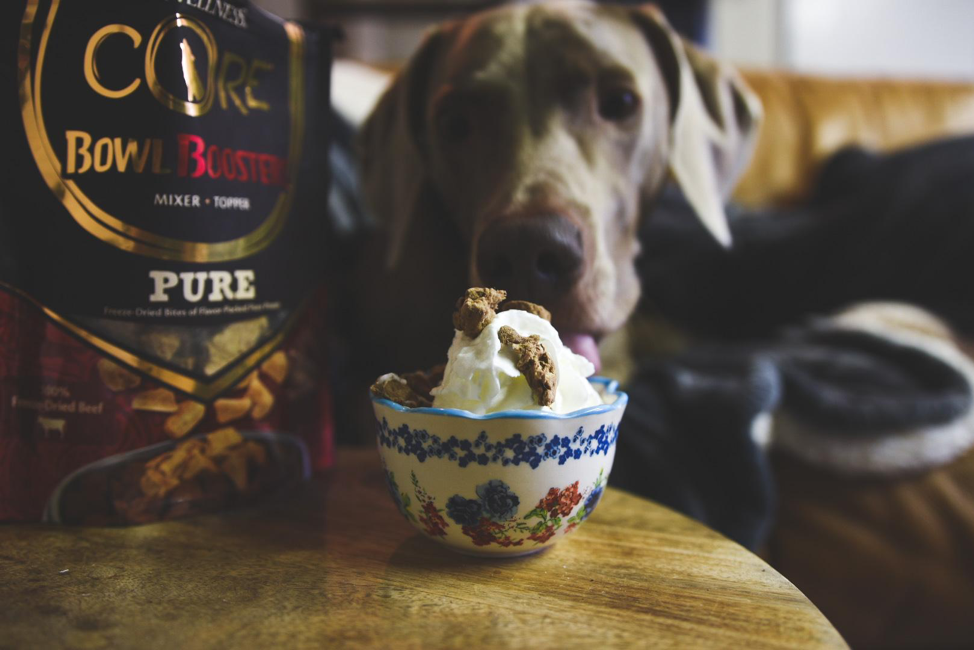
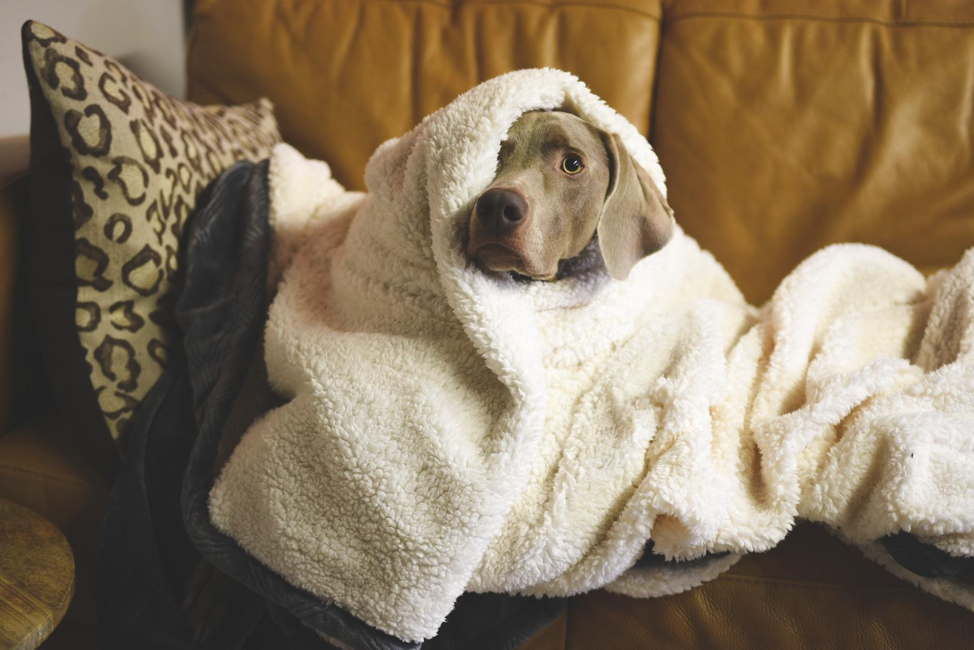
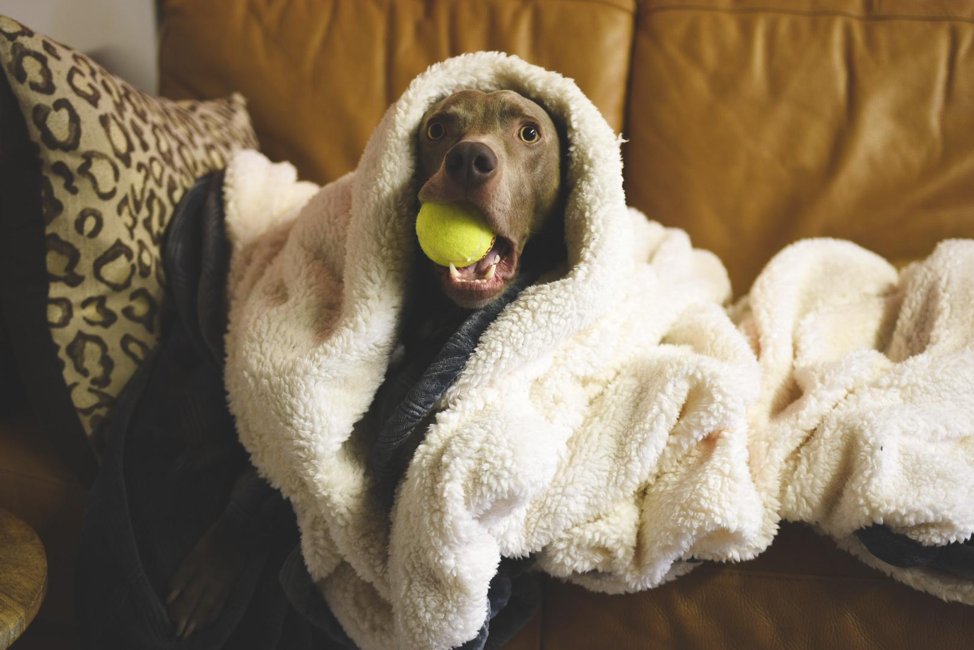
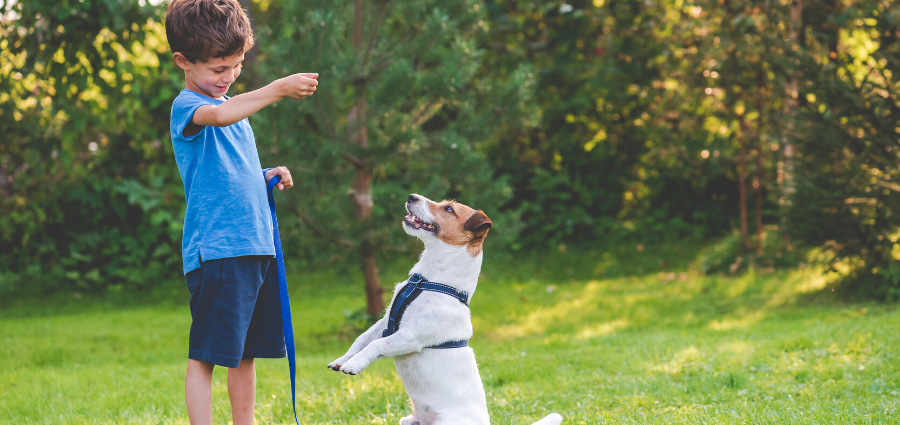
Stay In! It can be tough to get outside in the wintertime, especially when it starts to snow. If you get snowed in or just want to stay cozy inside, there’s still plenty of fun to be had with your dog! On days we stay in, Koda and I like to practice tricks, snuggle up with some fuzzy blankets, or do an at-home workout! Winter is also the perfect time to practice baking some homemade treats or a puppuccino!
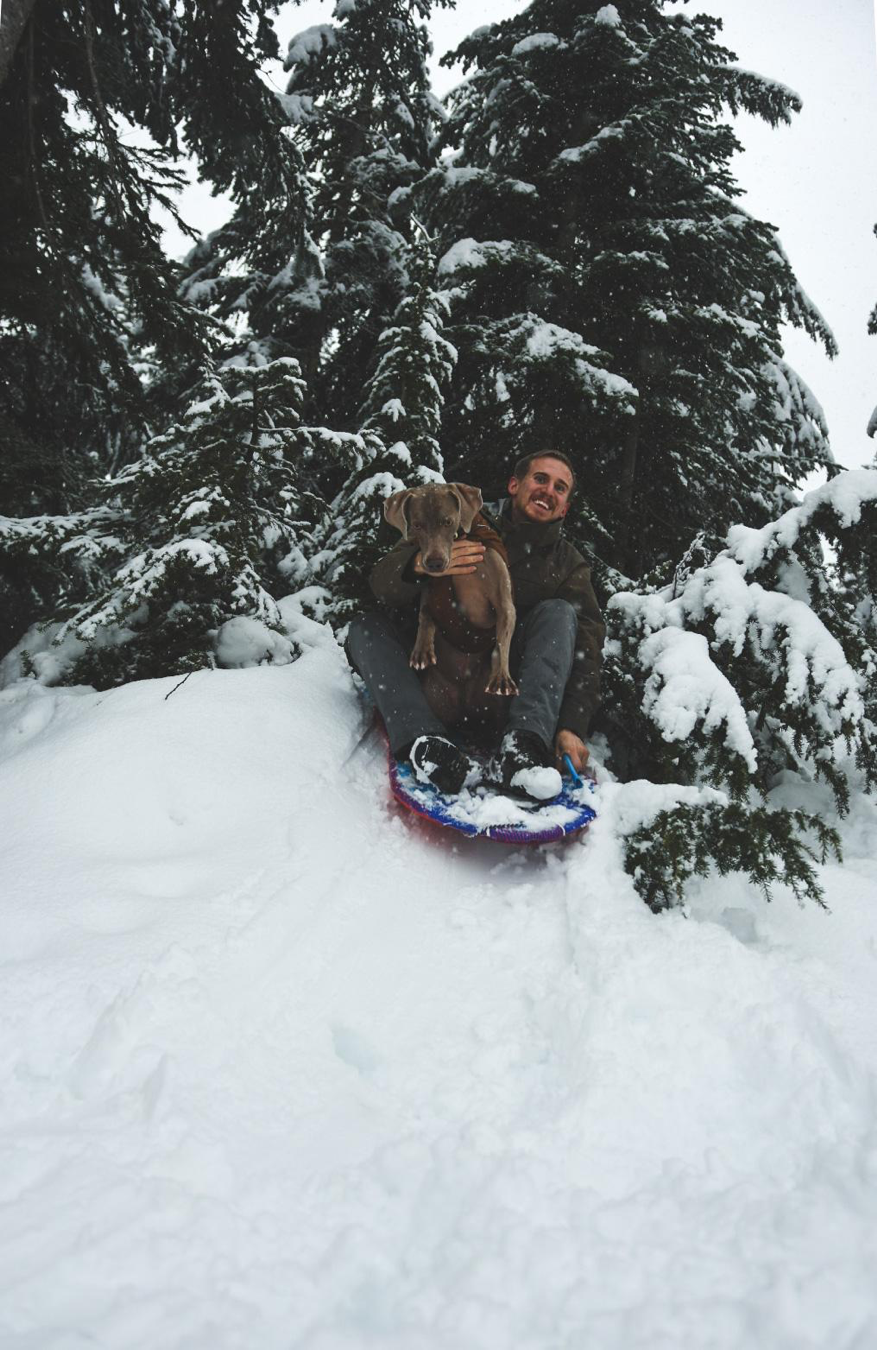
Sledding Koda has to be involved in absolutely everything we do so this year when we went sledding, Koda hopped right on with me! He loved every minute of it – he had so much fun chasing us up the hills and then riding the sled with us on the way down!
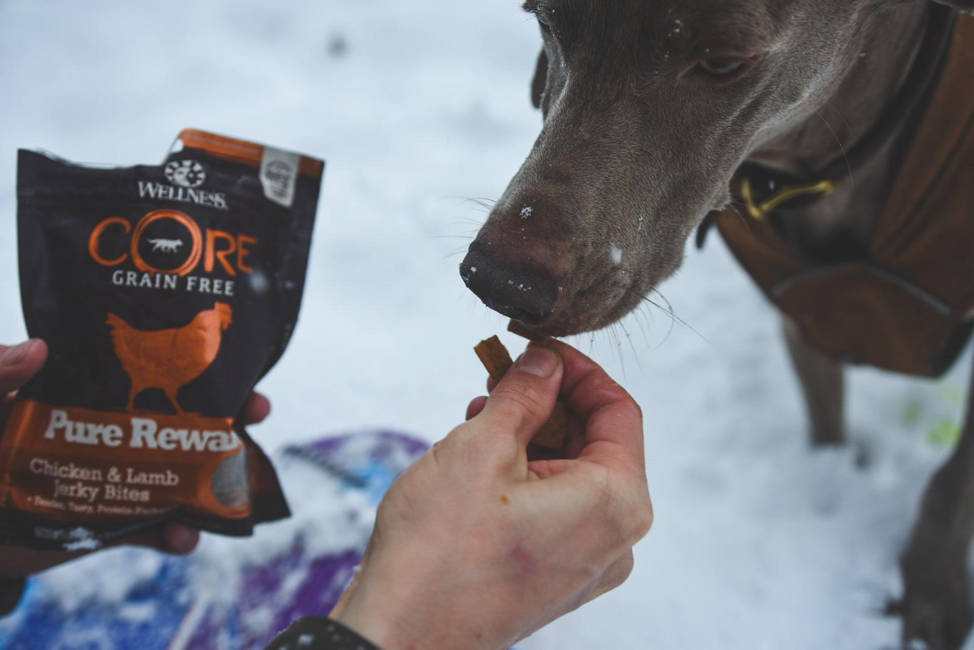
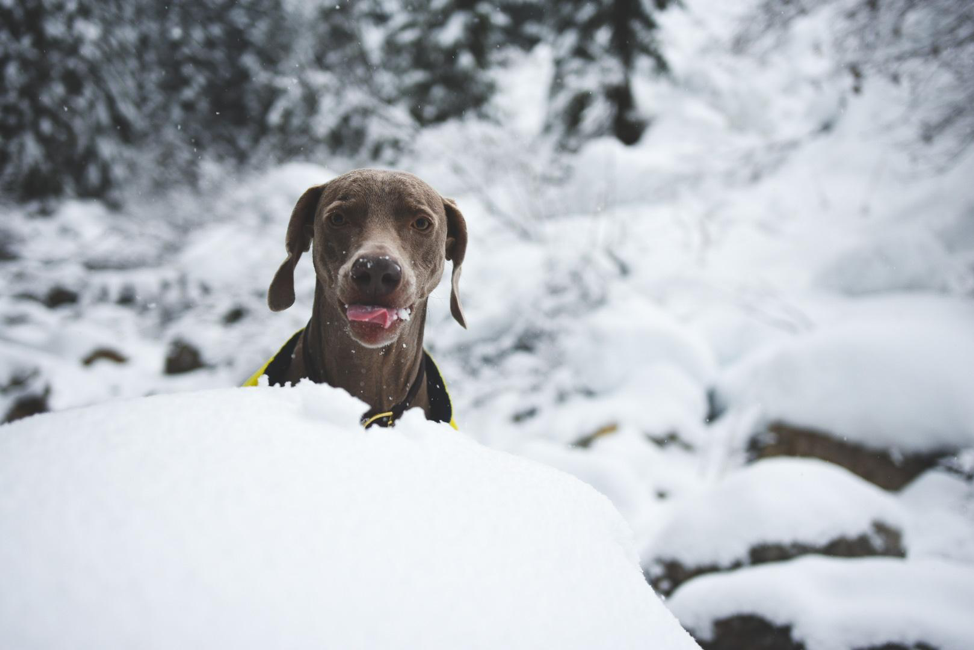
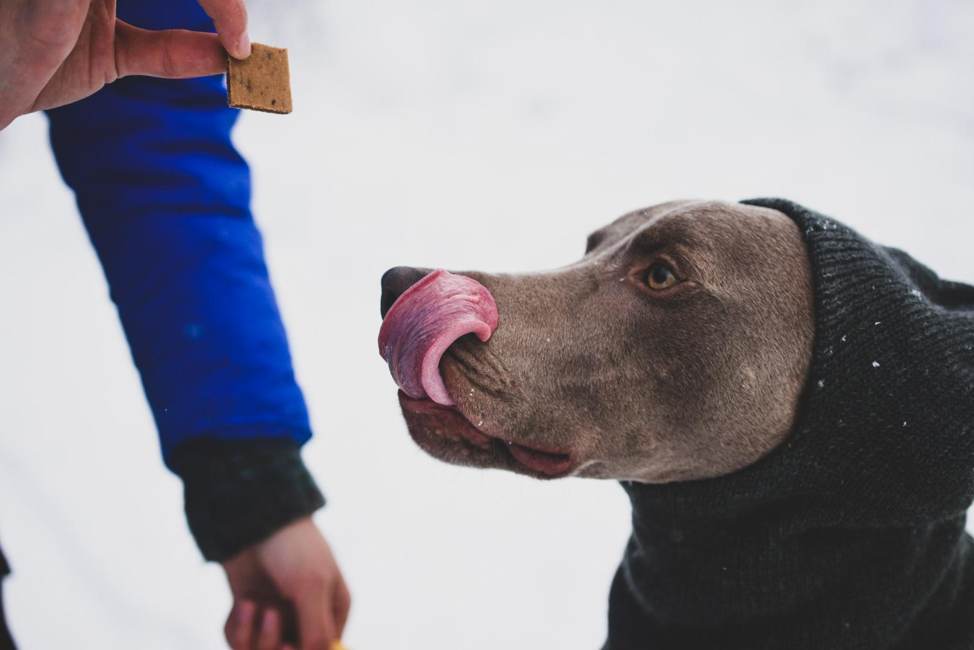
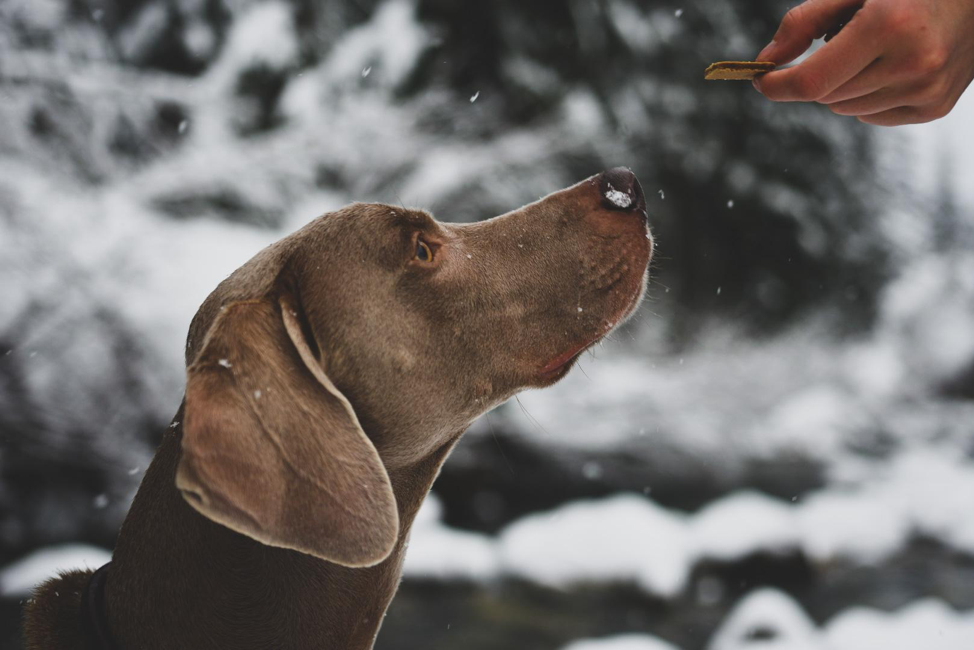
Have a Snow Day! Koda loves playing in the snow, but the roads can get nasty in the winter, making it hard to get out of town. We’ve invented several games out in the snow with him that you can play right in your backyard! One of Koda’s favorite snow day activities is catching snowballs filled with wellness treats!
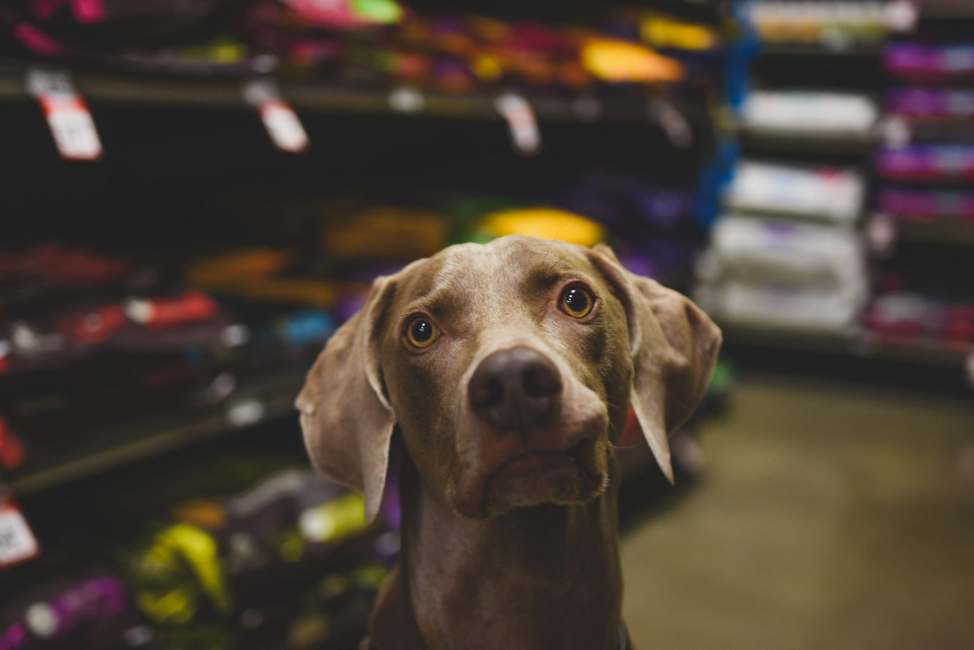
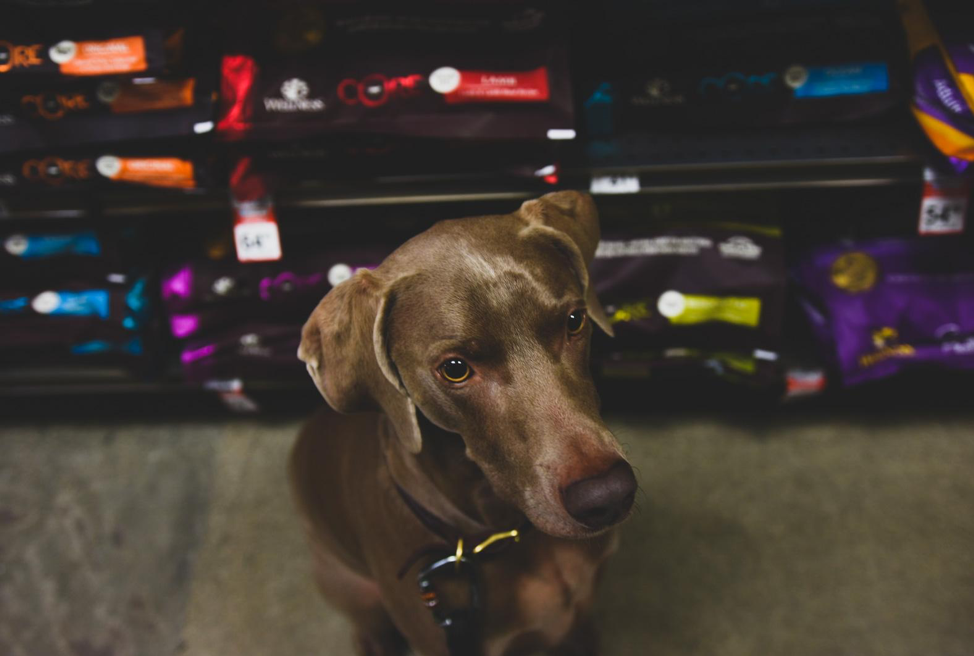
Errands If the weather doesn’t allow you to go exploring but your pup needs to get out of the house, taking them with you on quick errands is a great way to expend some of that pent up energy! Koda loves going with us on our trips into town. We try to include a stop that he can come into the store with us. I think Koda likes to run errands so much because he knows we’re going to stop into a pet store to pick up a toy or a bag of his favorite Wellness Treats!
Staying active year-round is so important for your dog’s health and these are just a few of the many ways to have fun with your dog in the wintertime! We hope you and your dog have as much fun with these activities as Koda and I do!
Your dog’s reduced appetite could be pointing toward more serious issues
Whether you’ve just adopted a new puppy, or you’ve had your furry tail-wagging friend for years, it can be very upsetting when your four-legged family member stops eating, especially if she usually has a healthy appetite! If your doggo or puppy just isn’t chowing down like she used to, it could be due to a variety of factors, ranging from health conditions to behavioral issues. While most healthy dogs can go a day or two without food, it’s important to monitor your dog’s health and behavior to see if there’s an underlying issue why he won’t eat. If your dog goes more than 48 hours without any food, it’s important to take them to see a vet immediately.
Reasons why your dog might not be eating
1. Your doggo could be sick or have serious health issues. 2. Recent vaccinations may be to blame for your dog’s reduced appetite. 3. Travel and new surroundings can make your pup turn her snout up at the food bowl. 4. Her mouth could be hurting. 5. Your dog might have eaten something dangerous. 6. Your pup could be suffering from an injury. 7. Aging could be responsible for the change in your dog’s eating habits. 8. Your pup could be stressed out or depressed. 9. You might be feeding your dog too many treats. 10. Your dog simply doesn’t like the food you’re providing her with.
1. Your doggo could be sick or have serious health issues. A lack of appetite could indicate cancer, infections, liver problems or kidney failure, so talk to your vet if you think your dog might be sick.
2. Recent vaccinations may be to blame for your dog’s reduced appetite. Vaccinations are vital to keeping your dog healthy, but they may cause your dog to temporarily lose her appetite.
3. Travel and new surroundings can make your pup turn her snout up at the food bowl. Did you take your dog somewhere new? If your pup was eating just fine until you went on a trip, her loss in appetite could be due to the stress of traveling and new surroundings. Some dogs may also get motion sickness in cars.
4. Her mouth could be hurting. Check your dog’s mouth – something might be causing her pain. As your vet to check your pup for broken or loose teeth, gingivitis or an oral tumor.
5. Your dog might have eaten something dangerous. Your dog may have eaten something that upset her tummy, such as bugs and insects or toxic human food.
6. Your pup could be suffering from an injury. Pain medication and pain from injury can cause your pup to lose interest in her food bowl. 7. Aging could be responsible for the change in your dog’s eating habits. As dogs get older, their appetite may decrease. Physical changes and diseases associated with aging can cause a decrease in appetite. Older dogs may stop eating as much simply because they’re not moving around as much as they did when they were a puppy.
8. Your pup could be stressed out or depressed. If your puppy suffers from stress or anxiety, mental health issues may be to blame for food left in the bowl. If your dog is in new surroundings or around other animals, she might not want to touch her food.
9. You might be feeding your dog too many treats. Dogs love their treats, but they can also have too much of a good thing! Too many treats can mean your dog isn’t hungry at dinner time. No matter how good of a dog she is, make sure to monitor your pup’s treat intake.
10. Your dog simply doesn’t like the food you’re providing her with. Some dogs are just picky and won’t eat their food because they simply don’t like it. Try switching to a new food, such as Wellness CORE RawRev, which can get picky dogs excited for mealtime.
Since loss of appetite in pups can indicate serious illness or injury, make sure you consult your vet regarding your dog’s health and well-being if she stops eating.
Keeping your dog happy and healthy is important to you, and we understand you only want to give your pet the very best. Keep your pets looking and feeling their best when you treat them to Wellness Pet Food. When you give your pups Wellness Pet Food, you can be sure that their health and happiness are taken care of, since our food and treats are made with natural ingredients and crafted with your pet’s wellbeing at heart.
There is a good reason that dogs are called man’s (and woman’s) best friend. From the moment you bring your new dog home, he will spend his lifetime striving to be your biggest fan, most ferocious protector, snuggliest couch cuddle partner, and honorary child in your family portraits. And whether it’s a wriggling new puppy that joins your pack or a senior dog celebrating his third act by leaving the animal shelter to become part of your family, your new dog will ultimately end up being your best friend. But bringing a dog into your life isn’t a matter to be taken lightly; you are making a commitment for that dog’s whole life! If it’s your first time adopting a dog, you might need a few pointers on where to start!
Make sure you’re truly ready.
“Owning a dog is a big responsibility.” We’re sure you’ve heard those words before when you were a kid trying to convince your parents that you were ready for one of the squirmy pups in the box marked “Free Puppies.” But even as an adult, it’s true. A dog takes time and money, and you need to make sure you have enough of both before committing to a new pet.
Consider your lifestyle; do you have time to take a dog for a walk a few times a day (or pay someone else to do it for you while you’re at work)? Do you have time to visit the dog park on weekends, to throw a ball with your pooch in the yard, or to simply sit petting your dog regularly? And for the financial side, do you have the funds for required and recommended vaccinations, quality food, boarding fees when you’re out of town, extra cash for travel fare when flying with your dog? Deciding to bring home a new dog is a long term decision, a lifelong decision for your dog, so make sure you are truly ready and capable.
Do your research and choose wisely.
It is said that some people look like their dogs, and while that may not always be the case, it is unquestionably true that there are certain breeds for certain people. Do you have an active lifestyle? Choose a sporting dog, or working dog, who have lots of energy and need an equal amount of time for exercise. Do you have an allergy to dog hair or dander? Look for a hypoallergenic breed that doesn’t shed. Have a small apartment and not a big yard for running? Consider a toy breed, who can get their exercise by throwing a ball in your living room.
Have small children? Consider more patient, cuddly breeds, like the Golden Retriever, known for being true family dogs. But beyond researching the breed, once you have found the dog you think is for you, research that particular dog. Sure, new puppies don’t have much history, but that sweet, earnest face peering at you from behind the sign marked ‘Mixed Breed, Approx. 5 Years Old’ at the animal shelter?
That dog has a past, and while you may never know everything there is to know about where he’s from or what he’s experienced, you can spend some time with him before bringing him home. Some rescue dogs will require extra love, attention, medical care, training, or therapy, but they will be worth every moment. But be fair to yourself and the dog by knowing as much as you can before saying ‘yes,’ so that you can be as prepared as possible.
Prepare your house and family.
Sure dogs are going to chew and have accidents in the house before they are housebroken, but since you know that, you can’t completely fault your animal if something irreplaceable is damaged, or if your new rug now requires a $150 cleaning to remove some, ahem, stinky stains.
Prepare your home for your dog’s arrival by removing or securing dangerous objects (poisonous plants, small choking hazards, exposed electrical cords, household cleaning supplies and chemicals), storing precious items that cannot be replaced, and creating barriers to keep your pooch contained to safe, dog-friendly zones, using dog gates or closed doors.
Also, prepare your family, especially if you have small children, by explaining your new dog’s needs and boundaries and giving everyone a chance to commit to their part in the care of your dog, including walking, bathing, feeding, and of course, showering with love and affection.
Stock up on the right supplies.
Just like any member of your family, your new dog will have basic needs, including food, water and shelter, and the choices you make for these items can contribute heavily to your dog’s overall quality of life. Make sure there is constant access to water (unless recommended otherwise by your vet) and changing that water frequently is a must.
Quality food is imperative, and choosing a diet based on your specific dog’s breed and health requirements is easy when you know where to look (hint, hint). Of course, Wellness Pet Food offers delicious food for cats and dogs, and quality ingredients are at the basis of everything we do. Lower quality dog food made with fillers and byproducts? That’s like going through a drive-through every single day for fast food. Would you do that for yourself? Of course not!
So give your dog a better life with better food. And finally shelter; will your pooch live indoors or outdoors? If outdoors, make sure he is in a secure area with a tall enough fence or enclosure and can easily access his own space out of the elements, one that will stay warm enough in the winter and cool enough in the summer.
Spend Some QT
Finally, make sure you can spend a good amount of quality time with your new dog when you bring him home. Plan his arrival around a weekend, a school vacation, or even take a few days off work. Give some thoughtful planning to how you will spend your first days together, making sure he knows that he is safe and loved. And, of course, now is a good time to get started on tricks! Even old dogs can learn a few tricks, too. Most of all, enjoy your new friend. Because, as they say, dogs may not be our whole lives, but they do make our lives whole.
Kittens grow up very fast especially during the first few weeks of their lives. Here’s a timeline of those captivating milestones so you can chart their development as they discover the wonderful world around them—and you.
Here’s what to expect:
Newborn Kittens
Kittens are born blind and deaf.
Eyes are closed and ears are folded at birth.
No teeth yet.
Around five days, eyes start opening and initially are blue in color.
Around five days, ears start to unfold and they can begin to hear sounds.
During the newborn kitten stage, kittens are totally reliant on their mother. Keep in mind that if there is no mother cat, kittens require special 24/7 care including being fed a special kitten formula every two hours which is designed to strengthen their immune systems and build healthy bones. Never give a kitten dairy or other milk products that humans consume.
Two Week Old Kitten
Wobbly movements. Kittens start to make wobbly attempts to stand up but remain very close to Mom and each other.
First squeaky mewing sounds.
The first of 26 baby teeth start to come in.
No claw movement. They are still too young to be able to retract their tiny claws.
Three Week Old Kitten
Eyes and ears are properly developed (although eyesight will still be a bit blurry).
Introduce human touch. A mother cat will groom her kittens with her tongue. To get them used to being groomed by people, brush gently with a very soft toothbrush which replicates the feeling of a mother’s tongue.
Four Week Old Kitten
Kittens are no longer considered neonatal.
Appearance resembles fluffy baby versions of a full-grown cat.
Kittens begin to explore their surroundings.
Start to interact and socialize with them. Play time is a great way for kittens to build confidence around people. But don’t over crowd them. Toddlers and young children should be allowed to look but not touch. Kittens are very delicate.
Ready to eat their first kitten dinner. Introduce them to very small amounts of soft food. Wellness® Complete Health™ Pâté Kitten Recipe that has been formulated to provide the extra energy kittens need in the form of calories, fat and protein to fuel their new exploratory adventures.
Feed mom extra calories. In fact, Because the AAFCO nutrient profile is the same for growth and reproduction, you can feed the mother cat the same kitten recipe as she needs strength and energy to feed a litter of kittens! You can’t overfeed the mother cat given the amount of milk she is producing to feed a litter. Take advice from your veterinarian regarding her diet to ensure she remains healthy.
Feed them alongside their Mom. This a great way to interact with them and still allow them to be close to Mom. Put the food on a flat bowl or large plate so everyone can gather around. Gently stroke the kittens so they know to stay put and eat.
Kittens can be cleaned with a warm, damp paper towel.
Introduce a low-profile litter box. Instinctively kittens know what to do in the litter box but will need help getting in and out!
Six Week Old Kitten
Eyes are fully developed and focused.
Kittens will start exploring short distances.
Kittens start enjoying interacting with each other and their mother, practicing their pounce and play skills.
Signs of your kitten’s individual personality starts to develop. Little kitten. Big personality!
Baby teeth start to come in. Kittens teethe and will appreciate a special kitten teething toy. Keep it cool in the refrigerator when not in use.
Eight Week Old Kitten
Kittens are weaned
Earliest window for spaying and neutering (if the kitten weighs two pounds or more).
Ready to be adopted into their forever homes.
They will now only be eating a specially formulated kitten recipe or one suitable for all life stages. It’s a good idea to offer both wet and dry foods so that they get used to eating both.
Feed small meals three times a day. Reference the feeding guidelines.However, if they seem hungry increase the amount. It’s difficult to overfeed a kitten at this age since they are growing so rapidly.
Socialize your kitten. Get them used to being around people, but start slow. Not too many people at once.
Introduce a grooming routine. By stroking them and playing very gently with their feet you are also priming them for a grooming routine (and mani-pedis) when they are older.
Ten Week Old Kitten
All 26 baby teeth are in.
They are now able to retract their claws.
The eyes are now a permanent color.
Personality with a capital P! Kittens develop distinctive and individual personality traits. They are all very curious, but some will be bold and others shy.
Sleeps less and plays more.
Twelve Week Old Kitten
They need supervision. At this age, kittens are raring to go and will play fast and furiously, testing their abilities to climb and pounce, and then collapse to nap, recharge and start again.
Confine them to one room when they are home alone. This is for their own safety. Remove heavy objects from shelves that could harm them if they fall during boisterous play.
Reduce the amount of times fed daily to 2, while still referencing the food’s feeding guidelines.
Four Month Kitten
This is an intense growing period for kittens. They expend boundless energy and will enjoy small toys to bat about.
Their appetite continues to increase. Stick to the guidelines on the recipe and be careful not to overfeed.
Begin leash training if desired. If you are planning to take her safely outdoors, consider purchasing a special kitten harness and 6-foot leash combo.
Five Month Kitten
Their relative growth rate starts to slow as they approach six months.
Young kittens can still reproduce! If you acquired a kitten from a friend and not from a shelter or rescue group, it is now imperative to ensure she has been spayed or neutered by the time she is five months old. According to research done by an organization called Marian’s Dream that runs a nationwide program called Feline Fix by Five, research has shown that if a cat is spayed before the age of five months, this can greatly reduce unplanned and unwanted kitten litters because young kittens can go into heat and thus, this greatly helps reduce the homeless cat population.
Kitten vaccinations should now be complete.
Six Month Kitten
Meet your fully-grown baby cat. Kittens are considered fully grown around six months of age. However, certain large breed cats can continue growing up to one year.
Nine Month Kitten
Revisit dietary requirements. While kittens need a higher calorie food as they are growing, feeding such a formula after a young cat is fully grown can result in obesity.
Check with the vet. Each kitten is an individual so it’s best is to ask your veterinarian about nutrition their specific nutrition requirements.
The adult teeth are in. This is often when veterinarians suggest changing from a kitten food.
One-Year-Old Kitten/Cat
At 12 months, physiologically, a kitten is now a fully-grown cat.
Get ready for a teenage temperament. In terms of temperament and actions, a one-year-old cat is the feline version of a human teenager!
A Final Word on Kittenhood
If you are adopting and can afford it, two kittens are better than one. Cats love same-species companionship, especially if you adopt littermates. It means twice the fun and twice the love and they are less likely to be lonely when they are home alone.
If you recently adopted a kitten, please share photos of your fur baby’s magic milestones by tagging us with #wellnesspetfood and @wellnesspetfood for a chance to be featured on our website and social pages.
Keep your pup healthy by helping him maintain a healthy weight
Dogs – like people – can have a harder time getting around and doing things dogs do if they are overweight. Studies show that more than half of the dogs in the United States are overweight and at risk of developing debilitating health problems. Since January is Weight Loss Awareness month, maybe it’s time to start your dog on a weight loss regimen if they are starting to look a little pudgy or move a little slower. Dogs who maintain a healthy weight live longer, so keep your pup around as long as possible by helping him maintain a healthy weight.
Is your dog overweight?
If you can’t easily feel your pup’s ribs or shoulder blades, he might be overweight. If you can’t see your dog’s waist or there’s a roll of fat at the base of your dog’s tail, it’s time to shed some pounds. As always, consult your vet if you have any questions about your puppy’s health.
Helping your dog lose weight
How can your help your favorite tail-wagging friend drop some pounds? The answers are surprisingly simple. Try the below 7 tips to help keep your puppy trim. 1. Calculate how many calories your pup needs 2. Regularly weigh your dog 4. Switch up the treats 5. Give your pup daily exercise 6. Provide your pet with the right supplements 7. Give your dog less carbs and more protein
Keep reading to see how those 7 tips can help your dog shed some pounds and live a long, healthy life.
1. Calculate how many calories your pup needs. To help your dog lose weight, you need to make sure he’s burning more calories than he’s eating or simply, the calories in need to be less than calories out. If you don’t know how many calories your pup needs, then you won’t know how much to feed him. You can ask your vet for advice on how many calories to feed your dog. You can also calculate your pup’s calories needs with this simple formula: divide your pet’s weight by 2.2 and multiply times 30. Add 70 to that number, and you should have a good starting point on how much to feed your dog. Once you know how many calories to feed your dog, determine how much food your dog needs, and make sure you’re measuring his meals.
2. Regularly weigh your dog. Keep tabs on your dog’s weight loss by weighing him regularly. A small dog can be weighed on a baby scale, or take your large pup to the vet’s office every couple of weeks to use the walk-on scale.
4. Switch up the treats. Dogs love their treats, but too many unhealthy treats can make the scale tip in the wrong direction. Treat your dogs to healthy treats from Wellness Pet Food, or give him veggies such as baby carrots, celery, broccoli and green beans. You can also offer your pup bananas or ice cubes.
5. Give your pup daily exercise. Make sure your dog has a long and healthy life by providing adequate exercise. Just a 20-30 minute walk is enough to boost your dog’s immune system and improve cardiovascular health.
6. Provide your pet with the right supplements. Supplements such as daily omega-3 fatty acid and l-carnitine can aid pet’s weight loss efforts and help prevent disease. Talk to your vet to find the right supplements for your furry four-legged friend.
7. Give your dog less carbs and more protein. Dogs thrive on a high protein diet, and most pups don’t need to eat carbs. Look at food labels and talk to your vet. Sometimes just switching your pet’s diet to include more protein and less carbohydrates will help him lose weight.
It’s the responsibility of every dog parent to ensure that their puppy stays at a healthy weight. Provide your dog with the right amount food, take him for daily walks, and treat him to lots of love to help him live a long, healthy and happy live.
Provide your pup with the right nutrition when you treat him to Wellness Pet Food. We have a complete line of dry food, wet food, treats and mixers – including Complete Health Healthy Weight – to make sure that you’re dog is getting what he needs. When you give your pups and felines Wellness Pet Food combines natural, premium proteins and wholesome whole grains to deliver a balanced diet full of the nutrients your dog need for a lifetime wellbeing.
Keep your pet happy and healthy by providing them with fresh water
As a pet parent, you know that clean, fresh water is vital to your pet’s health and happiness. Water is essential to all living things, and your pup and feline are no exception! Like most mammals, your pet is made up of 2/3 water. Without adequate water, your pet can become dehydrated or even experience severe health issues, including urinary and kidney problems, or even death. Since you know the importance of water to your pet, you probably already make sure that your furry friend always has something to drink. But are you changing their water enough?
What water does for your pets
Pets need adequate water to ensure proper organ function, joint lubrication and food digestion. Water carries important nutrients to cells of the body. It helps your pet digest his food and absorb the nutrients from his kibble. Water helps your pets move easier by keeping their joints nice and lubricated. Internal tissues and the spinal cord are also cushioned by moisture. Water also helps your pet eliminate wastes through urination and bowel movements.
Every important body function requires water. Without enough water, your pet can become ill and dehydrated. Some warning signs of dehydration include sunken eyes, pale and dry gums, and dry skin. Your pet may also seem lethargic or depressed of have no appetite if he isn’t getting enough water.
Providing your pets with adequate water
So how much water should your pets drink? A variety of factors, including your animal’s diet, age, environment and health conditions, will influence just how much water your pet needs. Your dog or cat might also drink more water during the summer months. Keep your pet’s water bowl full and watch out for warning signs of dehydration to ensure that your furry friend is getting enough to drink. Some of those warning signs include sunken eyes, pale and dry gums, and dry skin. Your pet may also seem lethargic or depressed of have no appetite if he isn’t getting enough water.
You don’t need to worry about monitoring your pet’s water intake for the most part. Most pets will drink enough water on their own to stay well hydrated, but pets suffering from illnesses such as metabolic disorders, kidney disease and cancer can become dehydrated faster. Pregnant and nursing animals will also need to consume more water. If your pet eats a diet including wet food, he will naturally drink less water. Animals who primarily consume a dry food diet will need to drink more water. If you’re worried about how much water your pet is drinking, you should consult your vet for advice.
How often should your change your pet’s water
Pets need constant access to clean water – water should be changed at least once daily. Keep your pet’s bowl fool and make sure to fill with fresh water every single day. It’s also important to keep your pet’s water bowl clean. Microbes from your pet’s saliva can be transferred to the water bowl, encouraging the growth of bacteria. You should wipe your pet’s bowl dry each day before refilling it with clean water. Every few days, wash your pet’s bowl with hot soapy water, or more if necessary. Choose stainless steel, porcelain or glass bowls over plastic. If you use a fountain to keep your pet hydrated, make sure to clean it at least once a week and regularly replace the fountain filters.
Make sure to keep your furry family member happy and healthy by providing him with daily fresh water and a clean water bowl. Your pet’s health is important, and providing your pet with clean water and help ensure that your kitty or pup will stay around as long as possible.
Keeping your pet happy and healthy is important to you, and we understand you only want to give your pet the very best. Keep your pets looking and feeling their best when you treat them to Wellness Pet Food. When you give your pups and felines Wellness Pet Food, you can be sure that their health and happiness are taken care of, since our food and treats are made with natural ingredients and crafted with your pet’s wellbeing at heart.
It’s a new year and a new decade, and January starts the year off on the right paw as National Train Your Dog Month. Maybe there was a new puppy under your tree this year, eager to learn, or maybe you have an older dog and know that you really can teach an old dog new tricks with enough patience and diligence. Whatever your pooch’s age, breed, temperament, or place within your pack, there are three tricks that every dog should know, and it’s not just about being able to impress your friends.
Sit
Perhaps the ‘oldest trick in the book’ and the absolute most useful to your dog is the time-honored command ‘Sit.’ Teaching a dog to sit is about much more than asking him to stay in one place (which is important) but it’s about teaching your dog to recognize his place in ranking. Many dog breeds are stubborn or headstrong, and bringing your dog to a seated position reminds him that not only does he need to do what you ask of him, but he needs to stay in that position until you give him further instruction. He should know his place in the routine, and sometimes that means parking it exactly where he is. Sitting allows him to properly greet people or other animals in an unintimidating way, but what’s more, it can even save his life. Live in a big city? A simple ‘sit’ command given at a busy intersection can save your best friend’s life. Luckily, ‘sit’ is one of the simplest tricks to teach, especially if you’ve got a pocketful of yummy treats to help guide the process.
Stay
In a threatening or unfamiliar situation, many dogs resort to instinct, which can be threatening or aggressive. This instinct can also tell them to tuck their tails between their legs and bolt. Teaching your dog to ‘stay’ is critical to his safety and to the safety of others. New family with little children visiting the house? This can be stressful to a dog, but giving the ‘stay’ command alerts your dog that all is well, that you’ve ‘got their back,’ and that they are at their most secure if they just stay exactly where they are. Busy roads, strange dogs, even a freshly baked pie cooling on the countertop in anticipation of arriving guests; whatever your reason for needing your dog to stay should be met with agreement and compliance. Not only should your dog learn this command to stay in the immediate, but he should understand that the command is in full effect until you say otherwise. This understanding alone truly can save your buddy’s life.
Come
As soon as your dog knows his name, there are no sweeter words than when you call out to him, especially upon arriving home or across a crowded dog park. Adding the ‘come’ command to his vocabulary is helpful and necessary when presenting your dog with unfamiliar surroundings, new people, or new situations, particularly those that come with a fair share of distractions. Being able to bring your dog back to your side in any environment is critical to his safety, the safety of others, and the peace you want to keep in your home, neighborhood, or wherever you take your four-legged companion. ‘Come’ can be a simple trick to master if you offer your dog a treat immediately upon his arrival. In fact, many dogs will return with that simple anticipation, so make sure you reward your dog for coming to you quickly with a quickly presented treat.
Sure, there’s a whole playbook of tricks you can train your buddy to perform. ‘Lie down,’ ‘give paw/shake,’ and ‘roll over’ can easily be added to your wheelhouse as well. But for the safety of your pet and others, it’s important that he learns the basic ‘sit,’ ‘stay,’ and ‘come,’ to ensure your buddy is respectful and respected. At Wellness Pet Food, we have all the treats and delicious snacks that dogs crave, the kind of treats that make them really want to master those tricks. And who knows? You may even be able to save his life with one of these simple one-word commands.
Doggy breath is something no pet parent wants to face, especially when your dog tries to cover you in kisses. Many pet parents may consider stinky dog breath just a normal reality of having a dog, but that’s not the case. In fact, bad dog breath can be a key sign that your dog may be suffering from a more serious health concern such as dental disease, diabetes or kidney and liver disease. Here are 5 quick tips on how to keep your dog’s teeth healthy and their breath fresh:
1. Take your dog to the veterinarian annually:
The most common cause of bad dog breath is poor oral hygiene and periodontal disease. Your veterinarian is also your dog’s dentist, so ensuring your dog has their annual checkup is key to keeping them healthy. Should there be signs of dental disease, your vet can perform a professional cleaning. During this procedure, your vet will remove plaque and tartar, evaluate and resolve mouth infection and extract any loose or compromised teeth. This will not only have your dog feeling a whole lot better, but it helps reduce the overall bacterial presence that were key contributors to your dog’s bad breath.
2. Keep their mouth clean – Brushing:
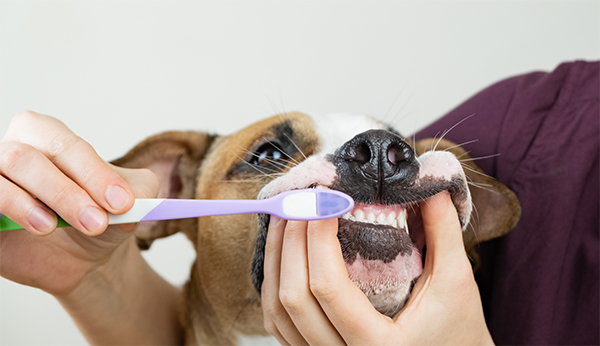
It takes as little as 24 hours after a professional cleaning for bacteria to start accumulating on teeth as plaque. To help keep this in check, the gold standard technique is to brush your dog’s teeth every day with special doggie toothpaste (never use human toothpaste). Brushing mechanically removes plaque from the teeth, leaving them clean and leaving the mouth smelling fresher.
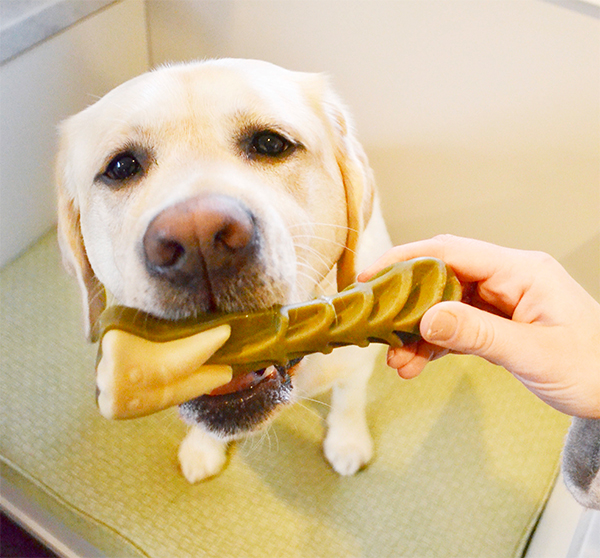
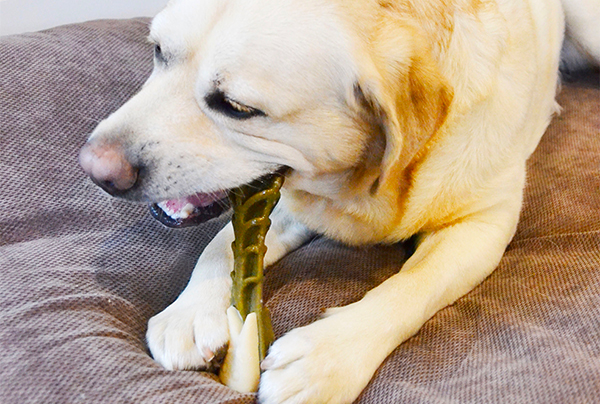
For most pet parents, the thought of brushing their dog’s teeth creates feelings of anxiety and stress. Hence, it’s not surprising that only 2% of dog parents brush their dog’s teeth every day. An easier approach to cleaning your dog’s teeth is to use a scientifically proven dog dental chew like WHIMZEES Dental Treats. These dental treats work like a toothbrush because as a dog chews the treat, the WHIMZEES rubs against the teeth to remove plaque and bacteria. Best of all, designed with ridges, grooves and nubs, WHIMZEES Dental Treats ensure the treat reaches the whole mouth including the back teeth which are usually hardest to reach.
We all know dogs tend to eat some inappropriate things if given a chance such as feces, garbage or other stinky substances. Should this be your dog, ensure their yard is always clean, they are kept on a lead during walks and that they no longer have access to garbage bins. Prevention is the cure on this one!
5. Keep them healthy:
Feeding your dog a high-quality natural, balanced diet and providing them with plenty of water, activity and exercise is key to keeping them in good health. Along with these daily habits, be sure to visit the vet at least once a year to ensure your dog is at an optimal weight and to check for other health problems that could present with bad breath such as diabetes. Should dental disease not be the cause of your dog’s bad breath, the annual checkup can help your veterinarian pick up on the underlying cause of your dog’s bad breath before it gets serious.
Getting a new puppy can be an exciting – and sometimes overwhelming! – experience. But don’t worry. With the right supplies and lots of love, you’ll be the best puppy parent in no time! Below is a list of things your new puppy needs when he comes home to live with his forever family.
Now that you know what your new puppy needs, keep reading to see why he needs them!
1. Quality puppy chow.
Make sure to provide your puppy high-quality food that has the right mix of nutrients specifically formulated for his age, size and development. Wellness Pet Food has an array of yummy wet and dry recipes made just for puppies! Made with premium natural proteins, wholesome whole grains and antioxidants, your puppy will receive the right nutrients he needs as he transitions into adulthood.
2. Puppy treats.
Keep some healthy treats on hand to reward your pup. Try out these Wellness Soft Puppy Bites, which are formulated without meat by-products, corn, wheat, dairy, artificial colors or flavors. They also come in two great flavors that your puppy will love!
3. Identification.
You’ll want an identification tag with your puppy’s name and your current contact information in case of emergency. Also talk to your vet about microchipping, which is a simple and permanent form of ID that can help reunite you with your lost puppy.
4. Water and food bowls.
When looking at water and food bowls, purchase stainless steel, which collects less bacteria.
5. Puppy pads.
When house-training your puppy, arm yourself with some absorbent puppy pads to make the clean-up job easier.
6. Leash
Look for an adjustable leash to hook onto your puppy’s collar for walks around the neighborhood.
7. Crate.
Whether you’re crate training or need a portable crate to transport your puppy, choose the appropriate size to keep him feeling secure. You might need to purchase larger sizes as he grows into adulthood.
8. Collar.
Find an adjustable soft collar that will fit comfortably around your puppy’s neck. You might go through a few collars as his size increases.
9. Bedding.
Keep your puppy warm and snuggly during naptime with soft and comfortable bedding. Make sure it’s easy to throw in the washer to keep smells and accidents at bay.
10. Shampoo.
Find a gentle puppy shampoo to keep your pup clean and smelling fresh. There are an array of products available, so search for the perfect one suited to your dog’s coat.
11. Grooming Brush.
Look for a soft-bristled brush or metal comb for puppies with longer hair to keep his mane tamed and healthy.
12. Ear cleaning solution.
Find a quality ear cleaner to keep your new puppy’s ears clean and healthy.
13. Teeth cleaning supplies.
Find dog safe toothpaste and a toothbrush to get him accustomed to having his teeth cleaned.
14. Dog nail trimmer.
Puppies have sharp nails that grow quickly and need regular trimming. Purchase a quality dog trimmer to prevent scratches and your dog’s nails from cracking and breaking.
15. Puppy gates.
Puppy gates or playpens are a perfect way to let him roam a certain area of your home while keeping him safe when you’re not around.
16. Puppy toys.
Puppies love to play, and playtime is important as your puppy teethes and becomes part of the family. Look for interactive toys so you can join in on the fun!
17. Flea and tick medication.
As your pup explores the great outdoors, keep him safe from pests with flea and tick medication.
18. Enzyme cleaner.
Accidents happen – enzyme cleaners destroy the scent of your puppy’s accidents so he won’t try to use the same spot again.
19. Anti-chew spray.
As you puppy proof your new home, look for a natural spray that will deter him from chewing items you can’t keep out of his reach.
20. Veterinarian.
Your veterinarian will be able to address your concerns, while keeping your puppy up-to-date on vaccinations.
When preparing for your new pup, remember to keep him looking and feeling his best with quality chow from Wellness Pet Food. When you give your puppy Wellness Pet Food, you can be sure that your puppy will receive the best nutrition to fit his growing needs, since our food and treats are made with natural ingredients and crafted with your pet’s wellbeing at heart.
Puppies grow quickly, building muscles and bones, developing organs and strengthening vital systems such as their immunity and brain function. During this physical development they are facing important first-time encounters with food and experiences. With so much going on, it’s not uncommon for a new pup to occasionally get a mild upset tummy. Signs of a sensitive stomach in a puppy can include indigestion, diarrhea or loose stools, constipation, excessive gassiness and vomiting.
First, ensure there is no serious health issue with your puppy by talking to your veterinarian. If not, there are many things you can do to improve your puppy’s sensitive stomach, including finding a puppy food for sensitive stomachs. Below are our Top 10 tips for puppies that show signs of a sensitive stomach:
1. Don’t rush into a new puppy food, yet:
With a new puppy at home, some initial stomach upset can be normal. A puppy’s first few days at their new home can be stressful, leading to loose stools for 1-3 days. To help ease them into their new home, it’s best to continue feeding what the breeder or shelter gave you for the first week. Ensure that your pup has plenty of water and rest.
Once your pup starts to get settled you can gradually transition them to a new food. I recommend our Wellness Complete Health for Puppies recipe for a wholesome option with grains, or our Wellness CORE Puppy grain-free dry formula for puppies with very active lifestyles. Each of these options are made with high-quality, natural ingredients.
2. Avoid overfeeding your puppy:
Depending on the breed and age of your puppy, their stomach can range from the size of a chestnut to a tennis ball—both are rather small.
That said, it’s important to ensure you’re not overfeeding your new pup which can lead to stomach upset. A high-quality, meat-based food will be nutrient-rich so you can feed less to suit their unique needs and stomach size, but it is key to check the recommended feeding amounts. These change as a puppy grows so make sure to always turn the bag over and check the exact amount to feed your pup.
3. Avoid giving table scraps:
We all know and love those puppy dog eyes, but it’s important to resist giving them food off your plate. Even giving them a small piece or two of what you are eating can easily cause an intestinal upset in your puppy from the sudden difference in nutrition. For example, giving your puppy a single piece of bacon is comparable calorie-wise to a human eating 13 pieces of bacon!
4. Give healthy treats in moderation
Owning a new puppy means lots of training to ensure good manners as well as fun tricks you both can perform together! The role of positive reinforcement training is fundamental and offering treats is an easy, effective reward. Remember, though, puppy treats should be the same high-quality as their food. Avoid high-fat sausages or strips, inferior quality ingredients and high levels of salt, all of which can cause stomach upset in puppies.
Instead, use a healthy puppy treat like Wellness Puppy Bites Soft Lamb & Salmon. Wellness Puppy Bites contain DHA for puppies’ brain development and contain no meat by-products, corn, wheat, dairy, artificial colors or flavors which could contribute to a sensitive stomach. These super-moist treats can even be cut or ripped so you don’t overfeed while training.
5. Avoid a hard transition between puppy foods:
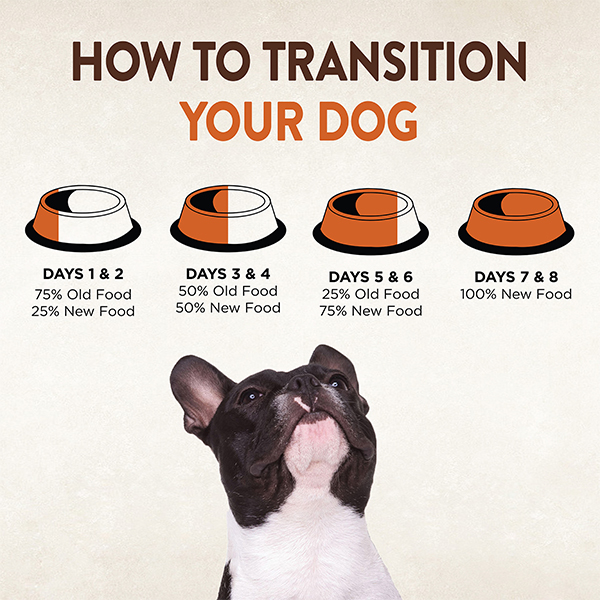
In a pup’s first year you may experiment with different foods. Whilst it’s vital to ensure your pup is eating high-quality nutrition, you must introduce all foods gradually over at least 4-7 days, longer than the recommendation for adult dogs (3-4 days). Your puppy’s intestinal tract is still developing. Prevent diarrhea by slowly mixing your pup’s new food into their existing diet, subtracting a little more of the old food each day.
6. Support their microflora:
Your puppy’s diet and environment have an impact on the trillions of good and bad bacteria that live in their intestinal tract. Puppies usually maintain a healthy balance of bacteria; however, in cases where a pup eats spoiled leftovers in the trash or has periods of significant stress, bad gut bacteria can increase, leading to an upset stomach. To help improve your pup’s gut health, choose a puppy food rich in prebiotics and guaranteed probiotics.
Not many puppy foods have guaranteed levels of probiotics, so it’s important to check the 보장된 분석 on the back of your puppy’s food bag. Wellness dry recipes for puppies have guaranteed levels of probiotics to support gut health, including Lactobacillus plantarum, Enterococcus faecium, Lactobacillus casei and Lactobacillus acidophilus in equal amounts. Our Wellness dry food recipes for puppies also include a prebiotic, Chicory Root Extract.
7. Manage their stress:
One of the most common, least suspected causes of diarrhea in puppies is stress. To a new puppy that first car trip, day out at the dog park or trip to the veterinarian can cause anxiety and worry that may present as loose stools. Help them acclimate gradually—keep car rides short, pick a slow time at the dog park and make sure they get plenty of positive reinforcement whilst at the vet. This will give your pup confidence and reduce stress.
When teething, puppies love to ease discomfort by chewing and can accidentally get a hold of household items or clothing. If your pup has serious vomiting or diarrhea, it’s possible that something is stuck in their intestinal tract. If you suspect your puppy got into something and may have a blockage, you should immediately bring your pup to the veterinarian.
9. Investigate the possibility of a food allergy:
New pet parents often suspect a food allergy is the culprit of their pup’s upset tummy. Although dogs can have allergic responses, the true number of dogs diagnosed with food allergies is quite small. Common food allergies for dogs are chicken, beef, dairy products, corn and wheat. Allergies trigger an immediate immune response, can develop at any age and can start even if the dog has been eating the same food consistently without a previous allergy. Symptoms include upset stomach, itchy skin and hair loss. Although you’ll need to have a veterinarian diagnose your pup’s allergies, switching them to a limited ingredient or natural diet with high-quality ingredients may help your pup feel better. All Wellness recipes are made with high-quality ingredients and do not contain corn, wheat or soy, or artificial flavors, colors or preservatives.
10. Investigate possibility of a food sensitivity:
Like food allergies, food sensitivities can cause itchy skin and hair loss, but symptom onset will often be more gradual and doesn’t involve an immune system response. Food sensitivities in puppies can be caused by individual ingredients or could occur when a puppy food’s macro nutrients (either carbohydrates or fats) are included in excess. Symptoms in food sensitive pups can often be resolved by moving them to a high-quality, natural, balanced diet that has the right balance of macro nutrients (and no fillers) and avoids common food ingredients that dogs are known to react to.
The technical storage or access is strictly necessary for the legitimate purpose of enabling the use of a specific service explicitly requested by the subscriber or user, or for the sole purpose of carrying out the transmission of a communication over an electronic communications network.
Preferences
The technical storage or access is necessary for the legitimate purpose of storing preferences that are not requested by the subscriber or user.
Statistics
The technical storage or access that is used exclusively for statistical purposes.The technical storage or access that is used exclusively for anonymous statistical purposes. Without a subpoena, voluntary compliance on the part of your Internet Service Provider, or additional records from a third party, information stored or retrieved for this purpose alone cannot usually be used to identify you.
Marketing
The technical storage or access is required to create user profiles to send advertising, or to track the user on a website or across several websites for similar marketing purposes.