


Image

Tips for Caring for Senior Pets

Senior Pets

Cats may have nine lives, and our pooches may live their life a little more quickly in dog years, but there is no softer spot in our hearts than that held by our beloved senior pets. November is all about senior pets, making it the perfect opportunity for sending some love to our older pet companions! Here are six must-know tips for caring for senior pets.

1.    The Regular Checkup

From puppy- or kittenhood to senior years, the annual examination is an important part of pet health, most important in your pet’s mature years. It’s a common thought that seven of a dog’s years are comparable to one year of human life, but in fact that formula is a little more complex.

The American Veterinary Association explains that 15 human years equals the first year of a medium-sized dog’s life, the second year for a dog equals about nine years for a human, and every year after that equates to approximately five years for a dog. And because pet’s years are not the same as humans, it’s all the more important to make sure to keep the regular checkup, each and every year. Let’s put it this way; it’s like your 75-year-old grandmother not going to the doctor for five years! 

2.    Good Teeth, Long Life

For almost every type of animal (humans included), the condition of the teeth can be a powerful indicator of the overall condition of the body, and daily dental care and regular dental checkups can prevent the creation of problems elsewhere in the body. For dogs and cats, ignoring the teeth can cause a buildup of tartar and bacteria, bacteria that can travel through the bloodstream and cause problems in other parts of the body, including the heart, liver and kidneys.

Regular brushing with veterinarian approved toothpaste and pet-friendly toothbrush as well as annual professional cleaning can do wonders for your pet’s overall health. And when choosing toys and treats for your pets, select options made for promoting good dental health.

3.    Let’s Get Physical

Science tells us that an object in motion stays in motion, and symbolically speaking, pets that keep movement in their lives will keep moving longer. As pets age, their energy can wane, but this is not the time to let them become couch potatoes. Just like humans, as pets age, metabolism and energy decline, making the body susceptible to weight gain and even obesity, as well as a score of other health problems, including diabetes and even mental health issues like depression.

Regular exercise promotes a healthier waistline and a better outlook, for both you and your pet! Plan a time daily to take your dog for a walk or play indoors with your cat. It’s important to keep moving as pets age into their senior years. This alone can add precious time to their lives!

4.    You Are What You Eat

If you ate fast food cheeseburgers and French fries every day, how would your body respond? Now imagine doing that for years. In what state would your organs be? What would your waistline look like? The same can be said for your pet’s diet. If their food is full of less-than-quality ingredients and meaningless fillers, what part is it really playing in their nourishment and overall health? Choosing the right food for your pet is important their whole lives, but especially in their senior years.

Wholesome, thoughtful ingredients make all the difference, and making sure your pet is receiving those ingredients in a tasty way assures good eating habits as well! If you don’t already know what’s in your pet’s food, give the ingredient list a once-over. Then switch to something better!

5.    The Better to See You With, The Better to Hear You With

Often the first signs of aging in our pets are changes to their vision and/or hearing. Many pets develop cataracts or dwindling vision loss in their later years, and many lose some if not all of their hearing. It’s important to recognize the signs of these issues and take the proper precautions to ensure your pet’s safety and comfort.

A few suggestions:
•    Make sure there is clear path to food and water.

•    Create an environment that makes it easy for your to pet to go outside to relieve himself, or make it easy for him to alert you that he needs to go.

•    Always keep your pet on a leash when outdoors; he may not hear or see dangers as they approach.

•    Talk with your veterinarian about any supplements or treatments that may offer benefits for hearing or vision loss.

6.    Patience is a Virtue

Senior pets require a little more love and attention than their younger counterparts, and thankfully we love them and want to make their lives safe, comfortable, healthy, and happy in their golden years. Sometimes they are going to move a little slower, or perhaps have an accident when they haven’t gone in the house since the puppy years.

These are the moments for patience and remembering our roles as caretakers. It’s up to use to make sure we are doing everything we can to provide a safe, loving environment. It’s up to use as pet owners to prepare for the challenges and meet them with kindness.

We love senior pets at Wellness Pet Food, and we’re proud to create wholesome, nourishing food that can promote longer, happier lives for dogs and cats everywhere. In fact, we offer food specifically made for senior pets. Find out more now!
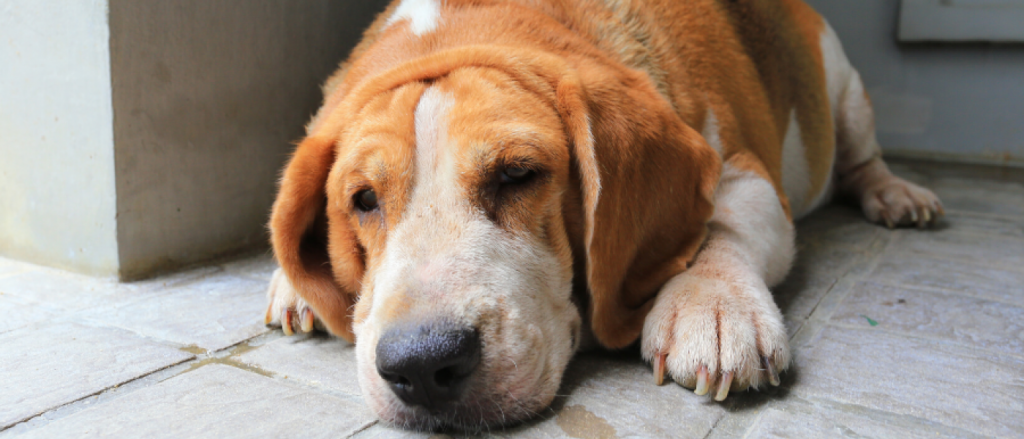
 

7 Signs of Diabetes in Dogs

dog

November is Pet Diabetes Month, and it’s important that dog owners everywhere take a moment to recognize the seven symptoms of diabetes in dogs.

What is Diabetes?

Diabetes is a condition that happens when glucose, a type of sugar and the main source of energy for the body, does not break down as it should. Glucose levels are mainly controlled by insulin, a hormone that is made by the pancreas. When someone (person or dog) has diabetes, there is not enough glucose, and what results is a sort of metabolic starvation that triggers the body to break down fat and muscle tissue, which the liver converts into sugar. 

Who’s at Risk?

While diabetes in dogs can occur at any age, they are typically diagnosed between 7-10 years of age, and for whatever reason, it occurs in female dogs two times as much as male dogs. Certain breeds are also at risk including: Poodles, Bichons Frises, Pugs, Dachshunds, Miniature Schnauzers, Puli, Samoyeds, Keeshonds, Australian Terriers, Fox Terriers, Cairn Terriers, and Beagles. However, obesity is one of the most common risk factors.

Of course, as with any disease, condition or disorder, earlier detection is always better, so it’s important to know the signs of diabetes in your dog. If left untreated, it can lead to dehydration, cataracts, malnutrition, increasing weakness in the legs (neuropathy), ketoacidosis, and death. But how do you know if your dog has diabetes?

Recognize the Symptoms 

•    Excessive Thirst – Is your dog suddenly showing a new interest in his water bowl, perhaps you notice after refilling his water bowl much more often than before?

•    Increased Urination – Your once three-daily-walks dog is suddenly going to the door like never before, or perhaps has even had several accidents in the house when he hasn’t done since before he was housebroken.

•    Weight Loss – As described above, diabetes can cause a breakdown of fat and muscle tissue, resulting in sometimes rapid weight loss. This might be something you notice with a loose collar or feeling bones (like the backbone) that previously weren’t quite so prominent.

•    Decreased Appetite – Any appetite change in dogs is a sign that something is wrong, from something as simple as just having a stomachache to something far more serious. 

•    Cloudy Eyes – If you notice your pup’s eyes look cloudy, bring this to the quick attention of your vet.

•    Change in Skin/Hair – A once shiny coat has gone dull, or you notice that your dog has developed dandruff. A change in skin and/or coat can indicate an underlying cause.

•    Depression – If your dog who normally greets you at the door, leash in mouth, barely lifts their head from the couch in greeting when you arrive home, this can be an indicator of a health concern, like diabetes.

If your dog is showing any of these signs, or you can tell something is off but can’t pinpoint exactly what, give your veterinarian a call and schedule a few tests. The earlier diabetes is diagnosed, the quicker a plan can be developed for treatment and management, giving your dog the best chance for many happy years ahead. 

Obesity plays a large role in the development of diabetes, so make smart diet choices for your pet. Find a Wellness Pet Food diet works best for your pet!


Wellness Pet Food is Compliant with WSAVA Pet Food Recommendations

Wellness Natural Pet Food WSAVA Approved

What is WSAVA?

WSAVA, or the World Small Animal Veterinary Association, is comprised of over 200,000 veterinarians across 113 member associations. This association advances the health and welfare of companion animals through building an educated and collaborative global community of veterinary peers.
As one of its activities, WSAVA encourages its veterinarians and pet parents to be mindful of the food they feed their pets, as well have a general understanding of the company that makes their pet food by asking several questions.

The WSAVA Global Nutrition Council provides clear recommendations for selecting pet foods:

  1. Employ a qualified nutritionist with PHD in animal nutrition
  2. Formulated to AAFCO recommendations
  3. Undertaken AAFCO feeding trials
  4. Produced in USA
  5. Strict quality controls in place
  6. All dry recipes complete and balanced to life stage
  7. Nutrient analysis available for recipes on website
  8. Extensive product research undertaken

Now that you know what the necessary requirements are for a pet food brand to be considered WSAVA compliant, we’ll walk you through how each requirement is evaluated, and how Wellness Pet Food meets those requirements:

    1. Do you employ a full-time qualified nutritionist? Who formulates your foods and what are his/her credentials? We have worked very closely with a Ph.D. Animal Nutritionist who either formulates or reviews our diets. He has spent more than 25 years formulating diets for dogs and cats and our relationship with him goes back more than fifteen years. In addition, he has published numerous peer-reviewed articles on dog and cat nutrition in scientific journals including the Journal of Nutrition and the British Journal of Nutrition.


    1. Are your recipes formulated to AAFCO recommendations? Our diets are 100% complete and balanced and are formulated to meet the nutritional levels established by the Association of American Feed Control Officials (AAFCO) based on Nutrient Profiles, unless otherwise stated on the label. 
    2. Have your diets undertaken AAFCO feeding trials? Yes, our diets have undertaken AAFCO feeding trials.


    1. Where are your foods produced and manufactured? Our diets are produced at a combination of our own plants and co-manufacturing partners. Our WellPet Operations plant is located in Mishawaka, IN and our Farm Fresh Kitchen plant is located is South St. Paul, MN. Based on the products, we are happy to share who makes our products and where they are located. Please call or email our dedicated Consumer Affairs Team for additional details. We are available via phone at (800) 225-0904 or via email at info@wellpet.com M-F | 8-5 ET.


    1. Do you have strict quality controls in place? At Wellness, we are committed to the highest standards of pet food safety. Our highest priority is providing you and your animal companions with consistently safe, premium-quality natural food for dogs and cats.

      Our Quality Assurance program maintains the strictest standards of food safety in the pet food business, one that exceeds Food and Drug Administration (FDA) and Association of American Feed Control Officials (AAFCO) standards for pet food. At every stage of every process, Wellness controls quality. We are known for active management of manufacturing. We develop our own unique formulas with premium ingredients through detailed sourcing and nutritional analysis. We conduct comprehensive audits of our procedures.

      Our Quality Assurance program does not only encompass our manufacturing operation and final product inspections, but starts from the time we select the finest and freshest ingredients, making absolutely sure WellPet products continue to be healthy and safe for your dog or cat. We follow the same strict guidelines for pet food that are applied to food for people. We do so by requiring that each of our suppliers utilize the HACCP (Hazard Analysis Critical Control Points) program, adhering to even more stringent food safety criteria than required for pet food.

      Our manufacturing partners say we are THE hardest to please – this is because, like you, we won’t compromise on your pet’s health. We are “passionately picky” and promise that “Your pet’s wellbeing is at the heart of all we do, that’s why we do whatever it takes to make the healthiest natural products for the pets that depend on us.”

    2. Are all dry recipes complete and balanced to life stage?Yes, our diets are 100% complete and balanced and are formulated to meet the nutritional levels established by the Association of American Feed Control Officials (AAFCO).


    1. Are Nutrient Profiles available? Yes, Nutrient Profiles are available for download on our Wellness product pages?


    1. What is the caloric value of your food? Our kcal values are per 8.0 oz. cup (dry) or per can (wet). Kcal’s are on the majority of our labels and our product pages. If in doubt, please don’t hesitate to call or email our dedicated Consumer Affairs Team for additional details. We are available via phone at (800) 225-0904 or via email at info@wellpet.com M-F | 8-5 ET.


  1. What kind of research has been conducted? As the results published in peer-reviewed journals? Before our diets are commercialized we ensure that they meet high standards for digestibility, starch gelatinization, stool performance, palatability and urine pH for cats diets. We have also conducted research focused on protein digestibility, blood glucose response and weight loss. None of the research was conducted with the intent of publishing, yet the intent was and is to ensure that we provide diets that perform to our high standards.

Complete List of 2020 Pet Holidays

Maybe you’re the kind that creates a special bone cake for your pup’s birthday each year, or perhaps your beloved cat has her own stocking that’s hung by the chimney with care each year. No matter the holiday, there is always a reason to remember how much our canine and feline companions mean to us. We love our pets all year long, and with this handy calendar, you can find a reason to celebrate your furry friends most any day of the year!

Pet Holidays for January 2020

•    Walk Your Pet Month
•    National Train Your Dog Month
•    Unchain a Dog Month
•    January 2: National Pet Travel Safety Day
•    January 2: Happy Mew Year for Cat’s Day
•    January 14: National Dress Up Your Pet Day
•    January 22: National Answer Your Cat’s Question Day
•    January 23: World Spay Day
•    January 24: Change a Pet’s Life Day
•    January 29: Seeing-Eye Guide Dog Anniversary

Pet Holidays for February 2020

•    Pet Dental Health Month
•    Dog Training Education Month
•    National Cat Health Month
•    Responsible Pet Owners Month
•    Spay / Neuter Awareness Month (AKA Beat the Heat Month)
•    Pet Dental Health Month
•    February 7-14: Have a Heart for Chained Dogs Week
•    February 11–12: Westminster Kennel Club Dog Show
•    February 14: Pet Theft Awareness Day
•    February 20: Love Your Pet Day
•    February 22: National Walk Your Dog Day
•    February 23: International Dog Biscuit Appreciation Day
•    February 25: Spay Day USA / World Spay Day

Pet Holidays for March 2020

•    Poison Prevention Awareness Month
•    March 3: It Pets Had Thumbs Day
•    March 9-13: Professional Pet Sitters Week
•    March 13: K-9 Veteran’s Day
•    March 16-22: National Poison Prevention Week
•    March 23: National Puppy Day; Cuddly Kitten Day
•    March 28: Respect Your Cat Day
•    March 30: Take a Walk in the Park Day

Pet Holidays for April 2020

•    Heartworm Awareness Month
•    National Adopt a Greyhound Month
•    National Pet First Aid Awareness Month
•    Prevent Lyme Disease in Dogs Month
•    Prevention of Cruelty to Animals Month
•    April 1–7: International Pooper Scooper Week
•    April 1–7: National Raw Feeding Week
•    April 6: National Siamese Cat Day
•    April 6-10: National Dog Bite Prevention Week
•    April 8: National Dog Fighting Awareness Day
•    April 10: National Hug Your Dog Day
•    April 11: National Pet Day
•    April 11: Dog Therapy Appreciation Day
•    April 17-23: National Pet ID Week
•    April 18: Pet Owners Independence Day
•    April 21: Bulldogs Are Beautiful Day
•    April 23: National Lost Dog Awareness Day
•    April 25: International Guide Dog Day
•    April 26: National Kids and Pets Day
•    April 26: Hairball Awareness Day
•    April 27: World Veterinary Day
•    April 28: National Pet Parents Day
•    April 30: National Tabby Day
•    April 30: Adopt a Shelter Pet Day
•    April 30: National Therapy Animal Day

Pet Holidays for May 2020

•    Chip Your Pet Month
•    Pet Cancer Awareness Month
•    National Pet Month
•    Responsible Animal Guardian Month
•    National Service Dog Eye Examination Month
•    Lyme Disease Prevention Month
•    May 1: National Purebred Dog Day
•    May 3: National Specially-abled Pets Day
•    May 3–9: National Pet Week
•    May 3–9: Be Kind to Animals Week
•    May 3: Mayday for Mutts
•    May 4–10: Puppy Mill Action Week
•    May 11: National Animal Disaster Preparedness Day
•    May 14: International Chihuahua Appreciation Day
•    May 30: International Hug Your Cat Day

Pet Holidays for June 2020

•    Adopt a Cat Month (AH) / Adopt a Shelter Cat Month (ASPCA)
•    National Pet Preparedness Month
•    National Microchipping Month
•    June 1–7: Pet Appreciation Week
•    June 4: Hug Your Cat day
•    June 8: National Best Friends Day
•    June 9: World Pet Memorial Day
•    June 22–28: Take Your Pet to Work Week®
•    June 17: Take Your Cat to Work Day™
•    June 19: National Garfield the Cat Day
•    June 26: Take Your Dog to Work Day®
•    June 21: Dog Party Day
•    June 24: Cat World Domination Day  

Pet Holidays for July 2020

•    Dog House Repair Month
•    National Lost Pet Prevention Month
•    National Pet Hydration Awareness Month
•    July 1: ID Your Pet Day
•    July 5: Pet Remembrance Day
•    July 11: All-American Pet Photo Day
•    July 15: National Pet Fire Safety Day
•    July 21: National Craft Your Local Shelters Day
•    July 21: No Pet Store Puppies Day
•    July 31: National Mutt Day

Pet Holidays for August 2020

•    National Immunization Awareness Month
•    August 1: DOGust Universal Birthday for Shelter Dogs
•    August 2–8: International Assistance Dog Week
•    August 5: Work Like a Dog Day
•    August 8: International Cat Day
•    August 10: Spoil Your Dog Day
•    August 15: National Check the Chip Day
•    August 17: National Black Cat Appreciation Day
•    August 17: International Homeless Animals Day
•    August 22: National Take Your Cat to the Vet Day
•    August 26: National Dog Day
•    August 28: Rainbow Bridge Remembrance Day
•    August 30: National Holistic Pet Day

Pet Holidays for September 2020

•    Happy Healthy Cat Month
•    Guide / Service Dogs Month
•    National Pet Insurance Month
•    Animal Pain Awareness Month
•    Responsible Dog Ownership Month
•    Pet Sitter Education Month
•    September 1: Ginger Cat Appreciation Day
•    September 13: National Pet Memorial Day
•    September 13: National Hug Your Hound Day
•    September 21–27: Adopt a Less-Adoptable Week
•    September 19: Puppy Mill Awareness Day
•    September 19: Responsible Dog Ownership Day
•    September 20-26: National Dog Week
•    September 20-26: Deaf Pet Awareness Week
•    September 23: Dogs in Politics Day
•    September 28: World Rabies Day

Pet Holidays for October 2020

•    National Animal Safety and Protection Month
•    Adopt a Dog Month (AH) / Adopt a Shelter Dog Month (ASPCA)
•    National Pet Wellness Month
•    National Pitbull Awareness Month
•    October 1: National Fire Pup Day
•    October 1: National Black Dog Day
•    October 1–6: National Walk Your Dog Week
•    October 1-6: Animal Welfare Wek
•    October 4: World Animal Day
•    October 4: World Pets Day
•    October 9: Pet Obesity Awareness Day
•    October 16: National Feral Cat Day
•    October 19-23: Veterinary Technician Week
•    October 26: National Pit Bull Awareness Day
•    October 27: National Black Cat Day (UK)
•    October 29: National Cat Day

Pet Holidays for November 2020

•    Adopt a Senior Pet Month
•    National Senior Pet Month
•    Pet Diabetes Month
•    Pet Cancer Awareness Month (AVMA)
•    November 1: National Cook for Your Pets Day
•    November 2-6: National Animal Shelter and Rescue Appreciation Week
•    November 7: National Canine Lymphoma Awareness Day
•    November 17: National Black Cat Day (US)

Pet Holidays for December 2020

•    National Cat Lovers’ Month
•    December 2: National Mutt Day
•    December 15: National Cat Herder’s Day


We’re always looking for an excuse to celebrate our favorite pets and yours! Explore all the Wellness Pet Food treats for cats and dogs here!

3 Reasons to Recycle for Your Pet (And Inspire Others to Do the Same!)

Every November 15 marks America Recycles Day, the holiday created by Keep America Beautiful to celebrate recycling with education, events and activities. An annual opportunity to observe ways we can reduce our impacts and motivate others to do their part, it’s also a time to create new habits we can use to live greener every day. 

What does this have to do with our pets? Protecting the planet helps our communities and families, which pets are very much a part of!

Here are some reasons to recycle for your furry family members:

1. It lightens their pawprint

Because domesticated animals are kept (by us, their humans) outside of nature’s regenerative, circular system, the food they eat and the waste they create is not readily renewed or absorbed. Knowing this, it is up to us to make better choices and actively offset our pets’ impacts to make them friendlier to the planet. 

One way to lighten their pawprint is to recycle the products and packaging produced by keeping them fed and healthy. Wellness Natural Pet Food makes it easy for pet owners to recycle flexible plastics packaging for free through their network of local recycling solutions, powered by TerraCycle. Just visit the Wellness Pet Food Recycling Program page on TerraCycle.com and search your zip code on the map to find the drop-off point nearest you.  

2. It can help other animals

Another positive aspect of recycling through TerraCycle’s national recycling programs is the more you recycle, the more points you can earn in exchange for a cash donation to your favorite environmental nonprofit or pet charity. These are funds you can give to an organization dedicated to rescuing shelter dogs, protecting the natural habitats of wild cats, or fighting against animal abuse.

Recycling through TerraCycle or through your municipal program also helps to save natural resources and keep materials from turning to trash, which in turn can prevent deforestation and reduce ocean pollution. Earth911 is a great resource to see how you can recycle curbside

3. This is their home  

Our pets bring us comfort, companionship and joy, but it is not only for these reasons we should protect the environment in which they eat, sleep, and play. When we don’t recycle, misplaced items can contaminate our water and food, leaching chemicals into the ground and water, imposing increased risks to humans, pets, and public health. Take care to properly manage the world’s resources to make a positive impact and inspire other pet parents to do the same. 

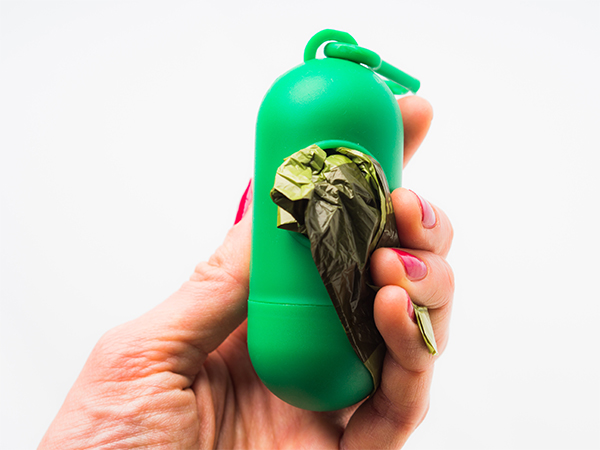
For walks with your pal, opt for poop bags made of compostable, plant-based material instead of the conventional oil-based plastic, which some experts say are more likely to break down over time. Cat litter made from natural materials, such as wood, can be composted with the proper precautions, and upcycling toys and accessories out of stuff you already have diverts discarded items from landfills and turns them into fun, new playthings your pet will love.

Our pets, like all animals, are at home on earth, just as we are. Saving valuable material from becoming trash through recycling prevents pollution and the need to mine the environment for resources. We only get one planet. It is up to all of us to take care of it for future generations of people, animals, and plants, and do the work to make it a better place for living things today.

From all of us at TerraCycle: Have a PAWsome America Recycles Day!

9 Reasons We Love Rescue Pets

“Adopt, Don’t Shop!” You’ve certainly heard that catchphrase for the pet adoption movement that continues to make headway with every year. And at Wellness, we couldn’t agree more; we think every pet is special! November 3-9 is National Animal Shelter and Rescue Appreciation Week, and this year we want to take a moment to recognize the reasons we love rescue pets. 

1.    They Usually Have a Good Story

That scruffy, half-chihuahua, half-some kind of terrier dog that has one eye and a heart of gold? She’s got a great story, some of which you may never even know. But many rescue dogs come with a backstory worth telling, for better or for worse. This dog survived a hurricane but lost his family along the way, this dog was found twenty miles into the desert with a mouthful of cactus spikes and no water for days. Whatever your rescue dog’s story, you can rest assured that one of the best chapters in her book is the one where you brought her home to rest, heal, and spend the rest of her story being loved and appreciated.

2.    The Adoration is So Mutual

No one loves you like your dog. No one. There is no one else who is going to literally sit at the front door while you are gone and count the seconds until you return, even if only just to be in the same room as you. Whatever love and time you put into your relationship with your dog, they will return that adoration tenfold. And rescue dogs? They know who changed their world: you. And they won’t let you forget it! 

3.    A Life: Saved

Animal shelters around the country are regularly overpopulated, and the unfortunate truth of that is that many perfectly adoptable pets are euthanized each day because there is simply not enough room. If you rescue a dog or a cat, you have just saved a life. Think about that for a moment. This is your opportunity to truly save a life. Why not seize this chance?

4.    Here’s to Your Health and Theirs

Studies have proven time and time again that pets are a powerful antidepressant for people, that homes with dogs and/or cats are happier all around. There is even a direct link between pet ownership and better health. So why wouldn’t you have pet? And why not make that a pet that needs you, too?

5.    You’re Fighting Puppy Mills

No matter how adorable that little bundle of canine fur may be on an online ad or in a store, there is a good chance that he came from a puppy mill. So many “designer pets” today are bred in backyard breeding factories that encourage animal abuse and neglect in horrific conditions. If you rescue a dog from a shelter, that’s one more puppy mill purchase that didn’t happen. And if it happens enough? Puppy mills can’t stay in business. That’s a long road to travel, but at least you can make a small step towards that greater cause. Join the Wellness Foundation’s movement and help support Best Friends Animal Society mission to make all shelters no kill.

6.    Discounts for Days

Have you purchased a purebred lately? Yikes! The price for clean genes is steep! There’s certainly nothing wrong with purebreds (we love them too!), but a pooch or kitty from an animal shelter will cost you a fraction of the cost. In fact, many shelters often have adoption specials, offering even greater discounts on adoption fees or free vaccinations, spays or neuters. And luckily a discounted price doesn’t mean a discounted pet ownership experience.

7.    Lifelong Friend

The nighttime guard, the kid entertainer, the dinner taster, the exercise partner, the confidante, the friend. Pets come into our lives, and though they may go quicker than we are ever ready, they are our true friends for their entire lives. Rescuing a pet is giving yourself the gift of a lifelong friend, for you both.

8.    Up Your Social Game

Need an excuse to leave the house? Want a way to meet people? Or maybe your Instagram feed just needs a little boost. Pets have a way of majorly upping your social game, getting you out of your comfort zone and encouraging you to get out there and be social. Want-to-be-extrovert? Rescue a dog and be amazed at how many people you can meet at the dog park or at dog-friendly Saturday brunch. Introvert but still love making friends online? We imagine that pic of you and your newly adopted cat will get you more than a few likes.

9.    You’re Doing a Good Thing

At the end of the day, it comes down to this: adopting a pet is giving you the chance to do a really good thing. There are so many animals in this world that need a home, and when you make the choice to adopt rather than shop, you’re saving a life, providing a home and doing the right thing. We’re proud of you, and you should be too. Now go adopt that pet!

Wellness CORE Bestie Bars are the best way to show your new rescue dog or cat just how much you really care, by offering wholesome, nutritious food in their bowl each and every day.


Why Black Cats Make the Best Pets

National Black Cat Day is October 27. The reason we need such special recognition days is because black cats have been so misunderstood and maligned throughout history. So, on this day, here’s a chance to think about some of the ways in which black cats make the best pets. It’s a chance to educate and spread the word about how wonderful black cats are.

Here are just eight reasons to get you started. (In reality though, there are countless reasons!)

1.Let’s start with the absolute outward beauty of the coat. Black cats look sophisticated. If the cat is kept healthy and fed excellent quality food, the black coat should be sleek, shiny and simply gorgeous. A black cat always looks as if they are ready for a formal night out on the town.

2.    In addition to the black cat’s elegance, they also look like a little panther gracefully roaming around. It’s as if you have a little piece of the wild in your home. A black cat walking or running through the house is the picture of grace, stealth, mystery and beauty.

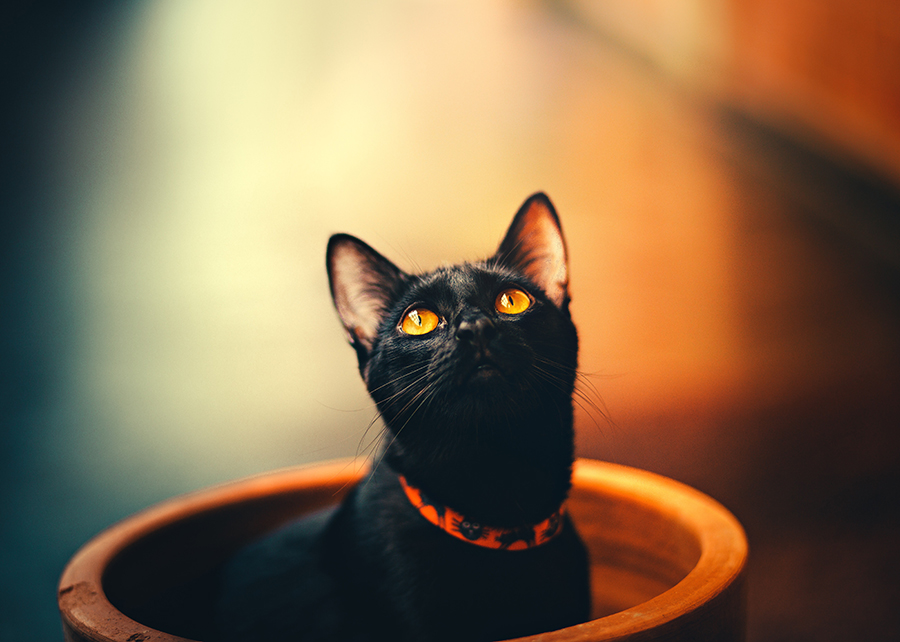
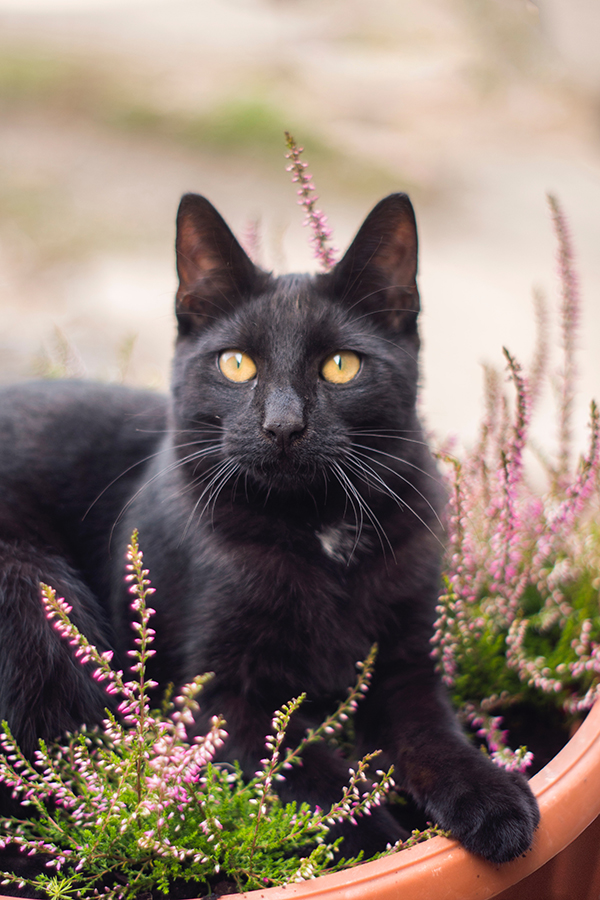
3.    The expressive eyes of a black cat are striking against the black fur. The amount of melanin is what gives the black cat’s eyes a golden color. Some black cats have green eyes as well. Those beautiful eyes are perfectly framed by the sleek, black fur. When a black cat is looking at you, it’s hard to resist the expression in those magnificently highlighted eyes.

4.    Research suggests that the genetic mutation in black cats may help make them more resistant to certain illnesses, such as feline immunodeficiency virus.

5.    Black cats have long endured cruelty and horrible misconceptions due to myths and superstitions. For so many years, countless black cats have also been passed over in terms of adoption due to inaccurate beliefs. Black cats are no different than any other cat. By adopting a black cat you have the opportunity to help put an end to misconceptions. Friends and family who may view black cats negatively will visit your home and see for themselves how wrong they have been in their attitude toward these beautiful and loving felines.

6.    Black cats are almost always available at shelters. Imagine, being able to adopt such a gorgeous cat for a nominal fee. Such beauty awaits you at your local shelter. Though many uninformed people may pass by the black cat due to misconceptions, you can truly be the lucky one who gives a forever home to a cat so deserving. 

7.    Your black cat will help you become a much better photographer. It takes a little more skill to capture the facial features of a black cat. You need to pay attention to lighting and background. If you make sure there’s adequate lighting across the face (don’t use a flash), you can capture those magnificent eyes as well as the delicate outlines of the nose and mouth. Proper lighting will also highlight the sleekness of the stunning black coat. Some of the most beautiful pictures I’ve ever seen are of black cats. 

8.    While black cats have been maligned, they have also been viewed as good luck in many parts of the world. In many countries, a black cat is considered good luck. In Japan, if a single woman owns a black cat, it’s believed to increase the number of her romantic interests. England and Scotland also view black cats as good luck. In Russia, all cats are considered good luck. So instead of believing in bad luck, choose to believe the good fortune that black cats are known for.

The bottom line is that by believing black cats bring bad luck or that they are associated with evil, everyone loses – the cats and the people who miss out on experiencing the love they offer. Black cats make the best pets, just as any cat makes the best pet because you and your cat get to experience love and a special bond.

Keep your cat’s black coat looking its best with Wellness CORE RawRev food. A diet with higher protein promotes shiny fur and healthy skin, along with stronger, leaner muscle! 


Wellness Global Service Day

day of service

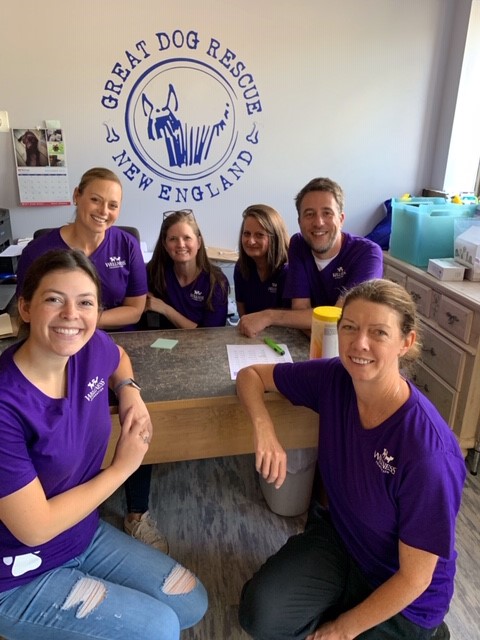
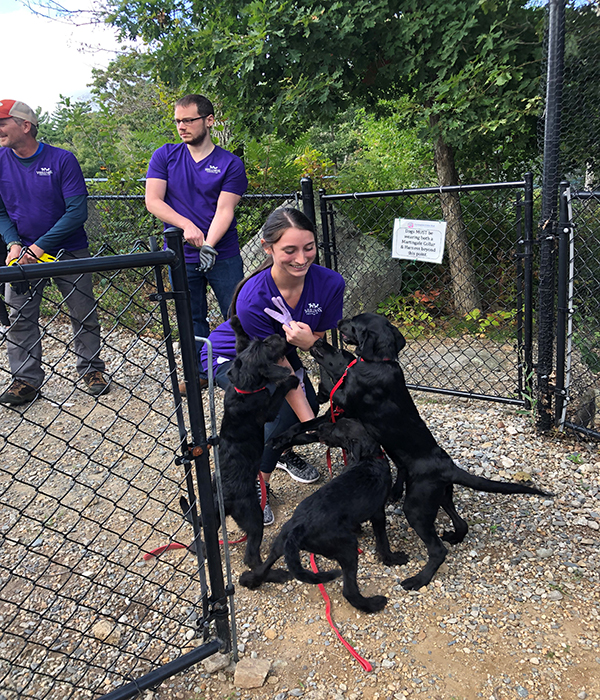
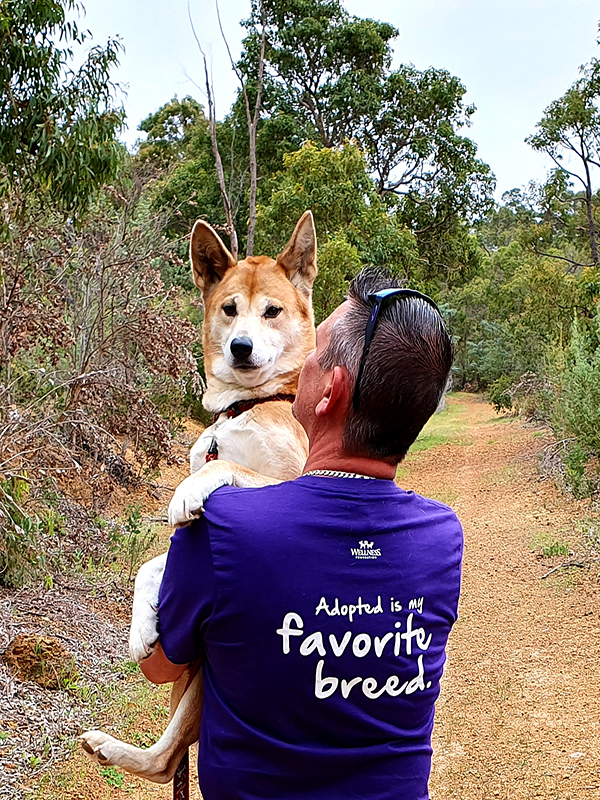
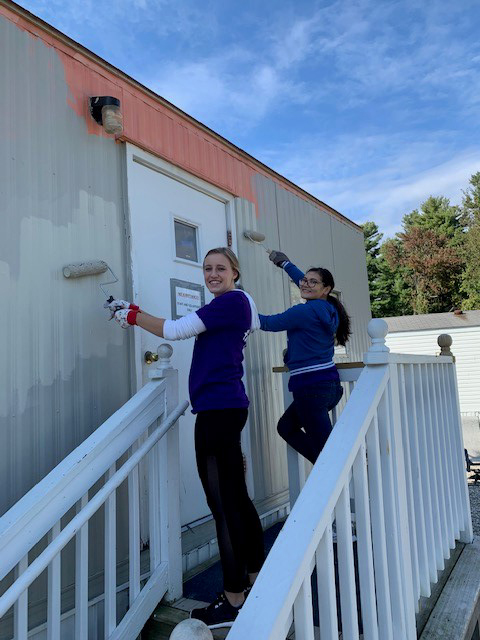
This past month the entire Wellness organization celebrated Global Service Day! Over 250 Wellies’ spent their time at local shelters and other animal rescue organizations around the world. Teams were spread out all over the U.S , Germany, Japan, Singapore, Australia and Canada.

Take a look at some of the photos!

grs

Great Dog Rescue New England – Woburn, MA

meg

Cape Ann Animal Aid – Gloucester, MA

aus

West Australian Dingo Association, Australia

s

Salem Animal Rescue League – Salem, NH

can

Save My Tail, Canada

We’d like to thank all of the organizations who let us spend the day with them. If looking to adopt a new pet, check out the list below.

  • Lowell Humane Society, Lowell, MA
  • Salem Animal Rescue League, Salem, NH
  • Cape Ann Animal Aid, Gloucester, MA
  • MSPCA at Nevins Farm, Methuen, MA
  • Animal Rescue League of NH, Bedford, NH
  • Northeast Animal Shelter, Salem, MA
  • Paws, Wakefield, MA
  • Operation Delta Dog, Hollis, NH
  • Great Dog Rescue of NE, Woburn, MA
  • Albuquerque Best Friends
  • Best Friends LA
  • Burlington Humane Society
  • California Animal Shelter
  • Carver-Scott Humane Society, Minnesota
  • Feline Café of Ottawa
  • Greenville North Carolina Humane Society
  • Humane Society of St. Joseph County, Indiana
  • Hunter T Cronin Cat Room
  • Best Friends, Kanab Utah
  • PAWS, Chicago IL
  • Pets Alive Animal Sanctuary
  • Salt Lake City Best Friends
  • Shamroq Siberian Husky and Alaskan Malamute
  • Rescue of Queensland, Australia
  • South Bend Animal Rescue
  • The Society for the Prevention of Animal Cruelty, Singapore
  • West Australian Dingo Association, Australia

We know that every home is better with a pet, and so we are so happy to have had a chance to spend time working with a Best Friends Animal Society partner shelter that helps homeless pets find a forever home.

To learn more about our Wellness Foundation, watch a video from our CEO Camelle Kent and Join the Movement visit: https://wellnessfoundation.org/
 

10 Things That Make Someone a Cat Person

October 29th is a special day. This is the day we celebrate National Cat Day. If you share your life with cats, you most likely believe every day is National Cat Day (or should be), but this special day gives people a chance to educate others about how wonderful cats are. It’s also a day to celebrate what it means to be a cat person. 

1. A cat person is someone who loves and appreciates the language of cats.

Cats can make 100 different vocal sounds, as well as having quite an extensive body language. They also rely heavily on scent communication. The cat person loves the cat for the soft purr heard during times of closeness, but also loves that same cat for the unrelenting meow at 5 a.m. in the morning when kitty thinks breakfast is overdue.

2. A cat person enjoys the delicate and exquisitely elegant movements of a cat.

Stealth and speed combine to create beauty in motion. Whether the cat is stalking prey or just walking through a room, the gait is pure poetry. A cat person loves the cat for how beautiful and silent his movements can be and marvels at how a 6 pound cat can also sound like a team of horses galloping down the hallway when chasing a toy. A cat person appreciates the beauty of a ballet and the pratfalls of a comedy.

3. A cat person provides for the unique requirements that enable a cat to live a happy and healthy life.

Many people think cats are low maintenance and that it’s responsible for their appeal for cat people. That is not accurate at all. While cats don’t need to be walked and can be left alone for longer periods, they aren’t second-rate substitutes for dogs. The care of a cat differs in some ways from the care of a dog but still requires commitment, time, patience, love and attention 

4. A cat person knows it’s not about shortcuts.

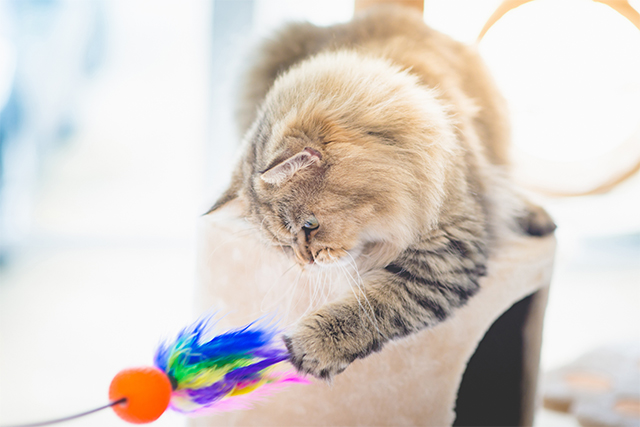
While the cat may enjoy looking out the window at activity in the trees, it’s better to have one’s own tree indoors. A cat person is also good at role playing and can use toys to imitate birds, mice and other critters. It’s not about throwing a ball and having the pet fetch, but rather, mimicking a mouse so the cat can stalk and pounce, using accurate timing, precision and athleticism. A cat person knows playtime is the feline version of playing chess. It’s all about the right moves at the right time.

5. A cat person understands everyone needs some personal space.

Cat people don’t expect the cat to follow close behind and wait for the next command. When the cat is looking away and appears distant, it means he feels safe… he trusts. He’s also doing a favor by keeping watch for any mice, spiders or flies that try to sneak into the room. A cat person knows the cat has a job to do.

6. A cat person understands the cat’s appreciation for viewing life from all angles.

For a cat, life is very vertical. Whether it’s the top of the refrigerator, balancing on the top of a door, sitting on the highest bookshelf, sleeping in the bathroom sink or napping in the dirty clothes hamper in the closet, the cat can find joy in multiple places we wouldn’t view as comfortable.
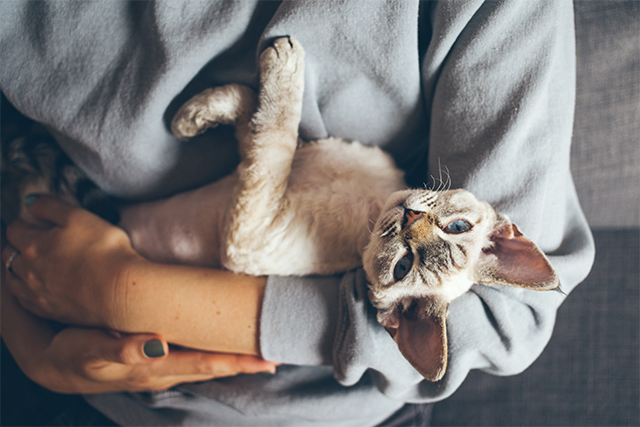
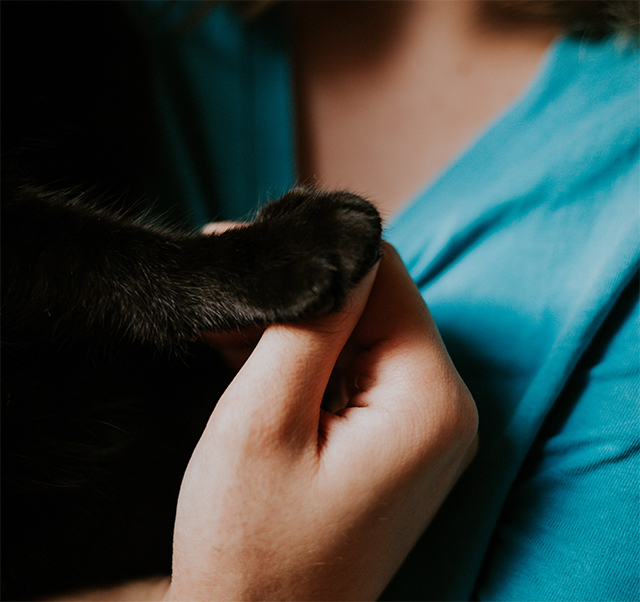
7. A cat person accepts that cat hair will be found in the most unlikely places.

8. A cat person has an amazing ability to stay in one position for what seems like an intolerable amount of time.

When a cat is curled up in a lap or sleeping close by, the cat person develops the remarkable strength to avoid scratching an itchy nose, sneezing, coughing, or the need to use the bathroom. The only weakness, however, is that the cat person can’t resist the urge to slowly and silently pull out the smartphone and take a picture of the sleeping cat. A cat person knows you can never have too many cat photos.

9. A cat person understands commitment.

With advancements in veterinary medicine, nutrition and a greater understanding of what’s required for happy, healthy lives, cats are living longer. In many cases, long after the kids have grown up and gone off to college, the family cat is still there. Years ago, when the cat was a kitten, a cat person used to struggle to make the bed as the rambunctious little kitty would insist on playing under the sheet. These days, the bed is left unmade so as not to disturb the senior cat still sleeping there. A cat person’s compassion grows deeper as every day gets more precious.

10. A cat person understands love.


Photo by Ramiz Dedaković on Unsplash

On October 29, celebrate your cats, but also celebrate yourself for the wonderful cat person you are!


Oktoberfest Breeds & Brews: Find Your Ideal Pooch and Beer Pairing!

You’ve heard the comments about how often pet parents end up choosing a pup that looks like them, but what about Brews & Breeds? This Oktoberfest, we’re having a little fun with beer and pooch pairings! First, find your favorite beer, and see which pup’s personality matches it!

1. Pilsner:

A bit more hoppy than your average lager and pleasantly lighter than a generic pale ale, a pilsner is, put simply, a refreshing beer with rich German roots.

Your dog:

You enjoy a brew that has a bit more hop than the average beer, but still remains light and easy to drink – meaning you enjoy a hardworking companion that offers energy when needed yet often remains tame. A German Shepherd is the perfect mix of spirit and calmness, just like your pilsner!

2. Lager:

Known for its crisp, light taste and smooth, mellow flavor, lagers are one of the less bitter, more subdued brews in the beer world. 

Your dog:

You like things low maintenance, no frills or fuss – your perfect breed is a Bernese Mountain Dog. These large-breed canines play into the name of a lager itself, but more importantly, they are the easygoing, well-balanced pooch perfect for your lifestyle. When they aren’t sleeping, they’re up for a relaxing cuddle or a hangout on the couch—while you sip your brew. 

3. Sour Ale:

Intentionally acidic to pack a punch, sour ales have a distinctive, zippy flavor. Available in an array of shades from golden to amber, this beer looks as good as it tastes. 

Your dog:

Lovers of sour ales can handle just about anything, especially a tart kick, making them the perfect pet parents to Poodles. High in energy, these elegant pooches can zip around the yard in a manner that catches you off guard, much like the lively flavor of a sour ale. Poodles are also known to sport colorful bows varying in shades and tones, mirroring the diverse colors of the beloved sour brew. 

4. Hoppy:

Bursting with citrus, floral, fruity or piney flavors, this beer is bitter in taste and intensely aromatic.

Your dog: For these beer lovers, the more hop, the better – so you gravitate towards Australian Shepherds. Speaking in literal terms, these canines truly have a hop, and a quality one at that. Known for their impressive jumping skills (both high and far), these dogs are as “hoppy” as it gets without any of the bitterness.  

5. New England IPA:

Often described as “hazy” or “juicy,” New Englanders have put their own twist on the traditional IPA. These brews are both smooth and creamy, unlike the dryer characteristics of other IPAs, and emulate a tropical-esque sweetness that veers from the standard IPA bitterness.

Your dog:

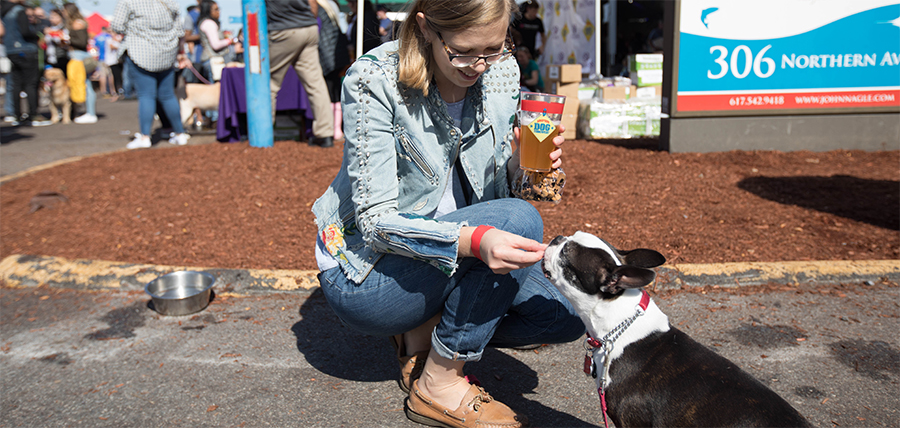
There’s no place like New England, and if you’re a die-hard fan of this IPA, you’re an all-around Northeast fanatic – your perfect breed is a Boston Terrier. This pup’s personality makes it unique from other terriers, and there’s no better ode to New England than a dog named after the place where it all began. 

6. Dark Ale:

Deep in color and rich in flavors like chocolate and caramel, a dark ale is known for its malty and roasted taste. Full in body and slightly sweet, this brew offsets bitterness and is easy to drink.

Your dog:

The attraction of this beer is often the rich, sweet taste and the smooth, dark color – your perfect breed is a Chocolate Lab or a Black Lab. Both breeds boast a charming, friendly personality while flaunting that deep, dark color that catches the eye of every passersby. 

7. IPA :

It’s the most aggressively hopped beer style of them all! With a powerfully bitter taste and intense citrus aroma, the IPA family of beers tend to have a higher alcohol content and provides flavor that really works for you.

Your dog:

If you love a beer that has a real punch and has a lot to offer you, your best matched for a dog within the working breeds. Think a Great Dane or Saint Bernard. Just like there are different kinds of IPA, there are several working dogs to choose from, all of which are loyal, hardworking – and that everyone loves!

8. Blonde Ale:

As the most approachable style of beer, blonde or golden ales are known for being easy to drink. Well-rounded and smooth, this kind of beer is an all American classic.

Your dog:

If a blonde ale is your brew of choose, there’s no doubt that you’re born to be the proud pet parent of a yellow lab or golden retriever. Not only will they match in appearance and provide great photo ops at dog-friendly breweries, but both breeds are also easy-to-train, loyal and American classics themselves.

9. Flight:

It’s the best that a brewery has to offer! From IPA’s to ales and lagers, a flight of beer will give you a little bit of everything. You never know exactly which flavors you’ll get, but your taste buds are always pleased at the end.

Your dog:

It’s no surprise that flight lovers are best matched for mutts or mixed breeds. These pups are a combination of all the characteristics and personality traits that man’s best friend has to offer!

10. Stout:

The name may make you think small, but these beers are strong, dark and offer a firm, powerful aroma. With a lower alcoholic volume, stout beers are perfect for tasting and pairing with your favorite foods.

Your dog:

A stout beer goes best with a stout dog – like a Corgi! Corgis are “big dogs” on their lovable short legs. Despite being small in stature, these pooches are steady, dependable and athletic – they’re great to bring alongside your favorite activities as they are always looking for something to do!

About This Page

Topic:

즐거운 놀이와 스트레스 해소

Date:

03/10/2019

    Be the best pet parent you can be. Join for expert advice.

    Sign Up