



Image

Benefits and Risks of a Raw Dog Food Diet

raw dog food diet

If you’ve ever searched raw dog food diet, then like many pet parents, you may be questioning if a raw dog food is right for your dog. Some pet parents add raw dog food as a treat or kibble topper, and others passionately feed it with the belief that raw dog food offers real, natural ingredients that provide unmatched nutrition with a minimally processed advantage. It goes without saying that superior nutrition has been proven to support a long and healthy life for pets and contributes to both their physical and mental wellbeing. That said, what format is truly the best way to feed our dogs?

Here, we’ll share the pros and cons of a raw dog food diet in order to help you make an informed decision about what’s best for your dog:

What suits one may not suit all

Just like us, dogs are individuals and a diet that might work for your friend’s dog may be completely inappropriate for your dog especially when you consider the unique nutritional requirements that come with breed, size, age and health differences. If you are thinking of changing your dog’s daily diet, a great first step is to always consult with your veterinarian to ensure your dog gets the very best personalized care.

What is a raw dog food diet?

A raw dog food diet is based on the combination of raw, uncooked meat (often muscle and organ meat), whole or crushed bones, fruits, vegetables, raw eggs and some dairy which are freshly prepared prior to feeding.

Conflicting and confusing information

When researching the benefits of raw, you quickly find that scientific support if often thin, causing veterinary and medical skepticism but, you will also find anecdotal enthusiasm from fellow raw feeders who convincingly detail the clear health benefits they see in their dog.

The case for a raw dog food diet

Think about your dog as having a carnivorous heritage with omnivore evolution. One of the main reasons pet parents consider feeding a raw dog food diet is based on how dogs evolved. The Grey Wolf, the ancestor of our dogs, was without a doubt a carnivore and fierce predator who thrived on a meat-based diet.Today however, dogs have evolved over thousands of years into 400 different breeds ranging from a tiny Teacup Poodle to enormous Great Danes with vast visible, genetic and lifestyle differences to their ancestors.

Unlike cats, dogs have evolved genes that give them the ability to produce amino acids from carbohydrates, which traditionally would come from a meat-based diet. In simple terms, dogs are now classified as omnivores—animals who can thrive on both meat and vegetable ingredients.

Raw does not have to mean home cooking and a good relationship with your butcher.

Today, raw dog food diet options come in a variety of commercially prepared offerings. From fresh or frozen, to kibble with raw pieces, the convenience of “scoop and pour” can still be achieved if desired.

Raw dog food diet advantages

Devout raw dog food enthusiasts tout raw as the most natural way to feed a dog. They anecdotally report that feeding their dog raw food results in a shinier coat, healthier skin, cleaner teeth, higher energy levels and smaller stools. And it goes without saying that dogs love a bowl of fresh meat for the ultimate palatability.

  • delicious flavor for your dog
  • healthy skin shiny coat

  • higher energy levels

  • healthier stools

Raw dog food diet disadvantages

Many mainstream veterinarians as well as the FDA agree the risks of raw diets are well documented with several studies published in veterinary journals. Some home diets have been found to contain high numbers of pathogenic bacteria. These bacteria may cause minor or major health upsets ranging from mild stomach sensitivity to fatalities in rare, serious cases. Also, there’s a legitimate contamination risk to humans should they be immuno-compromised, elderly or young. 

Feeding raw bones come with potential risks like choking, intestinal blockage and chipped or broken teeth. 

Additionally, if you’re formulating a raw dog food diet, it’s crucial that the diet be complete and balanced to give your dog all the nutrition they need. If the food is not complete and balanced, dogs can develop nutritional deficiencies.  Many pet parents need the help of an expert in animal nutrition to achieve a safe diet, or need to add commercial supplements to their raw foods to ensure their dog gets all of the necessary nutrients, vitamins and minerals.

A final consideration of feeding a dog raw food diet is the financial and time investment costs. Home prepared raw foods with premium high-quality ingredients can become a costly way of feeding a dog, especially for larger breeds who will require significant volumes of food to achieve their total calorie needs.  

Pet parents may be able to feed raw at home, but travel and holidays can make it quite challenging and inconvenient.

Raw dog food diet risks recap

  • potentially dangerous bacteria or pathogens in raw food
  • risk of contamination with raw meat that could make humans sick
  • raw bones can pose a choking hazard to dogs and may chip their teeth 
  • high cost and time investment

Commercially prepared raw dog food diets

If you’re interested in the benefits of feeding a raw food diet but keen to avoid the health risks, then it’s worthwhile to consider a commercially prepared raw recipe. At Wellness, our Wellness CORE RawRev recipes allow you to add raw easily and safely with every meal. 

Wellness CORE RawRev is a complete and balanced high-protein kibble (in grain-free or wholesome grains options) with the addition of 100% raw freeze dried meat pieces. This combination results in a savory, nutrient-rich meal packed with everything your dog needs to thrive.

join our community

Why Your Cat Has a Sensitive Stomach (And Foods That Will Help)

Our cats fill us with pure joy, but some of the ingredients in their food may be filling them with anything but. Cats with sensitive stomachs may have allergies or food intolerances that develop over time from giving them the same foods and ingredients. And some foods may be too rich for kitties who are prone to vomiting after eating.

Some breeds of cats are at a higher risk for allergies and sensitivities than others. Your cat may be experiencing a mix of inhalant allergies alongside their food allergies. For instance, Siamese cats or Siamese crosses are genetically at higher risk for developing food allergies.

Symptoms of Food Allergies in Cats

So what does a food allergy in cats look like? Well, food allergies often result in things like over-grooming, chronic itching and other skin issues. Your cat may groom so heavily that they break the skin or even tear their own fur out.

Symptoms of Food Intolerance in Cats

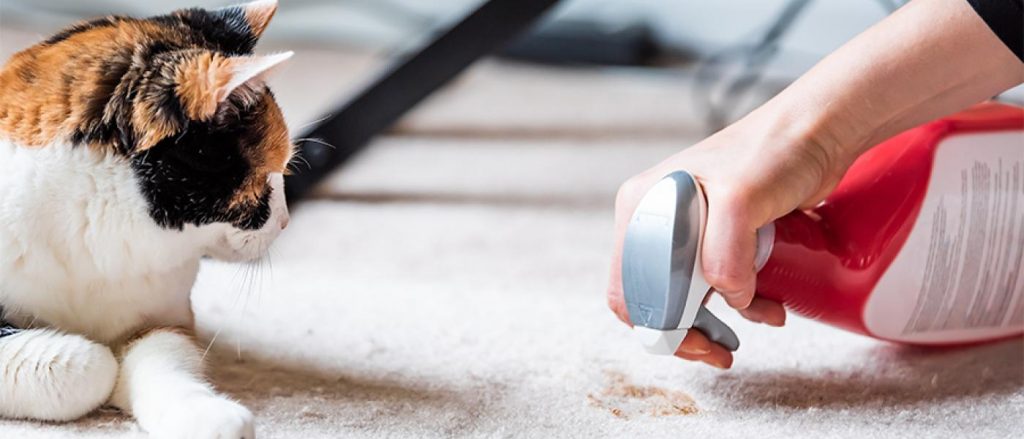
A food intolerance looks a little different; it will often result in the regurgitation of the food and/ or having diarrhea. A food intolerance may present with a cat vomiting after eating. (Always seek a veterinarian’s diagnosis if your cat is experiencing new or extreme symptoms of any kind)

If you’ve noticed your cat has a sensitive stomach or other potential allergy or intolerance symptoms and you’d like to get to the bottom of it, taking a look at their diet is the first place to start.

Let’s get into what are considered the top 5 foods that are most-often the causes of allergies in cats.

Some of the most common food allergies in cats include:

  • Beef
  • Chicken 
  • Fish
  • Dairy 
  • Eggs

(some preservatives or additives may also trigger allergic reactions)

These are extremely common ingredients which is unfortunately why they are also common allergens. It is important to give your cat a balanced diet with some variety. Giving them both wet and dry food, as well as keeping some kind of rotation of proteins will help them to avoid developing these allergies.

Cats may experience allergies in food that go hand-in-hand with environmental allergies such as seasonal pollen, so it can be pertinent that you determine the exact cause of your cat’s symptoms.

Elimination diet

Figuring out what ingredients are triggering your cat’s reactions can be done through a process of elimination by feeding your cat a new diet that does not include any proteins that they would have had previously. Once you’ve determined the exact cause and have found a diet that seems to work and resolves the symptoms that your cat is experiencing, you want to keep them on that diet for around 6 to 8 weeks in order to ensure symptoms do not come back and that no new symptoms arise. Be sure to work closely with your veterinarian during this time.

Quality makes a difference

If your cat has a sensitive stomach, it’s important to feed them high quality ingredients that are made from whole meats or novel proteins, as well as the right balance of vitamins and minerals through things like vegetables or whole grains. Also, be sure to choose a brand that does not add unnecessary fillers or preservatives to their cat foods as those can trigger sensitivities.

In Wellness cat foods, we use high-quality, real ingredients, and let you know exactly what is going into every bite. A proper diet can help improve the function of your cat’s digestive tract, along with their quality of life.

If you have a cat with a sensitive stomach, here are a few of our top food suggestions:

Go chicken free

If your cat has a chicken allergy or intolerance, the Wellness Complete Health Grain Free Indoor: Salmon & Herring dry food is a great option as it is entirely chicken free.

Try turkey

If your cat seems to have a problem digesting their current food, our Complete Health Pâté Turkey is highly recommended. Turkey tends to be easier on the stomach and the solid, smooth pate texture may settle more easily than something with gravy or chunks.

Opt for lower fat food options

Similarly, our CORE Pâté Indoor Chicken & Chicken Liver has lower fat levels which makes it easier for your cat to digest. This may also be especially beneficial to indoor cats who may be putting on weight from a higher fat content in their current regiment. 

Feeding your cat with quality ingredients and making sure that their diet is well-rounded can be the key to helping your cat with a sensitive stomach get back to a happy and healthy journey. Our cats mean the world to us, so it is important for us to feed them a world of different foods.

Grain-Free or Non-Grain Free Dog Food: Which Is Healthier?

With so many pet food brands, recipes and flavors available, selecting the best dry dog food is tough. One feature that many pet parents have historically used is by determining if a product is a grain free or non grain free dog food. But, what does that mean for the health and wellbeing of dogs? Is one better than the other? Are all grain-free diets the same?  And can a pet parent expect significant differences by feeding one over the other?

What makes grain free or non grain free dog food? The carbohydrate source.

Before we start, let us get clear on the bigger picture as to what both grain and grain-free ingredients are, carbohydrates.  As a macronutrient, the starch in carbohydrates is a vital source of energy to fuel dogs’ activities. Carbohydrates are a rich source of fiber that support dogs’ digestive health. Carbohydrates nourish good intestinal bacteria and include essential nutrients like protein and key vitamins and minerals. As with most foods, the quality of the carbohydrate ingredient is paramount to its nutritional value. Higher quality ingredients deliver an abundance of nutrition especially when compared with over processed carbohydrates such as flour.

Grain and Grain Free Ingredient Sources:

Within carbohydrates, different ingredient sources are classified by sub-groups including grains/cereals, legumes and tubers which can also be split into a larger group of grains (cereals) and grain free (everything else but cereals).

  • Grained recipes: can include common cereal sources like wheat, corn, barley, oatmeal, rye and rice.
  • Grain free recipes: include other carbohydrate sources like potato, sweet potato or legumes such as peas, lentils or beans.

  • Whilst the Grey Wolf ancestor of today’s modern dog rarely ate carbohydrates, the dogs we know and love today have thousands of years of evolution to now possess several new and modified genes.

These new genes enable dogs to easily digest carbohydrates. So if dogs can digest carbohydrates and use them as a good source of energy, why is this such a topical issue for some pet parents?

Why Choose Either Grain Free or Non Grain Free Dog Food? 

Allergies & Food Insensitivities:

An adverse food reaction is defined as any abnormal clinical response that occurs following ingestion of a food or food component. Adverse reactions can be initiated by single chemical elements within a food, may be caused by larger components of the food or may only be seen when a whole commercial diet is fed and not if the individual ingredients are fed. 

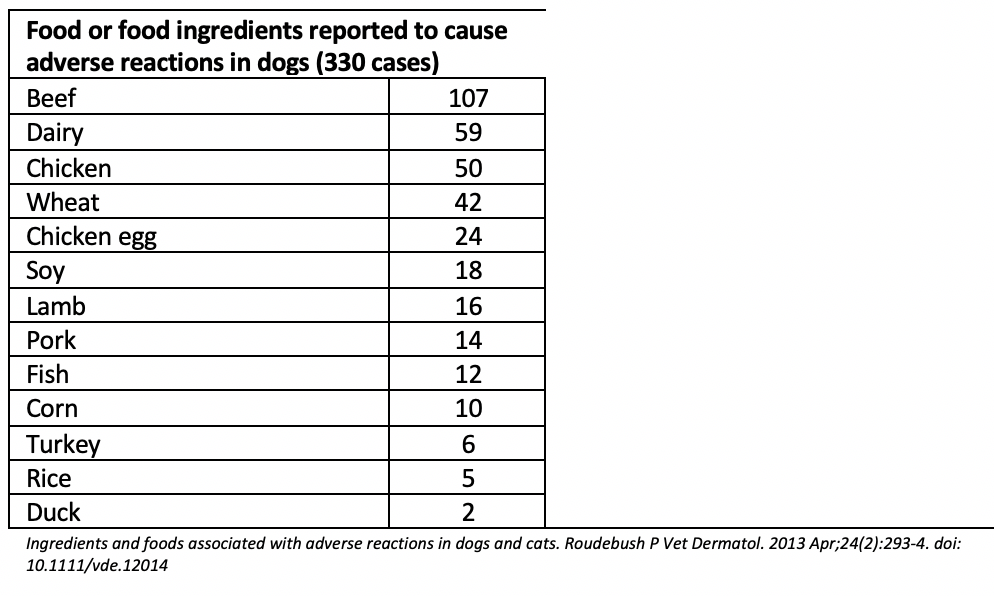
To make it even more complex, adverse reactions may be seen with very small amounts of food or may require overfeeding for extended exposure and will often present with signs of a skin or intestinal upset. Food allergies in dogs are uncommon, but they can occur. Looking at the top 10 ingredients that have been diagnosed as food allergens, the main culprits are beef or chicken but some grains such as wheat, corn and rice do make the top 10. This is why it makes sense for some pet parents to avoid grains.

table

Overall Carbohydrate Levels

Grain Free and Decreased Amounts of Carbohydrates:

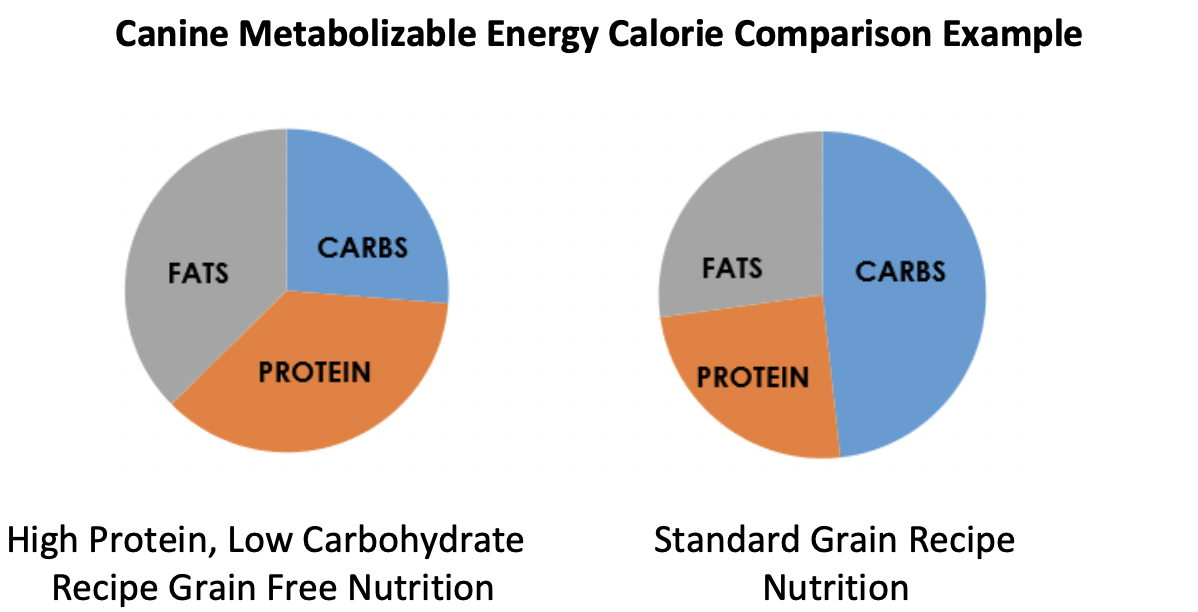
Whilst grain free does not always mean less carbs, there are numerous brands that deliver a grain free recipe with up to 55% less carbohydrates when compared to their non grain free dog food. For some pet parents, seeking a diet with lower carbohydrates and more high-quality animal proteins is something that appeals to them. This approach can create a tastier meal for fussy dogs while supporting optimal digestion, improving skin and coat health and building strong lean muscles. Transitioning on to a grain free recipe can make sense; however, it’s important to note that this approach does not suit all dogs. 

For some dogs, a non grain free dog food makes more sense. For example, keeping the protein lower and the carbohydrates higher in a healthy, balanced meal lowers the richness of the recipe for dogs with sensitive stomachs.  A high-quality non grain free dog food will still deliver complete and balanced nutrition to promote wellbeing, just in a different overall format to suit dogs’ nutritional needs.

chart

Safety and Wellbeing:

When selecting a pet food brand, trusting in the company you choose is key.  In most cases our dogs will eat the same food every day. That’s why it’s important to ensure they’re getting the nutrition they need.

A couple years ago, concerns with some brands were raised by the FDA due to their association of potentially causing heart health issues.  If you’re feeding a grain free food, here are a few steps you can take to ensure the brand you choose is safe:

  • Confirm that taurine is listed in the ingredients.
  • Reach out to that brand to understand what commitment they have to the safety and quality of their recipes and manufacturing process is like.
  • Know whether they meet the Association of American Feed Control Official’s (AAFCO) pet food guidelines.

bag ingredients

So what should you pick?

The decision ultimately comes down to what you—and your dog—prefer. Look for a food that is complete and balanced. This means the ingredients provide the recommended levels of protein, fat and essential nutrients in the appropriate ratios and concentrations. Verify that the brand is one you can trust, undertakes scientific studies and meets the Association of American Feed Control Official’s (AAFCO) pet food guidelines. Then, look at the overall ingredients. Are they real and wholesome ingredients? Is the recipe formulated to match any unique nutritional needs your dog has?

At Wellness, all our recipes deliver the highest quality complete and balanced, scientifically-proven nutrition to promote superior wellbeing. We have something for dogs of all sizes, breeds and nutritional needs. Wellness CORE high-protein dry dog foods are offered in both Grain Free and with Wholesome Grains options. And our CORE RawRev high protein kibble has 100% meat pieces mixed in for a taste your dog will crave—also available in Grain Free and with Wholesome Grains options.

join our community

9 Times Dogs Saved Us During Quarantine

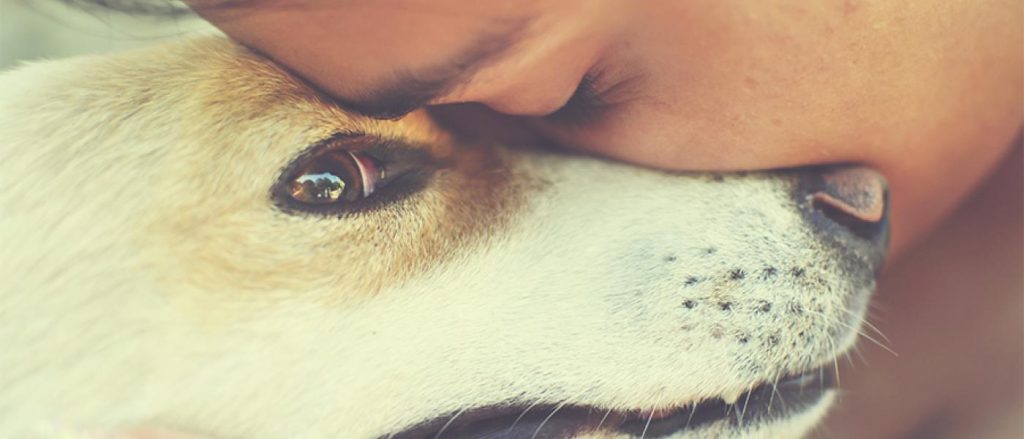
dog comforting woman

During this time of uncertainty as the COVID-19 virus stretches across the globe, many are turning to their dogs for emotional support. Here are a 9 heartwarming stories of dogs coming to rescue their owners from sadness, fear and anxiety,

1. Autism service dog calms owner having panic attack

Marley is a trained autism service dog. In this video, his owner is having an anxiety attack. Marley stays by her side and slowly begins to step in as the attack becomes worse. While Marley’s owner tries to push Marley away, Marley jumps up on her lap and hugs her to which Marley’s owner hugs back. It’s moments like these that remind us dogs are so much more than animals. They are compassionate beings that want us free from suffering.

2. How Daisy has turned into my family’s comfort dog during the pandemic

While we may not be able to hug others during this time of quarantine and social distancing, our pets are stepping in for support. For the Biemer family, their dog Daisy has been a support for not only mom Joanne, but her three grade-school-aged kids who are now at home indefinitely. Daisy gets the family out of the house for long walks, eats dinner with the “pack” and snuggles up for movie nights and bedtime routines.

3. How one therapy dog is going virtual to support neglected kids

A special pup named Jordan is helping kids at the Kid’s House in Seminole Country, Florida. Kids House is a center for abused and neglected children offering a safe space for kids to play and heal. Dogs, offering unconditional love, is something these kids desperately need, says the staff. Jordan is that source of joy for everyone at Kid’s House.

jordan therapy dog

Because of the pandemic, Kid’s House is working through teleconferencing to ensure their kids maintain therapy routines and are staying safe. Jordan is present for those calls and kids are instructed to pet their stuffed animals just as they would Jordan. Jordan has also been a huge support to the staff during this trying time, going to them for a hug or snuggle when things get tense.

4. Dog providing stress relief to elderly during pandemic

In Nebraska, the K-9 Comfort Dog Ministry is getting their furry friends out to as many elderly people as possible to provide comfort and solace during these uncertain times. While residents at Greene Place senior living cannot pet the dogs at this time due to safety guidelines, they still get weekly visits where they can see their good friend Nico through their windows, bringing comfort and familiarity to the hearts of all.

Staff says seeing Nico is a connection to normalcy and something for residents to look forward to each week. Nico will say a big hello from the porch, giving residents a moment of peace during this trying time.

5. Therapy dog at Massachusetts General Hospital brings comfort during coronavirus pandemic

Eduardo is a therapy dog at Massachusetts General Hospital. It’s his job to cheer up patients and staff, and right now, he’s working overtime. He brings smiles to everyone he sees acting as a reminder of hope during long days and even longer nights.

Eduardo makes his rounds, visiting staff and sick patients which gives everyone a sense of relief when they see his face. His main message is to remember that social distancing is important and to share your own “paw-fect” companion stories on social media.

6. Canine Companions service dogs helping their humans through pandemic

Located in Jacksonville, Florida, St. Augustine Rehab Specialists work with Parkinson’s patients on a daily basis, an illness that is already weighing on patients’ minds, but with the outbreak of COVID-19, anxiety fills the center.

Enter Harley, a 3-year-old pup who is a reminder of hope, peace, and joy. His job is to take patients’ minds off their illness, away from the virus and help them focus on living a full life without fear. Harley’s owner, physical therapist Melanie Lomaglio, sees a vast difference in her patients when Harley is around. During patient sessions, Harley helps patients forget the outside world and focus on health and happiness.

7. A service dog in training supports hospital staff during coronavirus

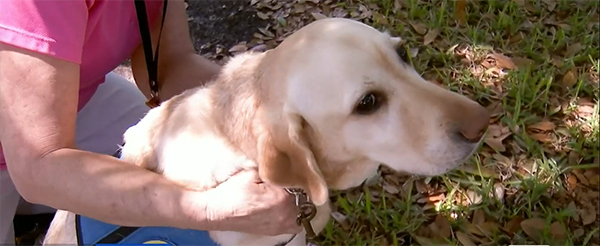
therapy dog

Credit: News 4 Jax

In Denver, Colorado, Dr. Susan Ryan works in the Rose Medical Center ER treating COVID patients around the clock. While the team is working hard to save lives, Wynn, Ryan’s therapy dog in training, has become their savior.

Ryan brings Wynn to work each day, but in these stressful times, Wynn has become a godsend. Petting Wynn calms the staff and first responders. Wynn is currently in training with Canine Companions for Independence to become a licensed therapy dog, but she is already well on her way to that title.

8. Forlorn dog finds new purpose

AP Photo/Michael Liedtke

AP Photo/Michael Liedtke

Michael Liedtke suffered multiple loses in a two-week span, including the death of his father and dog Surfer. News of the pandemic was another unwelcomed conflict, and even though he felt it was toon soon after Surfer’s death, he knew he had to make a move.

Michael and family adopted Wookiee, a 3-year-old Surfer doppelganger. Immediately, levity was brought to the family, including the kids who feel Wookiee is a new constant since school and play are no longer viable options. While this family has brought stability and comfort to Wookiee, Wookiee has done the same and more for them.

9. Dogs could join the fight against COVID-19

In the UK, medical detection dogs are being used to try and smell the virus. With recent success in teaching dogs to sniff out malaria, there is hope that dogs could be able to smell the COVID-19 virus. If it works, this could be a game changer for reopening the economy around the world!

Whether we are a veteran pet owner, a new foster pet parent or we gather joy from watching pet videos online, animals are stepping up during this time of need to help foster mental health and wellness for all. If you have a pet story to tell, put #StayPawsitive on your next social media post and share your joy with the world.

How to Safely Foster a Pet During Quarantine

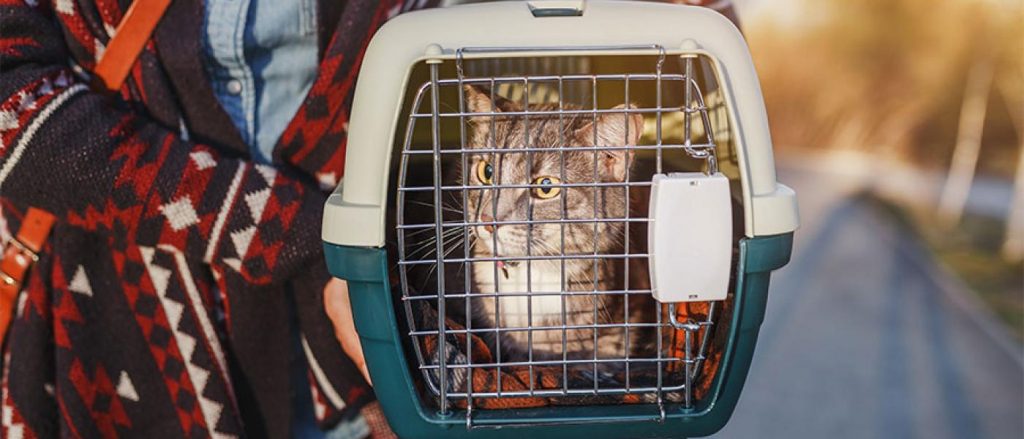
cat in cat carrier

With the impact of the COVID-19 virus came a wave of lockdown orders and voluntary sheltering in place. Staying inside can feel suffocating, especially for those who live alone or suffer from mental health issues/chronic health illnesses, but there is something we can do to bring joy into our daily lives—get a pet! 

Pets have been proven to support their owner’s emotional needs, provide purpose and foster stability. Recently, thousands of people have adopted and fostered furry friends across the nation. Shelters are emptying at high rates because people know that pets equal love and support.

Maybe you aren’t ready to adopt. A great short-term alternative to adopting is becoming a foster pet parent. Fostering a pet follows the same concept as fostering a child. You will work with a shelter to find a good match and bring home your furry friend for a specific amount of time. The length of stay will depend on various factors, so be sure to work with the shelter to understand the maximum amount of time your pet will stay with you.

Fostering is a win-win. Your furry friend gets out of the shelter, and you have a new companion during a stressful and trying time. If you haven’t already and you have the means, consider fostering during this time of need; however, be sure to inquire how long the fostering will last, especially if you know your return to work date. Be open about your time frame and your needs to ensure fostering works well for you.

Starting the Process

When considering fostering during a pandemic where social distancing is the norm, you’ll have to get creative when it comes to the fostering process. Speak to the shelters in your area that offer foster programs and work with them to find the best way to safely foster a pet during this time. The goal is to have the least amount of contact with others as possible which means utilizing technology is key. Work with the staff over the phone, file paperwork through email and even conduct video meetings with staff and furry friends when possible.

While this is an exciting time to acquire a furry friend, remember that we are in a state of emergency. Ensure you and the shelter are doing everything you both can to stay safe and healthy. 

Preparing for Your Pet

While you may be able to bring your pet home with limited social interaction, there are a few other things to keep in mind. If you haven’t previously owned a pet, you’ll need to stock your house with the necessary items. At an essential level, cats will need a litter box with litter and scooper, ample food, and a few toys. For dogs, you will need a leash for walks, food/food bowls and toys for entertainment. If possible, things like pet beds, blankets, and treats are a welcoming nod to new furry roommates, but only seek to acquire these items if you can do so safely.

To obtain your basic pet care package, you have a few options. Often times, shelters have basic care kits which include most or if not all of these essential items. You could ask that these items are put aside and given to you when you pick up your furry friend, and you could pay with your credit card over the phone to ensure limited interaction. 

Bringing Your Pet Home

While becoming a foster pet parent is an exciting milestone, we need to ensure everyone stays safe. When you go to pick up your pet, be sure to follow the correct protocol put in place by your state. Wear a mask, always stay six feet away from others and wash your hands before and after the interaction. Work with your shelter to devise a plan on how they will get your pet and your items to you in a safe way. You could have them load your car, or you could have them place all items outside the shelter where you can drive up and easily place everything in the car yourself.

When you get home, be sure to disinfect all items you bring into your home. Wipe down transport boxes/carriers and all other items purchased from the shelter/stores. You can also give your pet a bath to ensure nothing has been transmitted. When you are finished, be sure to wash your hands and discard/wash your mask. While this placement is only temporary, the loving memories you make will last a lifetime for you and your furry friend.

Fostering a pet at any time is such a monumental moment in a person’s and a pet’s life. Here at Wellness Pet Food we are committed to making the world a better place for pets everywhere. That’s why we started the Wellness Foundation, with a mission that goes beyond nutrition to help pets be #RaisedWithLove. As the Official Pet Food Partner of Best Friends, we are proud to provide natural pet food for the animals they rescue, so they have access to the healthiest nutrition possible. 

Top 15 Quarantined Pet Videos

woman with dog on video

We are living in some wild times. 2020 has brought us waves of confusion and uncertainty, but there is always a silver lining to be found. Now that most of us are home, we are spending some much-needed time with our pets. Because we have limited means to go out and interact with the world, we are starting to get creative in our homes.

In the last month, there has been a surge of pet videos filling the internet, everything from animal fails to pet-loving Tik Tok videos…plus loads of cozy animal snuggle pictures. While we can’t interact with others in person, we can interact with the world through our pet videos. Animal videos bring joy to all, but when it comes to quarantining, some of our furry friends are bringing the funny to a whole new level. With pet owners stuck in the house, there is no place for pets to hide. Everything is caught on video, including a lot whole of pet owner boredom. Here are 15 pet videos to brighten your day!

  • 1. As the Wheel Turns

    Everyone is trying at-home workouts during the pandemic, but it seems this one got away from our furry cat friend. Doing laps on her wheel, it seems the wheel got away from Arya, but hey, we’ll give her a 9.5 for that landing.


    A post shared by Arya & Keiko (@two_texas_rexes) on

  • 2. The Ultimate Obstacle Course

    It is the ultimate animal battle: cats versus dogs. But only one can be the quarantine champion. These owners pin their furry feline against a pack of dogs to see who has more grace, agility, and class in a hallway obstacle course. The real question is, who is having more fun—the pets or the owners?


    A post shared by Animals Doing Things (@animalsdoingthings) on

  • 3. Mario Kart Mastery

    Any Nintendo fans out there? This quarantined pet owner gets creative when they simulate a Mario Kart racing video game with their pup using treats as motivation. Even though we don’t see the end of the race, it’s clear the pup won!


    A post shared by Animals Doing Things (@animalsdoingthings) on

  • 4. Just Passing the Time…

    With owners at home, pets have no privacy during the day like they used to. They don’t have their “me” time to wander and sniff and sleep. It means everything they do is in the public eye. This poor pup got caught attacking his own tail, but man, is it funny to watch!

  • 5. Pup Poker Night

    Do you live alone? Are struggling to find ways to pass the time? This issue is a problem no longer if you have a pup in the house. Just teach your furry friend some card games and let the fun begin!

  • 6. Cranky Cats

    We know dogs are happy about the stay-at-home orders. They love attention, walks, and a good belly rub, but cat owners know their temperamental fur babies need some time to warm up to the idea. This feline friend is doing their best to adjust to work-from-home parents.

  • 7. Dog Days of Quarantine

    We may be missing our friends, but so are our pups! They want to party at the dog park and sniff some furry friends on their daily walks. Day 17494 of quarantine has us all a little down, but hey, at least they have each other.


    A post shared by Hudson B. Mason (@hudsonbegood) on

  • 8. Man’s Best Friend

    It’s clear from internet feedback: dogs are the only beings on this planet loving quarantine life. They truly are a man’s best friend, and they want to follow our lead. Literally.


    A post shared by MARLEY NYC (@marleyinnyc) on

  • 9. Fitness Fails

    Speaking of man’s best friend, while dogs bring joy to our lives, sometimes, they can’t read the room…but hey, who doesn’t love a workout buddy? Except when they physically prevent you from actually working out.

  • 10. It’s Super Dog to the Rescue!

    Maybe we aren’t giving our pets as much credit as we should. Since we can’t leave the house, maybe they can help us out! This brave pup goes on a journey to the store to get his owner everything he needs while following all the proper safety protocols.

  • 11. The T.P. Challenge

    We know you have a closet stocked full of TP. What better way to pass the time than training your pet for the next Pet Olympics using your stash? Get started with this simple at home trick! Line up the TP, pick a classic tune, and keep the camera rolling.

  • 12. Duck Songs

    Our pets have more talent than you may think. It’s all about support. Check out this duck strumming a tune for their owners on Easter Sunday!


    A post shared by Ben Afquack (@minnesotaduck) on

  • 13. DIY Pet Games

    Running out of ways to entertain your dogs (and yourself)? All you need is a cardboard box, some carrots, and wah-la! You have your very own pup carnival game which promises to keep everyone entertained for hours on end.


    A post shared by Animals Doing Things (@animalsdoingthings) on

  • 14. Cat Fashion Shows

    Most of us are living the pajama life indefinitely. If you are looking to spice things up in quarantine, throw a cat fashion show! Dress your cat in different outfits or work with your friends to create a compilation. These cats are rocking the runway from personality to paws!

  • 15. The Tic Tac Toe Showdown

    Finally, what could be the newest trend in stay-at-home pet ownership is playing tic tac toe with your pet. Don’t let lack of communication stop you. Grab and pen and let the fun begin, just like these creative pet owners in this finale compilation video. Enjoy!

Your Dog’s Mental Health – 5 Ways to Exercise A Canine’s Mind from Home

dog mental training

You have been cooped up in the house with your dog for a month and he is bouncing off the walls. You have done everything you can to make sure he is getting enough exercise, but have you done enough to exercise his mind?

“Dogs benefit from new learning experiences and challenges, and will look good, feel good, and live longer as a result” says Dr. Ros Dench – Veterinarian Advisor at Wileypup

Psychology Today reports that up to 25% of canines display signs of depression. Turns out that our canine companions are intelligent and social animals that need to exercise their minds just as much as their bodies. 

If your dog is engaging in anxious, nervous, or even destructive behaviors, try these 5 ways to be sure they are getting the mental workout they need to stay balanced and happy during COVID 19 quarantine:

1. Train a New Trick

One of the best ways to get your dog thinking without leaving the house is to used positive reinforcement based training to teach your pooch some new tricks. Now that you have some time on your hands, it is a great time to perfect rewards-based training techniques, such as clicker training, to get your dog thinking and build a bond based on trust and joy. 

Here are a few tips to make training your dog a new trick fun and rewarding for you both:

•    Keep sessions positive by ignoring the wrong behavior and rewarding the right behavior with food rewards and praise.
•    Use a marker sound or word to let your dog know exactly when they are doing it right, always followed by a reward. 
•    Set your dog up for success. Break the trick into small parts and reward any behavior that gets closer to your ultimate trick. Rewarding success often is what will keep your dog motivated to learn more!

2. Doggy Puzzle Toys

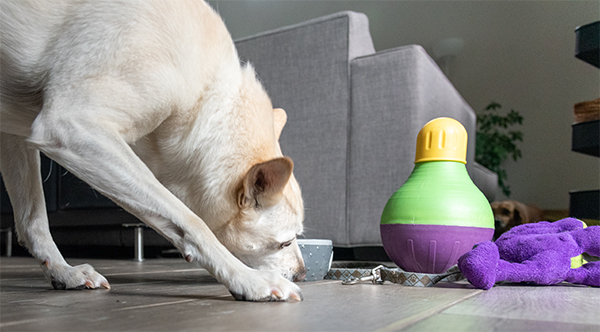
dog playing a puzzle piece

Many people find themselves working from home for the first time. While you may be getting some extra time with your dog, you may also need a way to keep your dog occupied while you get some work done. 

One of the best solutions to this problem is to invest in some dog puzzle toys. These innovated dog toys are the next generation of dog toys – they use positive reinforcement training to get your dog thinking through a series of puzzles to earn their rewards. 

Dog puzzle toys are a great hands-off option to keep your dog from going stir crazy due to boredom during quarantine. If you are worried about your overweight dog putting on some pounds, simply use a portion of their regular kibble rations to get them working a little harder for their din-din. 

3. Find It!

Playing games with your dog has benefits for both you and your canine companion. It helps you to access the joy and stress relieving benefits of time spent with dogs. One of the best games to play is “Find it!” which is easy to train and will provide hours of fun for your dog. 

Hiding a favorite toy or treat can be a great way to get your dog using their head and sniffer. Start by making this game really easy, even letting your dog see you hide their reward. Then, increase the difficulty for more of a challenge once they “get it.”

4. Impulse Control 

Training your dog to learn that patience can have its own rewards is another way to stimulate their mind and build focus. Training tricks such as stay, wait, leave it, and holding a down are great behaviors to have on tap and they also keep your dog’s mental gears engaged. 

The trick to teaching any of the delayed reward behaviors is to start by rewarding even the smallest success, even as little as a second or two. Don’t expect your dog to “stay” for 5 minutes right off the bat. Instead, reward a few seconds of a stay 5-10 times before raising the bar. 

If your dog is failing a lot to meet your criteria, then it is your job to lower the criteria to set them up for success. Over time you will keep your dog’s attention when they are rewarded often for success rather than failing often because you set the bar too high. 

5. Dog Obstacle Course

If you happen to have kids in your household, here is a dog physical and mental exercise that will help everyone stave off the boredom of quarantine. Use household items such as sheets, buckets, broomsticks, pillows, doormats and even furniture to make a homemade doggy agility course in the house or back yard. 

Teach each of the obstacles to your dog using positive reinforcement. Once they have mastered each of the individual obstacles, line them up to create an agility course of your own. Keep the tone positive and exciting, rewarding often, to keep your dog engaged in the process while activating his mind and body. 

4 Eco-Friendly Activities to Do with Pets at Home

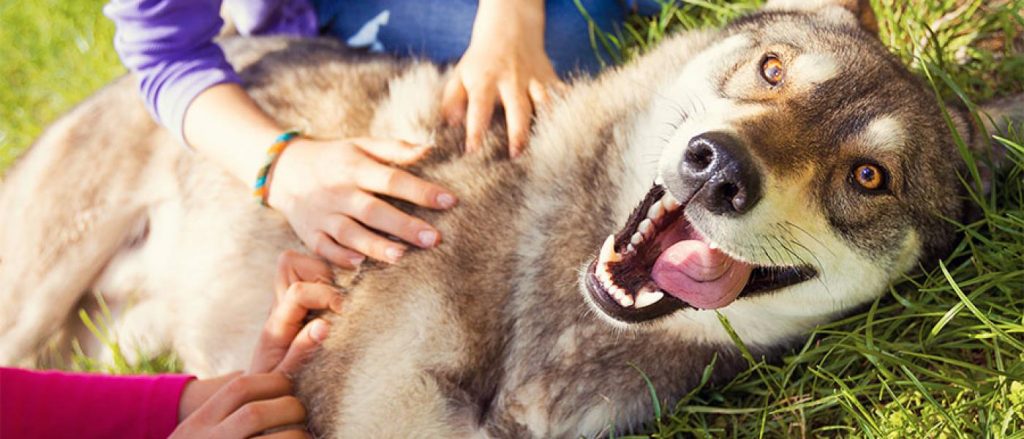
dog playing outside with people

This year’s Earth Month celebrations may look a little different for pet parents, but did you know slowing down and staying close to home can have a positive impact on the environment? 

Think about it: There are fewer cars on the road, we take more steps on foot, are more mindful of the things we buy and have the time and space for activities with a light foot (or, paw) print. 

Our furry family members love us unconditionally and are so happy to spend more time with their people! Here are some low-impact activities you can take up with your pet by your side:

1. Plant a pet-friendly garden

Now’s a great time to weed, turn over and clean out your garden plots to make room for new growth this spring! Vegetables, fruit bushes, flower beds…the possibilities are endless. If you have a safe, fenced-in outdoor space, your pet will love time in the sun while you work.

Pets and plants don’t always get along, though, so creating balance ensures the two live in harmony. Check out How to Plant a Pet Friendly Garden This Spring for more.

2. Stay active outdoors

In times of in-office work and school, we’d de-stress by looking at images of nature, which can have the same calming effects on the brain as being in nature. With that, just think of how powerful actually being outside can be for your mental health and the wellness of your pet!

Sitting outside and taking walks with your pet are wonderful opportunities to connect with the world and check in with the mind and body. To ensure you leave your path better than you found it, see these 5 Ways to Make Outdoor Excursions with Your Pet More Eco-Friendly. And while we are quarantining, remember to always follow social distancing guidelines. That said, you may need to slightly adjust your outdoor-time approach.

3. Get crafty with a Do-It-Yourself project

Now that you get to spend all this lovely time with your furry family member(s), showering them with attention might bring to mind new toys, collars and other accessories. Instead of buying new, take this opportunity to slow down and get creative by upcycling items you already have into treats your pets will love.

Turn old t-shirts into a ball toss toy for your dog, and toilet paper rolls into a lightweight ball for your cat. You can even make everyday items out of empty Wellness Pet Food packaging, such as a water bowl, treat holder, or a cute little cape for your mighty mutt! 

4. Keep recycling Wellness pet food and treat packaging

Now more than ever, recycling is an eco-activity that lowers your carbon footprint and protects the planet for future generations of pets! All Wellness dry food and treat flexible plastic packaging can be easily recycled through our free TerraCycle program. Just join, collect and download a prepaid label from your account.

Bonus: the more you recycle, the more points you earn in exchange for a cash donation to your favorite pet charity or nonprofit organization.

___

Looking for more ways to make a difference while palling around with your pets? Check out How to be an Environmentally Conscious Pet Parent.


10 Ways to Feed Your Indoor Cat Right [Checklist]

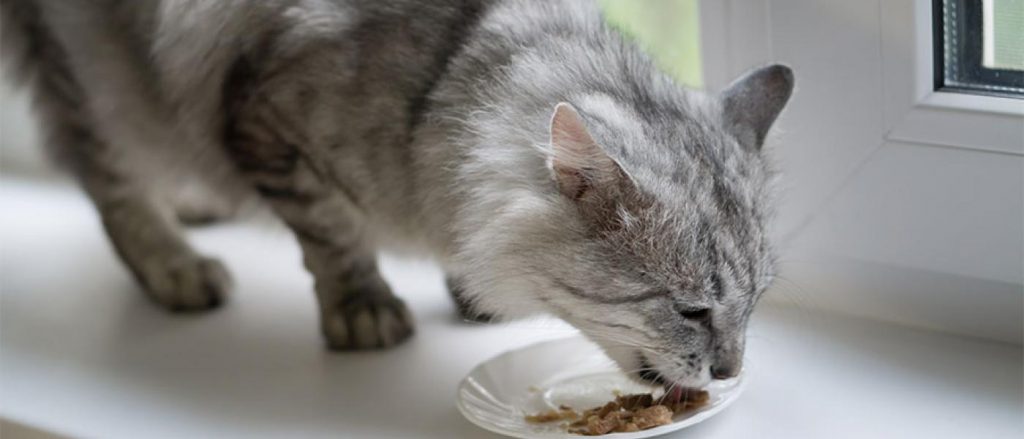
indoor cat eating

There’s no question that cats that have an indoor lifestyle are much safer when protected from outdoor predators, social challenges and diseases. But they need additional mental and physical activities and the right indoor cat food diet specific to their everyday needs to ensure they don’t put on weight and lead happy and healthy lives.

1. Find the Best Indoor Cat Food

Cats are carnivores. But, because they tend to be less active, the best indoor cat food will contain the following ingredients:

  • Very digestible high-quality protein source as the #1 ingredient.
  • Calorie count is lower than standard recipes for weight management.
  • High fiber to aid digestion, control hairballs and help manage a healthy body weight. Plus, prebiotics (chicory root) and probiotics (all the fermentation products listed on the ingredient panel) to help reduce litter box odor.
  • Natural proteins that have the 11 essential amino acids cats require including Taurine, a dietary essential. Taurine deficiency in cats can cause a host of issues such as blindness, cardiomyopathy and heart failure, inadequate immune response and reproductive failure. 
  • Rich is essential fatty acids – Omega 3 and Omega 6 keep a cat’s skin and coat healthy. 
  • Essential vitamins and minerals such as zinc, copper, thiamine riboflavin and pyridoxine for optimum body and immune function.

2. Control Feeding for Weight Management

Cats are nibblers and love to come and go to the food bowl. But, it’s important to control their daily allowance by measuring portion sizes and not free-feeding to ensure they don’t overeat.

  • Always use a standard measuring cup.
  • Don’t heap it – that’s extra food and extra calories!
  • Indoor cats are less active. So, weight management is key. Overweight cats are more prone to serious health issues such as diabetes, heart disease and renal failure. Wellness CORE Indoor Deboned Chicken, Turkey and Chicken Meals recipe has 10% less calories than CORE Original recipe. It’s formulated to support the needs of indoor living with less fat and high levels of Omega fatty acids to nourish skin and coat and contains natural fiber for weight management
  • If your cat prefers seafood flavors, try CORE Indoor: Salmon & Herring which offers guaranteed levels of glucosamine and chondroitin, omega fatty acids and probiotics, to help indoor cats thrive.

3. Address Excessive Grooming with a Diet for Hairballs

Shedding is largely influenced by the number of hours a cat is exposed to light in a day (called a photoperiod). Cats who live indoors, especially when they’re in homes with both heat and air conditioning, can be in a constant state of shedding because their biological system becomes confused by temperature controls.

  • Cats are efficient self-groomers. But when they groom themselves, they can ingest loose hairs, which cause hairballs. These, in turn, can lead to a dangerous intestinal blockage. 
  • In addition, excess dead skin and hair forms knotted clumps and mats. 
  • A diet specially formulated for hairball control such as Wellness Hairball Control with Wholesome Grains: Chicken Meal & Rice formula offers a precise blend of natural fiber formulated to help move hair through the digestive tract plus guaranteed levels of Omega Fatty Acids from flaxseed and added vitamin E for skin and coat health.

4. Vary Dry Food Protein Options 

  • Chicken and turkey are considered easily digestible proteins for indoor cats.
  • Read labels to gauge protein amounts. Veterinarians recommend between 35%-40% protein for their daily intake.
  • Be sure there is always fresh water alongside the food bowl so that cats can remain properly hydrated.
  • Apart from those options listed under Grooming above, the Wellness lineup includes the following high-quality protein recipe options: 
    Complete Health Indoor with Wholesome Grains Deboned Chicken & Chicken Meal.
    This recipe contains healthy fiber and L-Carnitine to support cats with a less active lifestyle. The food also helps maintain healthy hips and joints with added glucosamine and chondroitin as well as shedding support with Omega Fatty Acids for healthy skin & coat. 
  • CORE RawRev Indoor + 100% Raw Turkey: This recipe has been formulated with optimal levels of fat and calories to support cats with a less-active indoor lifestyle. This high-protein, grain-free kibble is also combined with pieces of 100% freeze-dried turkey liver to provide a boost of protein, enzymes and minerals in their most natural state.

5. Add in Wet Food Options 

Wet foods offer cats much needed moisture to help remain healthy since many cats do not have a high thirst drive. Popular indoor lifestyle menu options include: 

  • CORE Pâté Indoor Chicken & Chicken Liver 
    Formulated with lower fat levels for cats who live an indoor lifestyle. It’s made with wholesome ingredients that are free from grains, carrageenan, artificial colors, flavors or preservatives to give your cat the energy it needs to thrive.
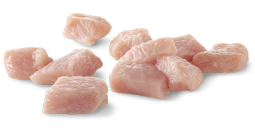
  • CORE Hearty Cuts Indoor Chicken & Turkey 
    This recipe has thick meaty cuts of chicken and turkey in a rich, delicious gravy mixed with superfoods such as carrots and spinach. It’s also lower calories to help indoor cats achieve and maintain a healthy weight.
  • Some veterinarians recommend a wet food diet for a cat prone to Feline Urinary Syndrome/Feline Lower Urinary Tract Disease (FUS/FLUTD) to help increase water intake and urine volume.

6. Feed A Combination Diet

Cats are often labelled finicky eaters. But in fact, they just have their favorites in terms of both taste and texture. They are also smart. So, giving them a diet of wet and dry food allows them to eat their wet food while its fresh and palatable and save the dry portion of their meals for little nibbles throughout the day.

7. Add Vertical Space for Your Indoor Cat

A tall cat condo or cat tree can greatly improve the lifestyle of an indoor cat as going vertical gives them more ‘real estate’.

  • Vertical space gives cats a place to escape for some privacy and a quiet nap. And, climbing up and down keeps them active.
  • Some cat trees even have food bowl attachments for high-rise eating which means your feline has to burn some calories at meal times.
  • Place at a window overlooking a garden or street view to keep them engaged with outside activity.

8. Use Food Puzzles and Games

Puzzles and board games can double up as feeders and encourage cats to work for their food.

  • They offer mental enrichment and physical activity as cats extricate kibble from such products.
  • Take a portion of your cat’s daily kibble allowance and allocate to placing it in such a toy.

9. Ensure Exercise for Your Indoor Cat

It’s important to encourage activity by engaging your cat in games.

  • Teach your cat to play fetch with a small toy that she can easily pick up and carry in her mouth.
  • Wand toys encourage a cat to hone her hunting and pouncing skills – and they get you involved too!
  • Catnip toys rev up your kitty’s inner lion too!
  • Place the food station far away from your cat’s favorite snooze zone encouraging her to walk there and back for meals and daily grazing.

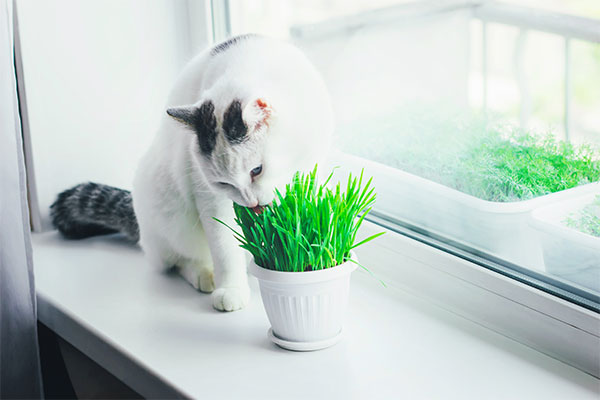
10. Supplement Your Indoor Cat’s Diet With Greens 

cat eating cat grass

Supplement your indoor cat’s diet with fresh greens.

  • You can purchase ready-to-eat wheat grass for your kitty.
  • Alternately, consider growing your own cat grass. For variety, you could grow oats, barley and rye. They are even growing kits in pet stores and online.
  • A fresh catnip plant will also give kitty an exciting snack to nibble on. If your cat is not used to catnip or if you have not used it before, we advise speaking with your veterinarian to be sure they are comfortable with you offering it to your cat.
  • Place your kitty’s edible garden next to a water fountain. Flowing water encourages cats to drink and this is key to a healthy indoor lifestyle.

We’d love to see photographs of your cat and her favorite indoor menu options. Please share your photos with us by tagging #wellnesspetfood and @wellnesspetfood for a chance to be featured on our website or social pages!

4 Protein Options for Dog Food Without Chicken

There are several reasons why pet parents may prefer a dog food without chicken for their adored fur kids. Primarily, it could be that their pooch is allergic to chicken. Secondly, there’s no question that dogs, like people, have their food favorites and may prefer another tasty protein flavor instead. And, this taps directly into the growing trend of rotating menu options and offering dogs a greater variety in the food bowl. After all, dinner time is a great bonding experience with your pooch.

And while we know that selecting the right taste and texture for mealtime enjoyment is important, here are some other reasons to consider a dog food without chicken:

  • Some recipes offer more protein that others and could be a better choice for high-energy dogs that have a very active lifestyle. 
  • Some menu options may offer higher levels of glucosamine and chondroitin than others, a good option for dogs with joint issues. 
  • A recipe with higher levels of Omega 6 and Omega 3 fatty acids could be worth considering for a dog with skin and coat issues.

Here are four dog foods without chicken, all offering high-quality protein sources:

Protein 1: Lamb

lamb as option for dog food without chicken

Pet nutritionists consider lamb to be a popular protein choice for pets that are allergic to chicken or other commonly used protein sources. It is rich in high-quality, digestible protein, and often suggested as a meal for high-energy and very active dogs.

Lamb has a high myoglobin content, making it an iron-rich protein source and is an excellent source of vitamin B-12. 

Lamb is considered an excellent natural source of essential amino acids vital for canine growth, a healthy immune system, muscle maintenance as well as hair and nails and is an excellent source of carnitine for heart health and vital for helping metabolize fats in the body.

CORE SIX Free-Range Lamb Recipe

The CORE SIX ingredients, namely free-range Lamb, Lamb Meal, Peas, Chickpeas, Pea Protein and Canola Oil make this a well-balanced diet. Apart from being completely poultry-free, it also doesn’t contain potatoes making it suitable for dogs with sensitive tummies.  

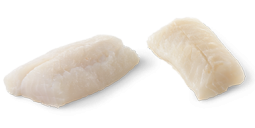
Protein 2: Whitefish

whitefish as option for protein dog food without chicken

The term Whitefish refers to any type of fish that has flaky white meat. Most whitefish such as cod and pollock are low in fat, but have a high amount of protein with lots vitamins and essential minerals. This makes it an excellent protein source for dogs. Whitefish is known for its high phosphorus content which is known to help maintain good bone structure and density in healthy dogs.

Whitefish contains lots of B vitamins–vitamin B12 essential for healthy nerve function and the production of new red blood cells, and vitamin B6 (pyridoxine), for proper protein metabolism. While vitamin B3 (niacin) aids in energy metabolism and helps support the immune system. Plus, whitefish contains nutrients known to promote help promote healthy brain function.

CORE RawRev Wholesome Grains Ocean + 100% Raw Fish

This poultry-free fish dinner combines high-protein, fish-based kibble with pieces of 100% raw whitefish for a balanced meal that is naturally rich in omega fatty acids to help promote healthy skin and a shiny coat. The raw fish pieces have been freeze-dried using the latest technology making it a safe and a convenient way of offering pets crave-worthy taste with the benefits of raw protein as a part of their regular diet. Wellness CORE RawRev contains no artificial ingredients, colors or preservatives. This single-source protein recipe is a great food option for dogs with chicken-sensitivities or those who enjoy the taste of seafood.

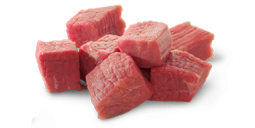
Protein 3: Beef

beef as protein option dog food without chicken

Beef has always been a popular protein choice for dogs because it has a well-balanced nutrient profile containing a wide range of vitamins including essentials like B1 (thiamine), B2 (riboflavin), B3 (niacin), B6 (pyridoxine) B9 (folic acid) and B12 (cobalamin), as well as minerals like iron, phosphorus and zinc and amino acids considered crucial for strong bones and building cartilage. Beef is an excellent source of carnitine including L-Carnosine for heart health and vital for helping metabolize fats in the body.

CORE Simply Shreds Mixer or Topper Tuna, Beef & Carrots

This recipe comes in a pouch and is designed to be served as a healthy snack as part of a dog’s daily calorie intake or as a meal mixer to add additional flavor and protein to kibble. It’s made from five simple ingredients, with the tuna and beef proteins shredded and added to the diced veggies in a savory broth. 

Protein 4: Turkey

turkey as protein option dog food without chicken

Turkey is a lean meat known to be a very digestible, high-quality protein source for dogs. It is rich in B vitamins and loaded with minerals such as selenium which is known for its antioxidant properties. Plus, turkey is high in zinc as well as phosphorus. Phosphorus is essential for strong, healthy bones.

While turkey is considered poultry, its nutrient properties are different from chicken making it a safe protein alternative for chicken-sensitive dogs. 

CORE 95% Turkey with Spinach

This complete and balanced recipe features turkey as an antioxidant rich, single-source protein. Spinach is considered a superfood as its rich in magnesium and iron and the recipe is fortified with Omega 3s obtained from flaxseed. The recipe is grain-free and has a creamy pate-style texture making it suitable as a complete meal or topper on kibble for additional flavor and a protein boost.

Do you have a dog that enjoys any of these recipes? Please share your photos with us by tagging #wellnesspetfood and @wellnesspetfood for a chance to be featured on our website or social pages!

join our community

About This Page

Topic:

Diet 건강 관리 및 맞춤 영양 식단

Date:

20/04/2020

    Be the best pet parent you can be. Join for expert advice.

    Sign Up