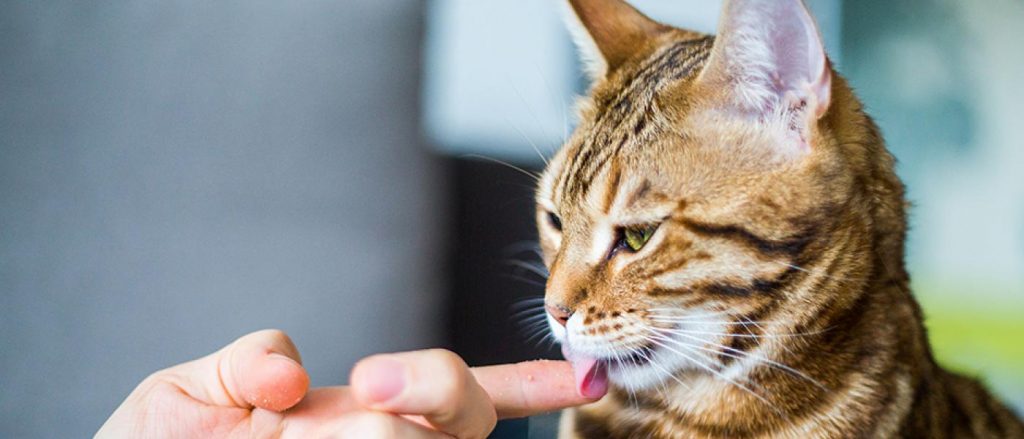
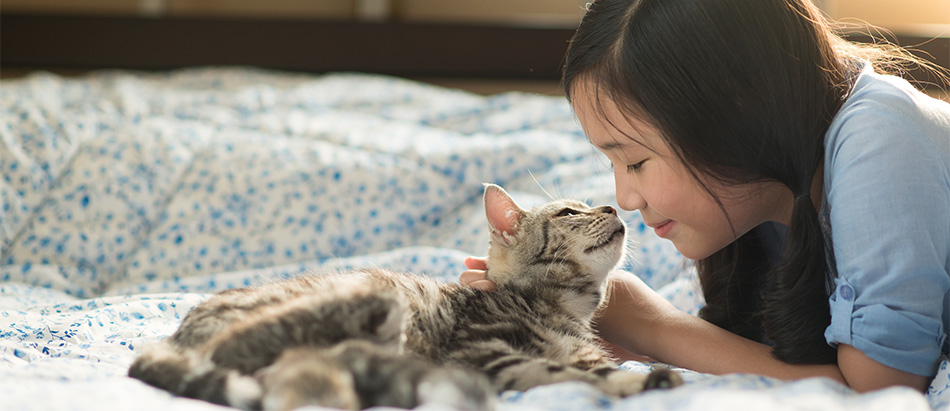
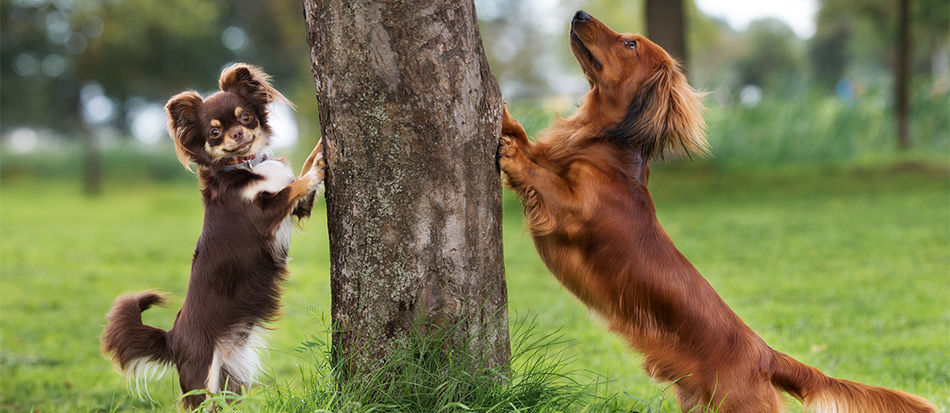
Cookouts, parades, and fireworks are mainstays of July 4th celebrations but they’re not so fun for your dogs and cats. Since dogs and cats often panic at loud noises – vacuum cleaners, thunder – it should be no surprise that fireworks won’t be fun for them.
Yet, every July 4th, well-meaning pet lovers, take their pups to fireworks celebrations or let their pets run loose at home. Many of these animals panic and run. They’ll run through open doors or gates, down the street and get disoriented because of all over town, these mini-explosions are happening.
Imagine the nightmare. Many of these animals will end up at a pet shelter, lost and confused. Sadly, only a small percentage will make it back home.
This year, the holiday is on a Tuesday which means the celebrations are likely to start days early and it’s a good idea to think about your pet’s safety ahead of time. You might even establish ground rules with your family.
Dog and Cat Pet Safety Tips
Secure Them
Since you know Fluffy and Max are terrified by fireworks, make sure you have a secure location for them in the evenings. Some animals like their crate, if that’s the case, you can put your pet in his or her crate before the fireworks start, put a towel or blanket over the crate for an added feeling of protection, and play some quiet music.
If your pet isn’t crate trained, you can put him or her in a bedroom or another room and close the door. If you have a confined, low traffic space, your pet is less likely to get out and more likely to stay relatively calm.
If you have an indoor/outdoor cat, you’ll want to make sure kitty is in before the explosive festivities start. A panicked pet isn’t always able to find their way home.
Photograph Them
If they DO get lost, make sure you have a current photo so you can post it on social media and make posters for your neighborhood. Now, if you’re anything like us, your phone is already filled with cute pics of your pet so you’re probably covered in this department.
ID Them
Current ID Tags and microchipping can help reunite you if your pet gets out as long as these are intact and legible. Take a few minutes and look at your pet’s tags. Is the address and phone # correct? Can it be read? If not, replace them as soon as possible.
If your pet is microchipped, it’s worth checking the database to ensure the address and contact # is correct. If your pet was lost and wound up at a shelter, they’d check for a microchip to locate you. If you’re not sure if your pet is microchipped, you can call your veterinarian to see if they have a record of it and which company it’s with.
Be Proactive
While you know your dog and cat better than anyone, it’s better to take extra precautions during this time of the year. Even the most relaxed dog could bolt through an open gate at the explosion and hiss of fireworks.
You can’t blame them. They don’t understand.
With a few simple precautions, you can ensure you and your family have a wonderful July 4th holiday – including your furry family members.
Summer is here, so bring on the backyard BBQs, right? There’s nothing like the camaraderie of being outdoors, enjoying fire-grilled hotdogs and hamburgers, of mopping up puddles of BBQ sauce with a slice of white bread, or of eating corn right off the cob. Memories are made watching children and puppy dogs bound through sprinklers at these fun summer events. To ensure every summer BBQ moment you have this summer is magical, make sure you know what the summer BBQ pet do’s & don’ts are.
Don’t Let Your Pet Near the Grill
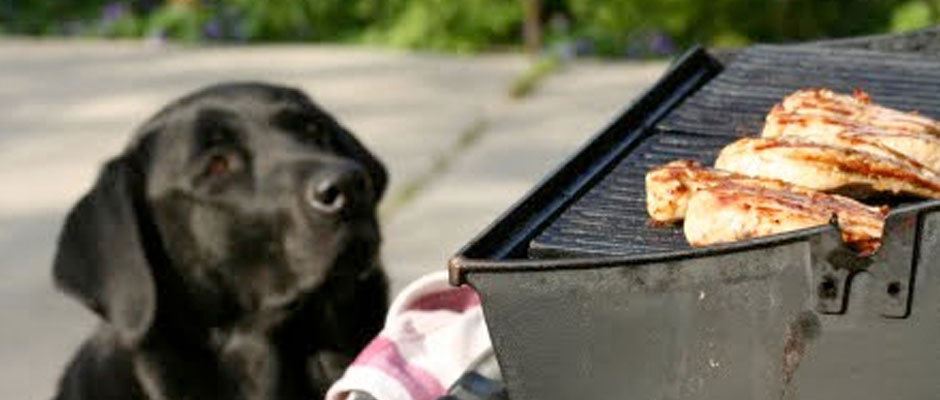
What’s a backyard BBQ without firing up the grill? Let’s be honest…food tastes better when it’s grilled; however, grills pose a danger for cats and dogs. Whether you’re cooking on a gas, propane, or charcoal grill, open flames are dangerous and it’s important to keep the grill monitored at all times.
A curious cat can easily burn a paw (or worse) trying to bat a hotdog off the burner. Meanwhile, pouncing pups have been known to become injured (and even to knock over the entire grill) leaping to pull off a nibble while the grill master’s back is turned. Pets and humans alike can sustain injuries when grills are left unattended.
Do Keep Your Trashcan Covered
The outdoor trashcan collects a lot of rubbish from lighter fluid to bamboo skewers to meat wrappers to matches and everything in between. The lure of an open trashcan is almost too much for any dog to resist; however, your dog can’t differentiate between a meat wrapper that has lighter fluid on it versus one that doesn’t. Choking and illness are very possible when the trashcan is left open.
Do Use a Natural Insect Repellent
Humans and pets alike need to avoid insect bites during the summer (especially dogs as heartworms are carried by mosquitoes); however, repellents containing DEET are harmful to dogs. Consult your vet for something that’s pet-friendly; for example, Avon’s Skin So Soft bath oil is a known insect repellent and is recommended by many veterinarians.
Don’t Feed Your Pet These Foods from Your Plate
When the grilling is finished and it’s time to eat, it can be tempting to give your dog a nibble from your plate; however, many BBQ staples can do extreme harm to your pet.
If you give a dog a bone, you run a serious risk of damaging your dog’s internal organs. Cooked bones break up easier; the shards can be very dangerous once ingested.
Alliums (onions, garlics, chives, etc.) are known to be poisonous to dogs and will make your pet sick.
Corn on the cob is a choking hazard for dogs or, if ingested, can cause bowel obstruction.
That said, there are some foods that are safe—just make sure they aren’t still hot when you serve them. Such foods include:
Hotdogs cut into pieces
Grilled sweet peppers, zucchini or sweet potato
Lean chicken, fish, or steak (spare the spice rub, though)
Chilled seedless watermelon
So, there are ways for your pet to enjoy the spoils of the BBQ without getting sick; however, it’s best to advise your guests in advance what your dog can and cannot eat as well as to train your pet not to beg or to jump on the table.
Do Have a Good Time
When you know how to have a safe time at a BBQ, you can easily have a fun time. By keeping the water bowl full, feeding your pet safe snacks, attending to grill safety, and keeping the trashcan closed, you and your pet can make nothing but happy, lasting summer BBQ memories.
Between the BBQs, keep your pet’s diet balanced withWellness Pet Foods’ all-natural foods and treats.
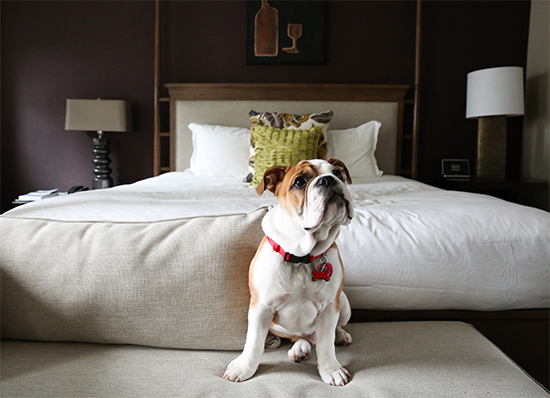
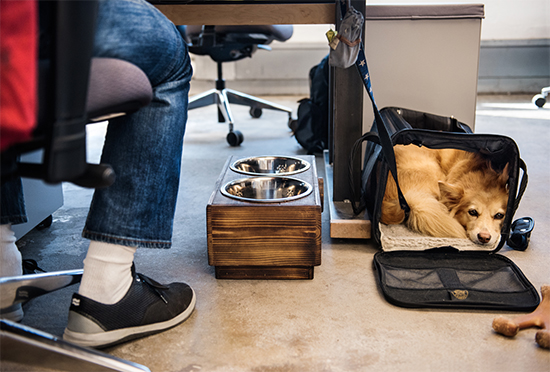
Kimpton Hotels (San Francisco, CA) – At every Kimpton boutique hotel, the pet policy is a simple one: if the pet can fit through the hotel doors, they’re welcome to stay. At a minimum, all 60 hotels provide water bowls, treats, pet beds, toys and pooper-scooper bags. Some have Directors of Pet Relations (pets!) who greet guests and test the pet amenities.
via Kimpton, Adela Lee
Tradesy (Santa Monica, CA) – The peer-to-peer marketplace has over 30 dogs that come to work on a regular basis. Dog owners choose a dog “buddy” who promises to help watch or walk their pup on busy days or during meetings. They also feature a Pup of the Month and have quarterly Dog Owner Town Hall Meetings where all of the dog owners get together to plan fun events. It also offers pet insurance as part of its benefits program.
Via Tradesy
Life is Good (Boston, MA; Hudson, NH) – Dogs are an integral part of the day to day team at Life is Good. The company says that dogs are not only humans’ best friends, but best co-workers—they encourage employees to get up from their desk for quick breaks and connect people who otherwise might not get to know each other.
Via Life is Good
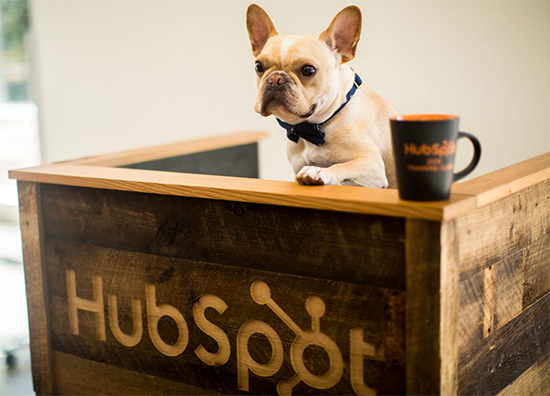
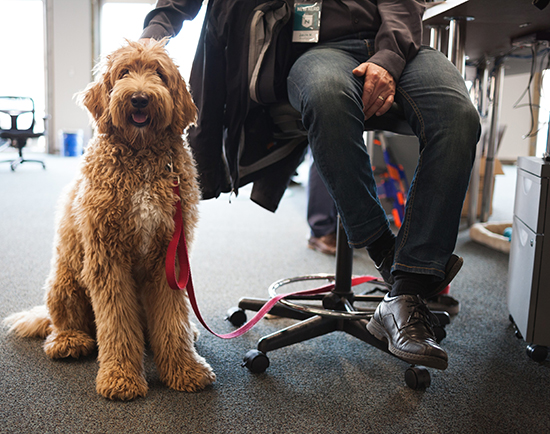
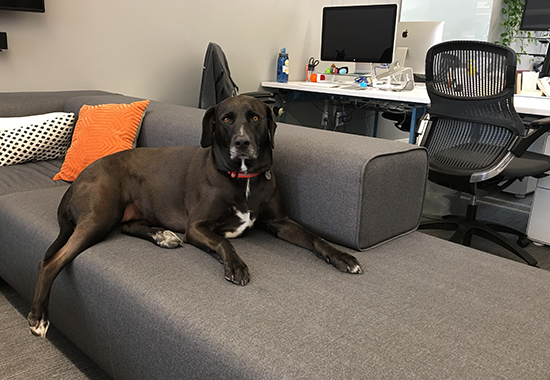
HubSpot (Cambridge, MA) – Its headquarters is dog-friendly, and you’ll often see pups wandering the halls with their owners, including the company’s CEO and his dog Romeo. This year, the software company put out a “PupSpot” calendar featuring dogs from the office, and donated a portion of the proceeds to local animal shelters.
Via HubSpot
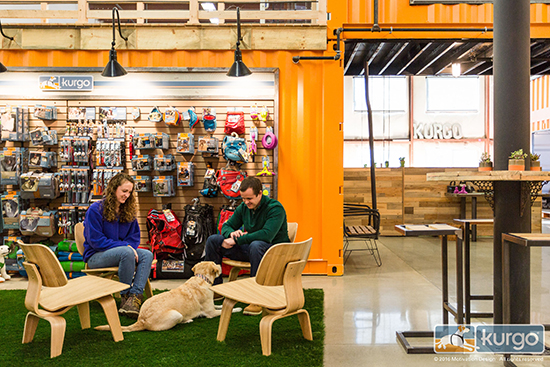
Kurgo (Salisbury, MA) – Kurgo, which makes apparel, gear and accessories for dogs, not only allows pups in their offices, but features them on the company website, too! They include Garp, “The Escape Artist,” and Baxter, “The Office Lap Dog,” among many other pup-loyees.
Via Kurgo
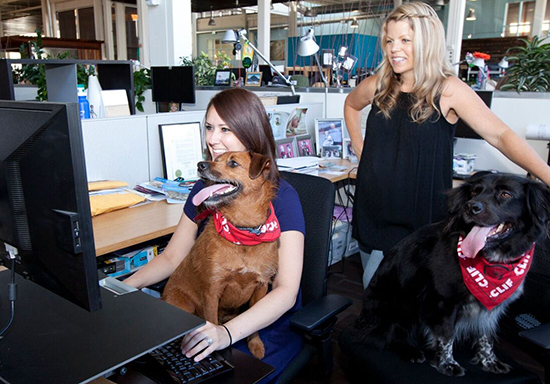
Clif Bar & Company (Emeryville, CA) – The company is in its 25th year as a business, and they’ve had a dog-friendly headquarters since its start. The reason? The company says it helps employees live full, complete lives at work, creates community, and helps people save time and money.
Via Clif Company
Etsy (Brooklyn, NY) – Its dog-friendly office policy has been in place since Etsy began in 2005, and it’s one of the ways the company strives to maintain a casual, creative, and inspiring work environment. The online marketplace says it keeps spirits high and fosters a sense of community and connection.
Via Etsy, Emily Andrews
The Nerdery (Minneapolis, MN) – In addition to allowing dogs in the company’s headquarters in Minneapolis and across offices in Phoenix, Chicago and Kansas City, the software company is also committed to pets in need. The Nerdery Foundation has had the opportunity to create pro-bono websites for 207 nonprofit organizations, including 10 pet-focused nonprofits.
Via Nerdery, Mark Ross
Bitly (New York City) – All of Bitly’s offices, in New York, San Francisco and Denver, are dog friendly on Take Your Dog to Work Day and every day of the year.
Via Bitly
Pet Sitters International launched Take Your Dog to Work Day® in 1999 to celebrate the great companions dogs make and to promote their adoptions.
50% of senior dogs develop cancer. The number isn’t quite as high for cats but it does happen. Like with people, there are a variety of cancers that can affect your beloved pet and as you probably know, many cancers can be treated if caught early.
May is National Pet Cancer Awareness Month, so it makes sense to share a few cancer symptoms that pet lovers should be aware of.
There are a few symptoms that specifically skew toward cancer which I’ll share in a moment. Unfortunately, the other cancer symptoms can seem a little generic – weight loss, change in energy levels, etc. so don’t panic if your pet shows these signs, but do make an appointment with your veterinarian to have your pet evaluated.
3 Typical Cancer Symptoms
1—Unusual lumps and bumps – one common cancer for both dogs and cats is lymphoma, this is a cancer of the lymph nodes which are located throughout your pet’s body. The lymph nodes are part of the lymphatic system which works to filter toxic substances out of the body.
Individual lymph nodes can swell up to be the size of golf balls so they can be very noticeable. In cats, lymphoma is linked to feline leukemia virus. There’s a vaccination against feline leukemia, which can protect your cat.
2—Visible sores on the skin – mast cell cancer is a type of skin cancer that can create noticeable lesions on your pet’s body. Now, since skin problems is one of those “generic” concerns that can mean all kinds of things, you’ll want a specialist to evaluate your pet. Plus, since this is a kind of cancer with multiple classifications, finding out what you’re dealing with is your best shot.
3—Unusual bleeding – whether from the eyes, nose, mouth, or in the urine, bleeding or unusual discharges are a sign of sickness.
Other possible cancer symptoms include a bad smell emanating from the body or mouth. Plus, weight loss, extreme change in energy levels – from happy and active to sluggish all the time.
Pet Cancer Prevention Tips
A healthy lifestyle can go a long way toward keeping your pet feeling great so keep them at a healthy weight, get regular exercise, and feed a quality diet. The basics are powerful.
Speaking of a healthy diet, when you include anti-inflammatory ingredients like blueberries, salmon, and other good-for-your-pet ingredients in your pet’s diet, you can reduce inflammation. As you may know, inflammation is a leading cause of disease.
Now that you know some of the typical pet cancer symptoms, you can keep an eye on your pet and make a note of any unusual behavior. As always, regular wellness visits with your veterinarian can help catch cancers and other diseases early. Twice a year visits for pets 8 and older is recommended unless your vet says otherwise.
Pam Johnson-Bennett is a certified cat behavior consultant, best-selling author of 10 books and host of Animal Planet UK’s Psycho Kitty. With the release of her latest book, CatWise, she is currently on the national CatWise Cat Cafe Tour presented by Wellness.
Cartoons and social media memes often portray the finicky feline image. It’s common to see the picture of a cat turning his nose up at the vast array of food his loving cat parent has set out for him in a desperate attempt to please the picky kitty. You don’t see those images of dogs very much at all though. Fido comes running at record speed, leaping over furniture to get to his bowl of food, no matter what kind is being served. So, are some cats really finicky? If so, what contributes to the behavior? Here are some reasons why it may happen and what you can do to help prevent the behavior.
Cats are Creatures of Habit
Finicky eating may happen as a result of a sudden change in meals. Cats take comfort in familiarity and that applies to just about everything in their life – territory, the litter box, where they sleep, and yes, their food. When a cat goes to his food bowl he expects the meal to smell and taste the same as previous meals. Even the texture of the food is important. If you make a drastic change, especially going from one particular texture to an entirely different one, it can be enough of a curveball to cause a cat to reject the food. Changes should be done gradually by adding a little of the new food into the current one so your cat has time to adjust.
I’ve seen cat parents buy so many brands of food and then open a new kind every day in the hope that kitty will like the latest and greatest flavor. What usually happens though is that the cat gets stressed and confused by all the drastic and abrupt change.
Cats are Hunters and not Scavengers
A cat uses his nose to detect the temperature of food to determine whether it’s fresh. His nose is an important tool in pre-tasting a potential meal. For a cat who must rely on his hunting skills for food, this is an important safety feature to help ensure that he doesn’t accidentally ingest spoiled food. Your cat uses that same safety feature even though his meal is conveniently served to him. If food is left out too long, however, a cat will often reject it because it no longer smells or tastes fresh. This can be the case if you place wet food down for your cat to nibble on at his convenience. He may not come to the feeding station right away and by the time he does make his way there, the food may be too dry or hard. This mistake can even be made with dry food if a mound of it is left in the bowl for so long or if you just top it off without ever emptying uneaten food. If it has been sitting too long, it goes stale.
Don’t serve cold food straight from the refrigerator. The temperature is uncomfortable for the cat’s stomach and it also won’t release enticing aromas. Cold food is a common contributor to finicky eating, as is heating food in the microwave to an unsafe temperature.
Bribery, Begging and Bad Choices
Finicky eating may also develop if you’ve fed your cat from the dining table. Why should kitty eat his own food when he can get his fill of rich, spicy food off your plate? Feeding your cat from the table means he won’t have enough of an appetite for his own food. In addition to finicky eating, this type of behavior also means the cat won’t be getting the appropriate nutrients and may even be getting foods that are harmful to him.
Some cat parents try to entice their cats back to the food bowl by mixing in bits of tasty food from the table. What often happens is that the cat starts eating around his food instead.
Stressful Mealtime
In nature, a hunter makes sure he’s in a safe location before he begins to eat. That precaution is necessary for survival and even the most pampered indoor cat has that instinct as well. Mealtime should be a time of security, calm and safety. If the feeding station is located in a chaotic area of the house, the cat may not feel comfortable to sit and finish his meal or maybe he’ll develop the habit of just nibbling now and then when the coast appears to be clear.
Stress can also be related to the type of food bowl you use. A bowl that’s too narrow may cause discomfort to his sensitive whiskers if they get bent or squished. The cat may develop the habit of paw-dipping to get food.
If you have a multicat household, it’s very important to ensure the feeding station for each cat provides safety and peace. If there’s tension between the cats or if one cat intimidates at the food bowl, it can create a situation where a more timid cat may become a finicky eater.
Cats have a social structure but they’re not social eaters the way people are. We love to gather around the table and socialize as we dine, but for cats, the security of the resource is more important. To help encourage healthy appetites and stress-free dining, make sure each cat has their own food bowl and don’t place them close together. In some cases, you may even need to have multiple feeding stations in various locations in the home or feed on different levels. For example, if an older cat has started to reject his food because he prefers the taste of his new companion’s kitten formula food then you must make sure to either supervise during mealtime or feed the cats separately. If the older cat is not as mobile, you might be able to feed the kitten in an elevated location.
The key is to evaluate your specific set-up, pay attention to the dynamics between your cats and make adjustments to create a more peaceful mealtime.
Feeding Station Maintenance
Dirty food or water bowls can contribute to finicky eating. Remember, cats rely on their noses to determine if food is safe. Even fresh food won’t taste fresh if it’s placed in a dirty bowl or if it’s sitting next to the water bowl that has bits of old food floating in it. Wash the food bowl after every meal and clean up any food spills. Wash the water bowl every day and replenish it with fresh water.
Negative Associations
For some people, the thought of medicating the cat brings images of engaging in feline wrestling while trying to avoid becoming the target of a sharp claw or tooth. To make it easier, the cat parent may try to disguise the medication in the food. Sadly, this practice often backfires because the cat’s incredibly sensitive nose is often able to detect the food manipulation before the first bite. If the cat does start to eat, the medicine may ruin the taste of the food enough to cause future rejection. Some pills, for example, are very bitter and meant to be swallowed intact so the protective coating can remain until the medicine reaches the cat’s stomach. It’s very sad to see a cat no longer want to eat the food he has always loved because of this unpleasant association.
If you have to medicate your cat and are unable to do it, talk to your veterinarian about other options. Your veterinarian or veterinary technician can show you several techniques for administering medicine. There are also soft treats available that are manufactured specifically to hide pills. Some medications can be compounded into transdermal forms or can be flavored with tastes that are cat-appealing. Don’t resort to hiding medication in food.
Pam Johnson-Bennett is a certified cat behavior consultant, best-selling author of 10 books and host of Animal Planet UK’s Psycho Kitty. With the release of her latest book, CatWise, she is currently on the national CatWise Cat Cafe Tour presented by Wellness.
Are you unsure whether your cat likes her food? Maybe you can’t figure out what her body language is saying as you prepare and serve the meal? Here are some signs that indicate your cat is giving her seal of approval. Keep in mind that your cat may not do all the following behaviors, especially if she is not as mobile, has a medical condition or impairment. Every cat is an individual but the following list sums up the typical behaviors cats show when they’re happy and content with their food.
Your cat instantly appears when you’re preparing food. No matter where she is in the house, she suddenly shows up when you open the can, pouch or bag of food.
As you prepare food, your cat weaves around your legs, reaches up and stretches against you or even jumps on the kitchen counter in anxious anticipation.
Your cat purrs or meows as food is being prepared.
She does a “happy” walk to the bowl with an upright tail. There’s no slinking body posture or hesitation.
She may chirp or let out a happy “mew” as she heads to the bowl.
The cat’s ears are forward or relaxed but not pinned back or in “airplane wing” position.
There is no hesitation to eat. She may sniff for a second or two and then indulge in her meal.
There is no walking away or head-turning after sniffing the food.
She doesn’t cry or issue a complaining meow.
The cat will have a relaxed body posture while eating.
The cat’s tail is not thrashing or thumping the ground.
There is no growling while eating.
If you’ve fed the appropriate amount, the bowl will be left clean.
The cat who likes her meal will not eat around certain ingredients.
Since 2006, April 11th has been celebrated as National Pet Day. This day was brought about to highlight the unconditional love that pets bring to our lives and also to encourage and raise awareness for animal adoption. There are so many animals around the world who are sitting in shelters, waiting to be given a second chance at life and these same animals have the potential to bring so much light and love into the lives of their owners – anyone who has adopted a shelter animal doesn’t need a national day of observance to know that the love of a pet should be celebrated.
Ways to Celebrate National Pet Day So, how can you celebrate this national holiday? Well, your pet would probably be happy with just an extra belly rub, but we’ve got some other ideas that your pet (or future pet) is sure to love!
Throw in an extra daily walk – Going on daily walks is most likely one of your dog’s (or cat’s) favorite activities, so why not throw in an extra one or maybe even just make today’s longer than usual? Your pet is sure to appreciate it!
Plan a play date – This is a great idea for the dog in your life. Dogs love a good romp in the yard with a fellow furry friend and it’s also great exercise! Your dog will be pleasantly surprised when Rosco shows up at the front door. “Mom, you shouldn’t have!”
Volunteer at a local animal shelter – Do you know how happy you can make a shelter animal just by simply showing up and giving them some love and attention? Bonus points if you call ahead and find out what the current needs are for that shelter – a warm bed goes a long way for an animal.
Stock up on new toys – Has your dog or cat been playing with the same toys for as long as you can remember? Today is a great day to pick up some new toys for your pet – complete with some quality play time!
Schedule a professional photo session – As we all know, our pets won’t be by our side forever and having professional photos taken is a great way to capture your pet’s personality. These photos will forever be a special keepsake.
Spread the love on social media – One way to inspire others to consider pet adoption is simply to share your story of adoption on social media. A great example of this comes from Alaqua Animal Refuge, an animal shelter located in Florida. Find out how you can join in on the #everyoneneedsabuddy campaign!
Take a trip to the dog park – Trips to the park are probably what dog dreams are made of, so National Dog Day is the perfect day to make your dog’s dreams come true. And this also is a great way for your dog to get the exercise that he needs.
Try something new with your pet – Maybe you’ve always wanted to train your cat to walk on a leash – that’s actually a thing! Or maybe you’ve always wanted to teach your dog to play Frisbee. Whatever it is, today is a great day to learn something new with your pet and strengthen your bond.
Adopt a pet – Bringing a new pet into your home is a decision not to be taken lightly, but if you are in a place where you feel ready for a new pet, why not do it on National Pet Day? It’s always a good day to save an animal’s life and we can assure you they’ll return the favor – every single day.
Happy National Pet Day, everyone! We hope that you and your pet enjoy this day together. Spread the love for your pet and help us to raise awareness about animal adoption!
You don’t have to be a Birkenstock wearing, tree-hugging hippie to appreciate Earth Day. We all enjoy clean water, fresh air and litter free streets, and Earth Day is a chance to show our appreciation.
Here’s how you can minimize your pet’s carbon footprint with “green” toys and accessories.
“Green” Toys and Accessories
Make Your Own – It doesn’t get much greener than that! From cardboard paper towel tubes to single mittens repurposing things around your home is the ultimate in recycling. For tips on “make-it-yourself” pet toys, see this post. (with a link to the recent post.)
Choose Toys Made of Eco-Friendly materials – some companies make pet toys out of recycled plastic bottles and milk jugs which not only help keep thousands of bottles out of the landfill but also make durable toys.
Imagine if your pet’s favorite chew toy was made with enough recycled plastic to also power your laptop for a month! Now that’s streamlining!
No matter what toys your pet likes best—balls, squeaker toys or rope tugs there’s something eco-friendly to chew on for everybody.
Go Organic Organic cotton collars, leashes and bedding can reduce your pet’s exposure to harsh chemicals. The reason this matters is that traditional cotton may be treated with pesticides. Some pets develop skin irritants like red, itchy spots that you can see. Others aren’t as sensitive, but some scientists think long-term exposure to pesticides like these can raise dogs’ risk of cancer.
Protect your pet with organic cotton in stylish patterns.
Buy Large
Larger bags and cans of food mean less packaging waste and less energy spent producing said packaging. Buy larger containers when you can and recycle the packaging for a lighter footprint. Of course, you want to make sure the food inside is good for your pet too. Choose foods with plenty of vegetables and a named protein source like beef or fish.
Earth Day is an annual holiday that encourages us to respect and care for the home we all share. This year, we challenge you to consider your four-legged friends when making your Earth Day resolutions.
7 Ways to Celebrate Earth Day Year Round with Your Pets
1—Recycled pet toys – From cat trees to stuffed animals, there are tons of pet toys made from bottles, paper and other materials salvaged from the landfill. One great option, the Kitty Scratch Pole, is made in the U.S.A. from recycled materials and can be used indefinitely by replacing the refillable, recycled cardboard discs that come with it.
2– Pet-friendly shampoo – There are dozens of pet shampoos on the market, but the eco-friendly option is to choose a pet shampoo made with natural ingredients which are safer for the environment and for your pet.
3-Use biodegradable bags—Grocery bags take hundreds of years to break down in the landfill. Using biodegradable waste bags is the more earth-friendly option. If you can compost the waste–that’s all the better.
4—Clean with vinegar – Max have an accident indoors? Grab the white vinegar to clean up. Vinegar and baking soda are time honored cleaning products. You’ll reduce your use of harmful chemicals and get the job done effectively.
5—Take your dog for hike—Most dogs love to get outside, enjoy some new sniffs and meet new friends. If hiking isn’t possible, go to a dog-friendly park and enjoy the Spring air.
6—Clean out your closets – Donate old towels, blankets and bedding to a local animal shelter. The animals and volunteers will thank you.
7–Choose quality food – When your pet eats nutritious food, more of the nutrients are used within the body which results in less waste.
What are your favorite earth friendly ways to celebrate Earth Day? We’d love to hear your ideas on our Facebook Page.
The technical storage or access is strictly necessary for the legitimate purpose of enabling the use of a specific service explicitly requested by the subscriber or user, or for the sole purpose of carrying out the transmission of a communication over an electronic communications network.
Preferences
The technical storage or access is necessary for the legitimate purpose of storing preferences that are not requested by the subscriber or user.
Statistics
The technical storage or access that is used exclusively for statistical purposes.The technical storage or access that is used exclusively for anonymous statistical purposes. Without a subpoena, voluntary compliance on the part of your Internet Service Provider, or additional records from a third party, information stored or retrieved for this purpose alone cannot usually be used to identify you.
Marketing
The technical storage or access is required to create user profiles to send advertising, or to track the user on a website or across several websites for similar marketing purposes.