



Image

Dr. Alison’s Top Tips On Keeping Your Pet Safe On The Fourth of July

It is amazing how quickly the Fourth of July has come around. Next week people around the country will be celebrating the birth of our freedom with BBQs, parties, celebrations and fireworks. Although this is a very exciting holiday and time for us, it can be a very dangerous and scary time for our pets. As a small animal veterinarian, this is one of the busiest times of year for seeing pet emergencies at the animal hospital. So, today I would like to give you my top tips on keeping your pets safe during the Fourth of July holiday. Let’s get started!

Keep Your Pets Away Indoors and Away From Fireworks

Many pets are terrified of the loud sounds of fireworks. They can show mild signs of anxiety like hiding, and more severe signs like destruction, shaking and harming themselves. If your pet has a fear of fireworks make sure to be prepared. If possible, bring them to a place where the fireworks cannot be heard. I recommend not taking them with you to the fireworks display, even if your pet is not fearful of loud sounds. In areas with many people and loud sounds, your pets may become frightened and show unpredictable behaviors. Leaving your pet in the comfort of their home is always a safer bet. 

BBQ’s and Parties Can be Dangerous for Your Pets

The Fourth of July is a big holiday for BBQs, but these cookouts can be harmful to our pets. I see a lot of upset stomachs during this time of year because of table scraps and foods that guests give pets.

Dogs and cats are used to eating the same food every day. Their gastrointestinal tracts develop a natural flora or bacteria, that specifically digests their regular food. When they get something that they aren’t normally accustomed to, such as burgers or hot dogs, they can develop severe inflammation with vomiting and diarrhea.

It can also lead to more serious conditions such as pancreatitis. In addition to an upset belly, many of foods in large quantities are toxic to our pets, such as grapes, onions, garlic and raisins. Grapes and raisins are safe for cats, but keep onions and garlic away from them. Some cookout foods can also be a risk of choking or obstruction such as corn on the cob, fruits with pits, and foods with bones, toothpicks or skewers. Make sure to talk to any guests, especially kids, before summer parties and remind them not to feed your pets any food. 

You want to enjoy the party too, not spend it looking after a pet with an upset stomach. There is no need for your pets to feel left out. I tell all my pet parents to have treats and food easily accessible during the holiday festivities and spoil your pets rotten. I absolutely love and trust Wellness CORE and it is what feed my own dog. Wellness CORE is a balanced diet that is grain free, contains all the highest quality ingredients, added supplements (omega 3 fatty acids, and glucosamine) and higher protein for lean body mass and muscle tone. You can check out more details on hosting a pet-safe BBQ here.

Make Sure to Have Your Pet Microchipped and Properly Identified
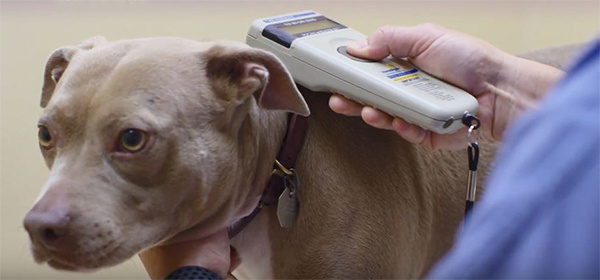
Try to keep your pet calm and easily identified. With all the noise and celebrations, the Fourth of July can often be scary and stressful for pets. I recommend dogs and cats be kept in a separate room away from access to outside. Also, the Fourth of July is one of the most common times we see lost pets. With the celebrations and loud noises, pets become extremely frightened which leads to them escaping to find shelter. Always make sure your pet is wearing proper identification. I have reunited many pets with their families by using microchip identification. I always recommend microchipping your pet. 

Speak to Your Veterinarian About Giving Your Pets Probiotics A Few Days Prior to the Fourth of July

We all know the benefit of probiotics for ourselves, but did you know that they have the exact same positive effects for our dogs as they do for us? As a small animal veterinarian, I prescribe probiotics all the time for my patients. I utilize probiotics are preemptively if I know my patients will be stressed, such as the Fourth of July. Stress in pets can lead to upset bellies which result in diarrhea. Probiotics are a great way to keep your pets gut healthy and prepared for the stress of the holiday. Ask your veterinarian if your pet is a candidate.

Speak to Your Veterinarian About A Possible Sedative For Your Pet For The Fourth of July

I see many of my clients right before the Fourth of July for sedatives for their pets. If your pet exhibits extreme anxiety from the sounds of explosion, contact your veterinarian for mild sedatives or anti-anxiety medications that can be given to your pet in preparation for the holiday. 

Happy Fourth of July everyone! I hope you have a wonderful and safe holiday. I want to ensure that you get to celebrate and enjoy this holiday and not be spending it at the veterinary hospital with a pet emergency.  As always, your pets’ health and wellness are my top priority.

Add Variety and Make Your Dog’s Mealtimes More Exciting with Rotational Feeding

Rotational feeding cover photo

Note: Rotational feeding is not recommended for pets with food allergies or sensitivities. Some animals with food allergies can be predisposed to developing further allergies.

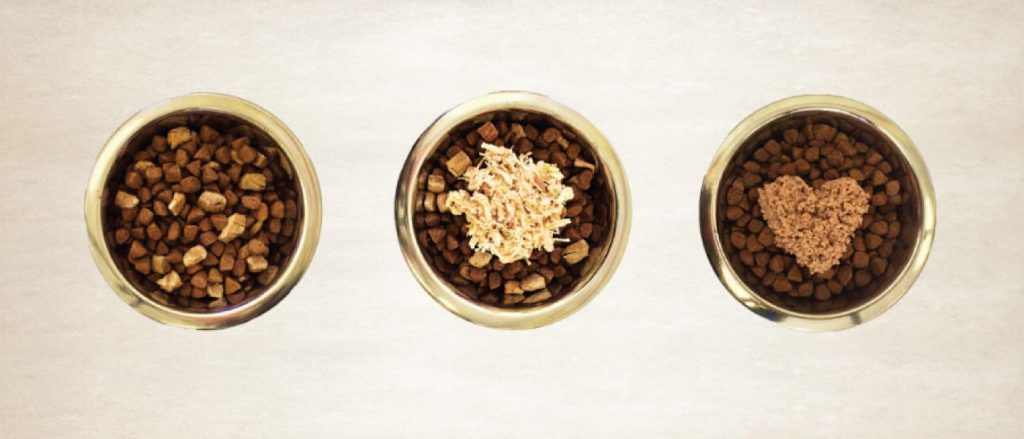
There are many ways to add variety to your pet’s mealtimes. Rotational feeding can add variety through flavor (ex. chicken, lamb, salmon or pork), texture (ex. kibble, wet food, freeze-dried, air-dried) and nutrients (ex. Amino acids, minerals, fatty acids). For some pet parents, adding variety means mixing kibble and wet food together in the bowl, while for other pet parents it might mean feeding kibble for breakfast and wet food for dinner. Others may choose to only feed dry kibble, but rotate flavors with each new bag that they purchase. Any of these combinations is acceptable – they all add variety!

While rotation is not essential, there are potential benefits of following a rotational feeding plan for your dog or cat.   

Don’t let your pet become food bored. Rotational feeding can help maintain and or increase your pets interest in eating. Also, while a complete and balanced dog food guarantees that your dog will get sufficient nutrients, rotating foods allows your dog to consume ingredients that could be  richer in certain vitamins, minerals and amino acids than others, which contributes to overall health and wellbeing.

OK, I’m interested – how do I start a rotational diet?

When starting a rotational feeding program, pet parents should look for recipes that have similar fat content, fiber content, and ingredients to minimize risks of indigestion.  When rotating from one product to another, be sure to follow the feeding guidelines for each product to ensure your pet is getting their daily nutrient requirements without overfeeding.

The most common approach to rotational feeding is through the variation of protein sources. Each protein source (such as chicken, lamb, beef, and fish) has unique benefits and differs in their amino acid, fatty acid, vitamins and mineral content. Since each protein source naturally contributes different levels of nutrients, complete and balanced pet foods are always formulated to prevent any nutrient deficiencies – meaning that other ingredients are added to the protein in appropriate amounts to ensure a healthy, balanced diet. 

Benefits of common protein sources:

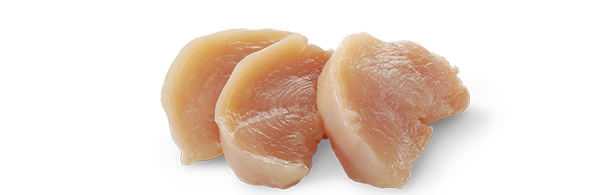
  • Chicken is a highly palatable and relatively lean protein. It is a very good source of B vitamins, phosphorus, selenium, and linolenic acid (omega-6 fatty acid) chicken
  • Lamb is a highly digestible, energy-dense protein. It is a good source of B vitamins, phosphorus, zinc, iron, and linolenic acid and conjugated linolenic acid (omega-6 fatty acid). Conjugated linolenic acid is becoming an increasingly popular nutritional supplement as it can help with ideal weight management.lamb
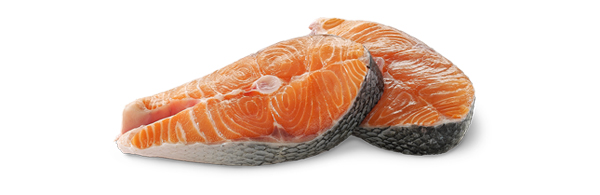
  • Salmon is a very palatable protein source that is moderately energy-dense. It is a good source of vitamin A, B vitamins, phosphorus, selenium, iron, and omega-6 fatty acid (arachidonic acid). It is also an excellent source of the long-chain omega-3 fatty acids EPA and DHA.salmon

Are you interested in trying rotational feeding? If so, you can browse our high-protein, grain-free CORE dry dog food options. And if you need some advice, our knowledgeable Consumer Affairs team is happy to help!

No More Boring Bowls™! How To (Safely) Bring Excitement to Your Dog’s Bowl with Mixers and Toppers

Wellness CORE dog food Mixers and toppers blog coverWellness CORE dog food Mixers and toppers blog cover

While premium natural complete and balanced kibble delivers all the nutrients your dog needs to thrive, mixing in a wet food or adding a topper is a great way to significantly improve the aroma, taste and texture of your dog’s meal – and make their bowl more exciting!

Mixers and toppers can add a boost of nutrients such as proteins, vitamins and minerals and can also be your saving grace if your dog is fussy or food-bored. Simply adding a mixer or topper to their dry food you can lead to bowls that are licked-clean and amplify your dog’s excitement about mealtime. 

Q. How do you add variety through mixers and toppers, without negative side-effects such as digestive upset or weight gain?

There is no golden rule about how you should add toppers or mixers, but there are general guidelines:

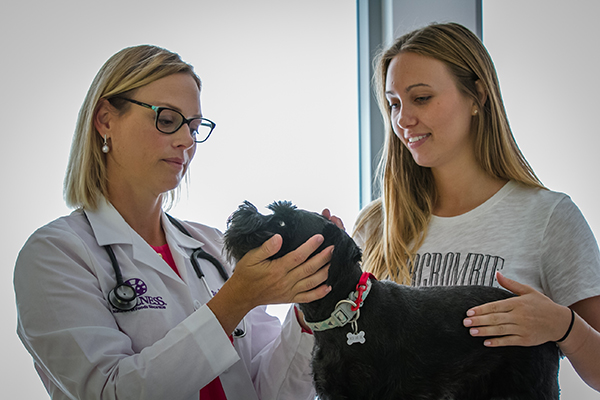
  1. Talk to your veterinarian. Some dogs have unique nutritional needs or need tailored life stage or lifestyle nutrition.  Your vet can ensure that you are serving the right type of food.taking dog to veterinarian
  2. Choose recipes appropriate for your dogs’ life stage and lifestyle. A puppy, a senior, an active athlete, a couch potato: these are all unique dogs that require customized nutrition. When selecting a mixer or topper make sure you choose one with a similar life stage or lifestyle classification as your dry so that your pet is getting all nutrition they need tailored to their needspuppy with senior dog
  3. Select high-quality products. Variety must not compromise nutrition or predispose your dog to suffering the risk of digestive upset. Select products from a brand that you know and trust, and one that offers enough variety that you can rotate through forms and/or flavors.
  4. Pay attention to feeding guidelines. All pet foods have unique, specific feeding recommendations. As you combine products, it is very important to follow these recommendations to avoid overfeeding. For example, wet food contains considerably less calories per gram than dry kibble, so if you decide to substitute combine wet and dry food, you cannot simply swap-out a cup of kibble for a cup of wet food. Check each mixer or toppers packaging for feeding guidelines.
  5. Introduce new formats gradually. Most dogs are used to eating the same thing every day. When you introduce a new form, flavor or brand to your dog’s diet, do so gradually over 3-7 days. Start with just a tablespoon of the new product and increase over the course of a few says until you are serving the perfect meal on day seven.
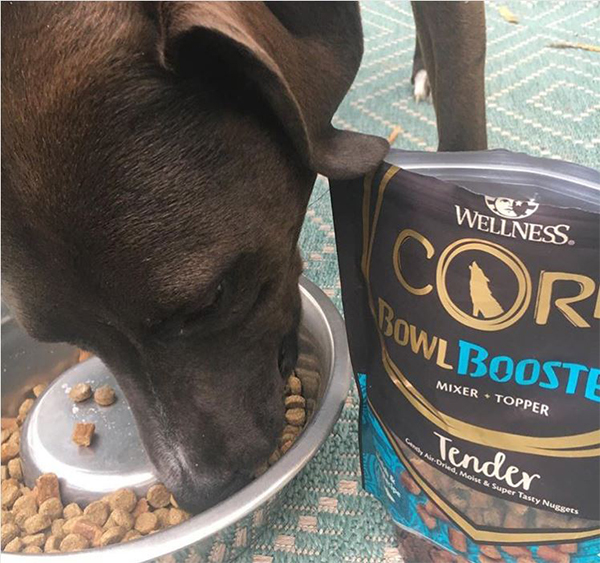
    Dog enjoying CORE Bowl Boosters Tender

    Heeler-mix, Choco, enjoying CORE Bowl Boosters Tender Whitefish & Salmon on top of his kibble.

  6. Don’t let wet food sit-out in the bowl. Some dogs like their wet on top, others like it mixed in, other like it as a separate meal. You know (or will learn) how your dog likes their wet food. Just remember that, once opened, wet food should not stay out at room temperature for an extended amount of time as it can easily spoil, particularly in warm weather. So, keep portions small and serve it how your dog wants it.
  7. Always keep plenty of fresh water available.

The Art of Naming Your Pet

In Romeo and Juliet, Shakespeare wrote that “A rose by any other name would smell as sweet,” which is true…while names don’t shape the person, there are some names that fit the personality. For example, Romeo and Barbarella don’t have the same ring. When it comes to naming people and pets, finding the right name to fit the individual character is truly an art. Here are some things to consider when naming your pet.

Tips for Picking a Good Pet Name

how to choose a name for your pet
 Getting a new cat or dog is very exciting, but before you dive right into selecting a name, keep these important tips in mind:

  • Select a one or two-syllable name; anything longer will be hard for your pet to recognize.
  • Don’t pick a name that sounds like a command. For example, Kit sounds like sit or Jay sounds like stay. 
  • Only consider names that you’ll feel comfortable calling out when your pet is outside or at the park. 

Where to Get Inspiration for Pet Names

how to choose a name for your pet Next, there’s the inspiration for finding names. Some pet parents look at baby name books for ideas. You can do that as well as:

  • Watching your pet’s personality for a while to see what name fits. It’s okay if your pet doesn’t have a name for a few days. It’s worth the wait to get the right one.
  • See what pets are named on movies and books. This could help you decide what to or what not to name your pet. Consider the popularity of the name Marley after Marley and Me. Many pet owners picked the name because it’s cute and playful; however, many steered away from it because it was so trendy.
  • List names that you have positive associations with. These can come from movies, games, literature, or people or other pets you know that have inspired you.
  • Consider the pet’s origins, too. Jacques might be a perfect name for a French poodle or Wolfgang for a German shepherd. 

What to Do When Naming a Pet as a Family

how to choose a name for your pet Sometimes, naming your pet isn’t a one-person job, and everyone in the family gets to weigh in. This is a great chance for everyone to get to know the new family member and for everyone in the family to feel like their opinions are of equal importance. However, it’s important to set ground rules. For example, if you’d rather not use adjectives as names (Shorty, Fuzzy, etc.), then make sure everyone knows that. If choosing as a family, to make it fair, either have everyone vote for their favorite name or draw one out of a fishbowl.

Testing Your Pet’s Name

how to choose a name for your pet After you select a name or while you’re still considering one, test it on the pet. Practice calling your new cat or dog by the top name(s). As you do this, you might find that you prefer to use a nickname for that name (ex: Wolf instead of Wolfgang). 
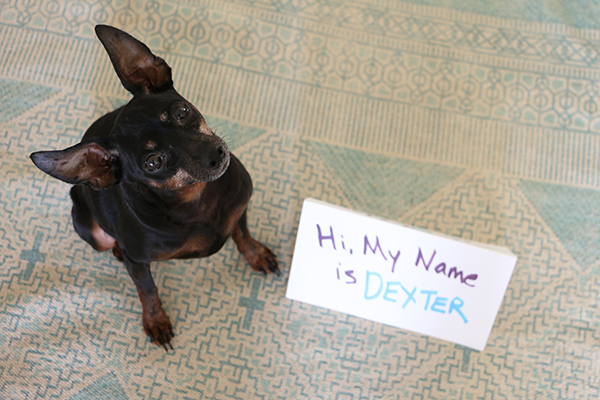
Above all, have fun with naming your pet. The right name will click into place just as your new pet will in your life.

how to choose a name for your pet Picking the right name for your pet is important just as picking the right food. Wellness Pet Food’s recipes are carefully created with all-natural ingredients by pet professionals who are dedicated to your pet having a long, happy, healthy life.

Take Your Dog to Work Day® – Petiquette Tips

By Dr. Danielle Bernal, Veterinarian with Wellness Natural Pet Food

Dogs at the Office Tips

This article was originally published 6/12/17

Before bringing your dog to work, it’s important to be prepared! Planning ahead can help ensure the day is fun and comfortable for you, your coworkers and of course, your dog. Here are my top Petiquette Tips to make this year’s Take Your Dog to Work Day® the best one yet!

  1. Before You Bring Fido: Ensure your work area is puppy proof and your colleagues are all on board with the idea. A dog in the office will often mean that every dog lover in the building will be swinging by your desk for a pat or a cuddle, but don’t forget that some people may have allergies or could even be afraid of your dog. Double check that poisonous plants, cleaning products and items like whiteboard markers are out of reach and power cords are hidden.
  2. Pack the Doggie Bag: To make sure your pup will feel comfortable in the new environment, pack some of his favorite things so that there is a degree of familiarity for him. A cozy bed, favorite blanket or toy, water bowl, and natural, healthy snacks like Wellness CORE 100% Freeze Dried Treats will go a long way to keep him entertained and comfortable.
  3. Let Out Some Energy: Start your dog’s day with a little exercise so they are not too excited when they get to the office. It will help keep them calm throughout the day. A new environment can be overwhelming for some dogs so before you get straight into checking emails, take a little time to let your dog walk around, meet any other dogs in the office and say hello to all your co-workers.
  4. Create A Zone: Place their bed beside your desk so that they have an area that they can feel comfortable in. If your day is looking terribly busy and you think you may be away from your desk for longer periods of time, consider setting up a temporary penned area with baby gates, or enlist a willing co-worker to “dogsit” while you’re away.
  5. Schedule Breaks: Schedule extra bathroom breaks to minimize the risk of accidents happening and ensure you both get some exercise outside in the fresh air.
  6. Have a Backup Plan: Even the best-behaved pooch can have their moments. If you’re finding your dog cannot get themselves settled due to the sensory overload and new environment, make sure you have the approval from your workplace to take the rest of the day and work from home.
  7. But Above All Else…Have Fun! Don’t forget to have fun! Pets in the workplace are proven to lift mood, lower stress and even improve productivity. With a little planning both you and your pup can have a wonderful day! 

Pet Sitters International launched Take Your Dog to Work Day® in 1999 to celebrate the great companions dogs make and to promote their adoptions. 

3 Easy DIY Pet Accessories with Wellness Natural Pet Food Packaging

This article was originally published on 4/13/2016.

Are you an eco-minded pet parent? Get creative with one of these fun and easy DIY pet accessories, brought to you exclusively by recycling leader, TerraCycle! If crafting isn’t your thing, you can still do your part to support the environment.

As the first US-based pet food brand to partner with TerraCycle, Wellness pet parents can recycle their pets favorite Wellness recipes for free, including our Wellness Complete Health dry recipes, Wellness CORE dry recipes and Wellness TruFood dry recipes for  both dogs and cats. Sign up here to get started, and you’ll begin accumulating points for all you recycle–points that can be used to support your favorite non-profits!

Easy DIY Pet Accessories

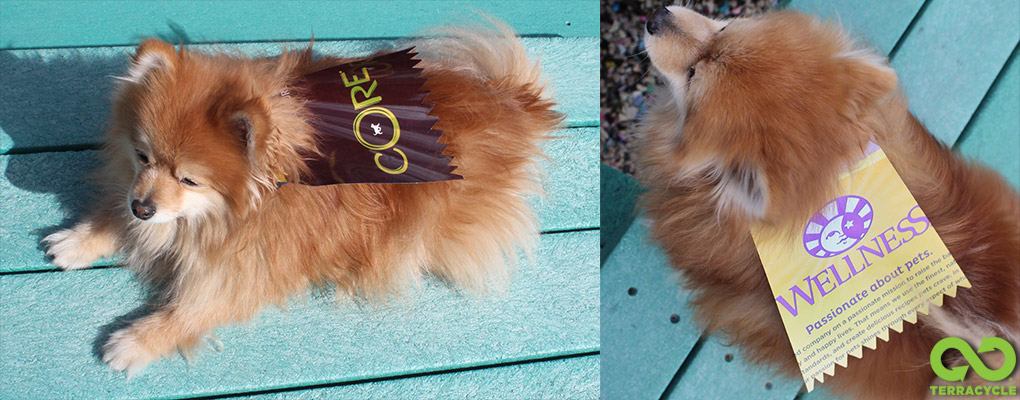
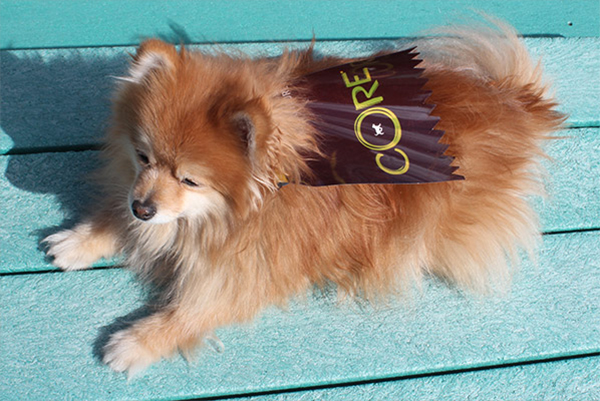
DIY Pet Cape Costume

1. Wellness Dog Cape

What You’ll Need

  • Wellpet Dog Food
  • Bagclear packing tape
  • ¼” flat elastic

Tools:

  • ruler
  • scissors
  • pen

Instructions:

1. Start with a clean pet food bag, and cut the edges off.

2. Use your rule to draw a trapezoid that is 6” wide at the bottom, 4” wide at the top, and 7.5” tall.

3. Fold over the narrow end, about .75”

4. Use a length of tape to keep the fold closed.

5. Cut a 17.5” strip of elastic.

6. Loop it through the fold on the cape.

7. Tie and adjust accordingly so it fits your pet!

Design Tip: Cut the bottom in a funky pattern!  Try a zig-zag or wavy shape!Endling line:  Super dogs super upcycle!

2. Collapsible Pet Water Bowl

DIY Pet Food Water Bowl

​​​​Materials:

  • Wellness Pet Food Bag
  • 4 velcro tabs
  • clear tape

Tools:

  • ruler
  • pen or marker
  • scissor

Instructions:

1. Start with a clean pet food bag. Flatten out the package and measure the width. Measure and mark lines on both ends to make the length of the wrapper the same size as the width. A 10” square or smaller will probably work best. Cut along your marked lines.
2. Mark a border 2” from the edge along each side of the square. Fold and crease firmly along this line. Unfold and flatten it.

3. Fold up two sides at one corner of the square. Make a diagonal crease from the corner to the folded border creating an upright triangle. Repeat this for all corners, then unfold them. 4. Take the Velcro tabs, unfasten them, and stick each one on either side of the corner of the square, one per triangle. Make sure that they will line up when fastened. 5. Fold up the bowl at the corners and press the hook and loop fasteners together. You are ready to dish up your pet’s favorite snack in your new bowl!

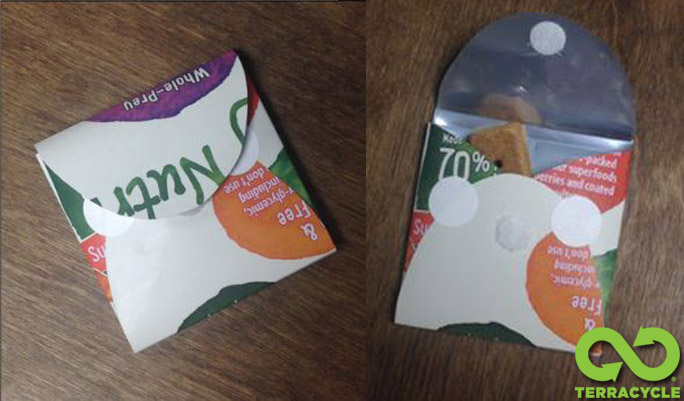
3. Pet Treat Holder

DIY Pet Treat Holder

Materials:

  • empty dog food bag
  • ruler
  • washable marker

Tools:

  • scissors
  • tape
  • 1 self-adhesive Velcro® fastener

Instructions:

1. Start with a clean, empty dog food bag. Cut a square that is 7 ½ inches on each side. Centered inside the square, draw a smaller square that is three inches on each side. This smaller square will be 2 ¼ inches from all edges.

2. On the top edge of the smaller square, draw a semicircle that hits the top of the large square and starts and ends at opposite corners of the small square. Repeat for the other three sides. Cut around these lines.

Pro tip: To give your treat pouch dimension, make an extra ¼ inch fold at the base of each semicircle.

3. Along the lines of the small square, fold all four semicircles towards the center.

Your piece should fold up to the size of the small square. Tape the bottom flap and two side flaps in place.

4. Attach one side of the self-adhesive Velcro® fastener on the inside of the top flap. Then, fold down the flap so the other side of the self-adhesive Velcro® fastener attaches to the outside of the bottom flap. Let the Velcro® fastener stick where it naturally landed after you folded the top flap down.

Fill your new treat pouch with your favorite treats for your favorite pet!

All About That Base: Choosing the Right Base Kibble for Your Dog’s Customized Meal

Wellness CORE RawRev dog

A customized burger is built around a high-quality piece of meat. Even with an array of fresh toppings, a burger isn’t going to be delicious unless the meat is juicy, tender and fresh. Similarly, a customized meal for your dog starts with a high-quality kibble recipe, crafted specifically for your dog’s age, size and nutritional needs. 

A premium, balanced kibble begins with a high-quality protein source as the first ingredient, such as turkey, fish, duck or lamb. This protein should then be balanced with a thoughtful combination of nutrient-dense ingredients that result in optimized levels of carbohydrates, protein, fats, omega-fatty acids and essential vitamins and minerals. Look for kibble options without corn, wheat, soy, artificial flavors or colors to ensure the food is free of fillers.

Selecting the Right Kibble based on Lifestyle, Age, Size and Unique needs

1. How active is your dog?dog going for a walk

It’s important to look at your dog’s lifestyle in order to gauge his activity level and, hence, that he is getting the right diet to fuel his energy needs. A dog with a very active lifestyle that goes on long walks, hikes and generally has a very active social life will need to  consume more calories than a dog that doesn’t get much activity beyond daily walks. You may find that you need to feed your sedentary dog something like CORE Reduced Fat recipe in order to maintain a healthy body condition. 

2. How old is your dog?

A dog’s dietary needs change from puppyhood to his adult years, and again in his golden senior years. Chose a diet that designated as appropriate for all life stage or specific to your dog’s life stage (ex. Puppy or Senior recipe) to ensure your dog is getting the appropriate balance of nutrients to support growth and longevity. 

  • Puppies need more calories from protein and fat to support growth and need additional nutrients such as DHA for proper brain development.puppies eating Eellness CORE
  • Try CORE® Puppy, CORE Small Breed Puppy, CORE Large Breed Puppy or, for an exciting boost of protein, try CORE RawRev™ Puppy
  • Senior diets, such as CORE Senior, contains glucosamine and chondroitin to support aging joints and is fortified with vitamins and minerals to support senior dogs’ weakening immune system. 

3. How big is your dog? Or how big will your puppy be as an adult?

Since nutritional needs vary depending on your dog’s size, brands like Wellness CORE have recipes specifically crafted for small, medium and large dogs. When possible, select a diet that is crafted for your dog’s adult size to ensure that they are receiving the optimal levels of calories, protein and fat.

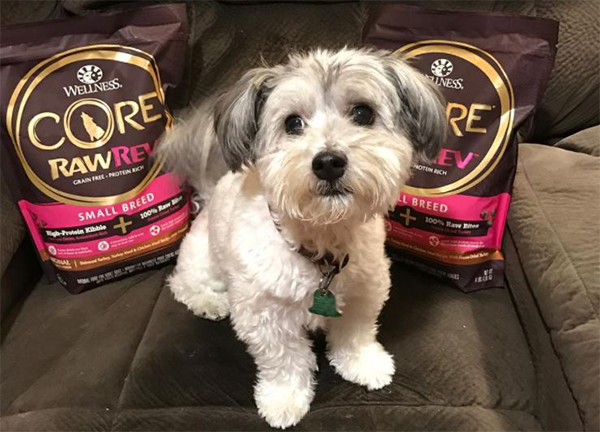
  • CORE Small Breed Recipes have increased calories to support the higher energy needs and metabolic rate of small breed dogssmalll breed dog with wellness CORE RawRev
  • CORE Large Breed Recipes have a larger kibble size and support the growth and longevity of large breed dogs with higher levels of glucosamine and chondroitin to support healthy joints. 

4. What proteins should I consider?

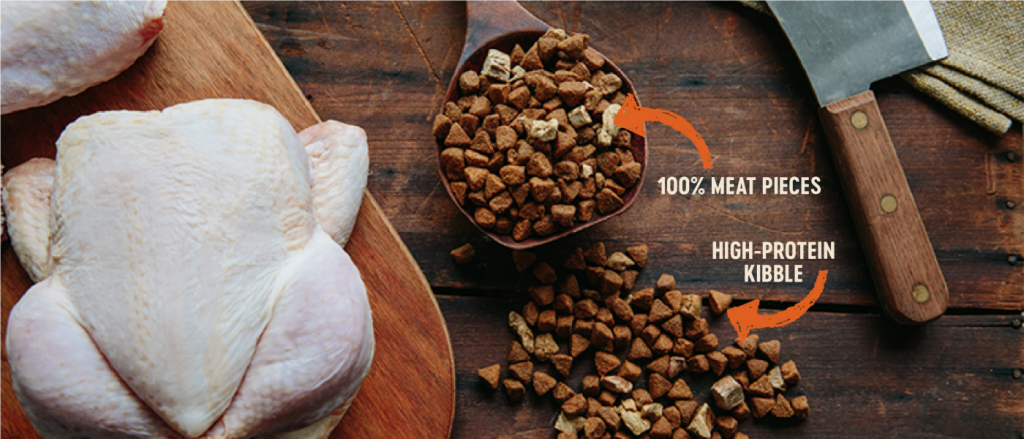
Wellness CORE RawRev


If your dog does not have sensitivities, consider rotating proteins! Switching between proteins is an easy way to bring excitement to mealtime.  Each time you shop for a new bag, select a new protein!

If your dog has sensitivities to a protein (poultry is most common) select recipes that are free of that protein. For dogs with poultry sensitivities, try CORE Ocean and CORE Lamb recipes – both of which are poultry-free.

Now that you have selected the best base kibble for your dog, build a more exciting bowl with mixers and toppers! 

Most dogs don’t hesitate when it comes to mealtime. They chow-down and lick their bowl clean. But, even though it can be tasty and nutritious, serving kibble for every meal of every day can become monotonous. Don’t let your dog become food bored! 

Dogs, just like us, get excited about new tastes and texture experiences, so adding mixers and toppers to your dog’s kibble can help prevent food boredom or be the antidote for a dog that has lost interest in mealtime. 
 

Would You Want to Eat the Same Thing for Every Meal? Neither Does Your Dog.

If your dog is showing signs of food boredom, make their bowl more exciting! Rotate your base kibble and add toppers for boosts of flavor, texture and taste.

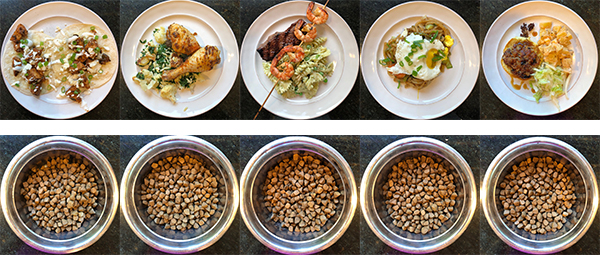
I adore food. I love to cook (my most recent obsession is making fresh pasta), could spend hours watching Chef’s Table, and I plan vacations around restaurant reservations. As a working mom, I don’t always have the time to cook elaborate meals at home, but every night I cook dinner with my family – and every night we make something different. Meanwhile, for seven years our sweet Newfie, Bailey, ate the same thing for each meal of every day. That is over 5,000 bowls in a row of the same food, so it is no wonder that Bailey eventually got bored.

Here is a week of my dinners and a week of Bailey’s dinners— can you spot the difference?

week of meals

Honestly, I don’t know how or when we noticed it, but over time Bailey lost her enthusiasm towards mealtime. She still liked her food, but lacked excitement about it. She would watch us pour kibble into her bowl and then let it sit there until she felt like eating. Then, one day my husband threw a treat on top of her kibble. Bailey immediately stuck her head into her bowl, ate the treat and gobbled-up her food. Adding a treat on top became a ritual—it excited her and we loved to see her happy about her meal! While treats aren’t unhealthy, I didn’t love the idea of adding treats to her bowl every day so we started using healthy mixers and toppers to make Bailey’s bowls more exciting, without compromising nutrition.
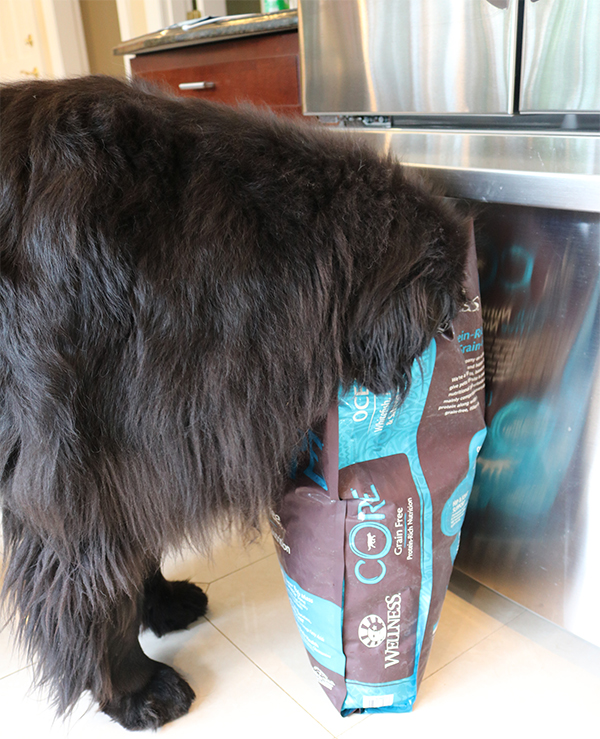
Additionally, since Bailey doesn’t have any known protein sensitivities, we started rotating her kibble.  Each time we buy a new bag of CORE® Grain-Free Kibble, we select a new protein—turkey, then fish, then lamb, etc. And now, every time we open a new bag of food, Bailey watches with anticipation and sticks her giant head in the bag to steal a bite.

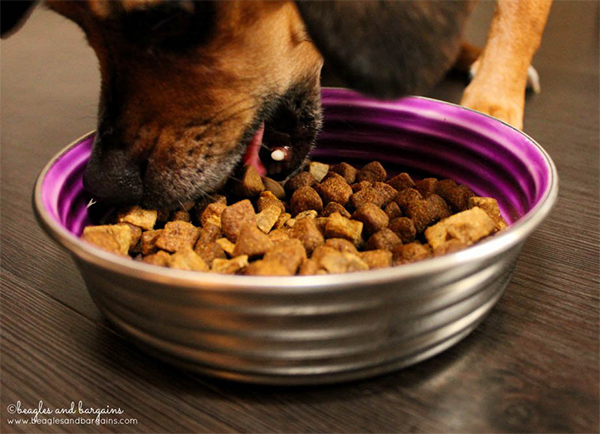
dog eating Wellness CORE dog food

Bailey can’t help but sample the tasty CORE Ocean formula.

Now that we rotate Bailey’s kibble and add mixers and toppers, mealtime is more meaningful for everyone! Bailey gets excited about her meal and it brings me so much joy knowing that I am doing something for her in return for all of the unconditional love that she gives us. (Sorry about those really boring 5,000 bowls before this, Bailey!). This dog smile is what it is all about:

new Foundlan dog

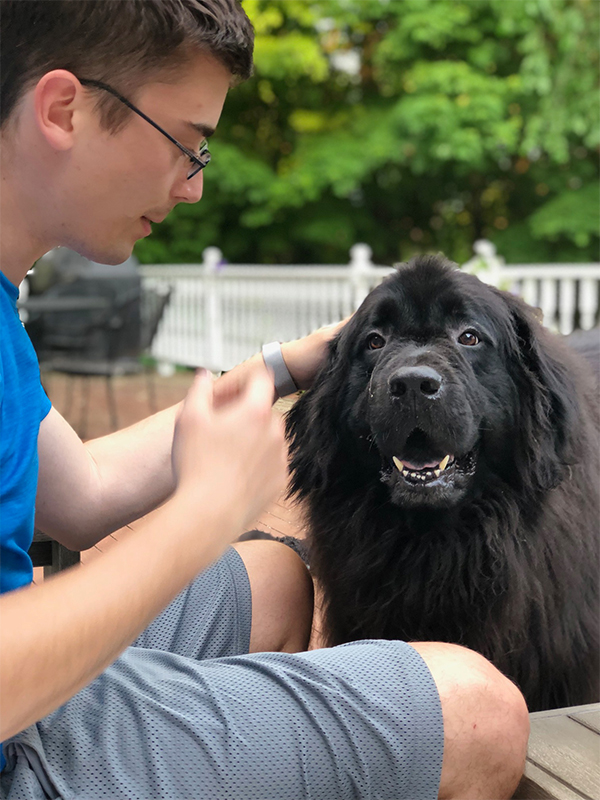
Happy Bailey hangs out with her dad!

Below are some of my – and Bailey’s – favorite combinations, with CORE® Ocean Kibble as the base.  Hopefully they inspire you to make your dog’s bowl more exciting! The best part: it’s easy and convenient. Just pick-up a variety of mixers and toppers next time you are shopping for your base kibble, then mix & match at mealtime!

WELLNESS CORE No More Boring Bowls

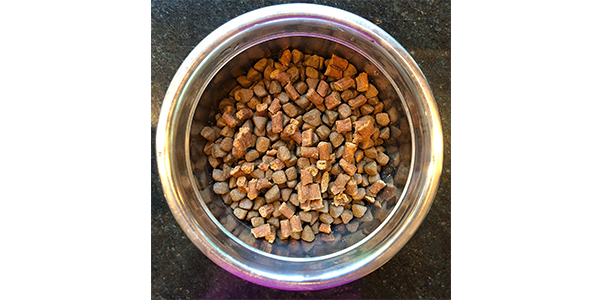
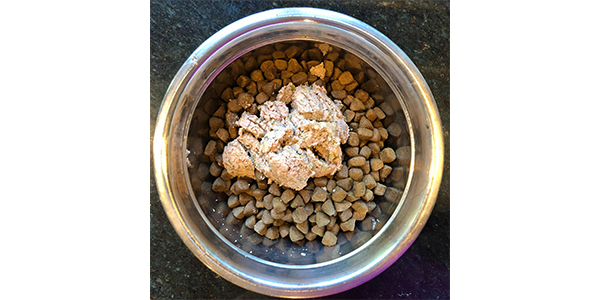
CORE® Ocean + CORE® Bowl Boosters™ Tender Whitefish & Salmon (these tender, ultra-digestible nuggets add subtle texture and a boost of protein)

WELLNESS CORE No More Boring Bowls

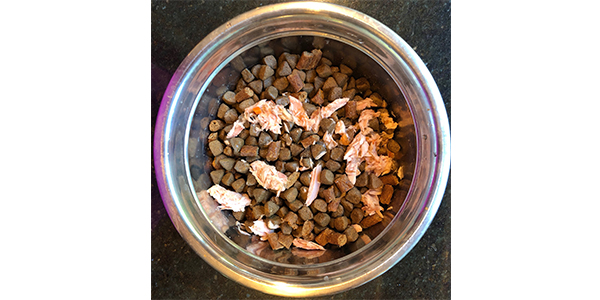
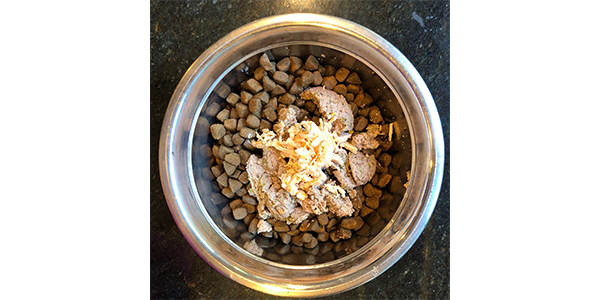
CORE® Ocean + CORE® Bowl Boosters™ Tender Whitefish & Salmon + CORE® Simply Shreds Tuna, Beef & Carrots (with only 5 simple ingredients and less than 50 calories, Simply Shreds are a guilt-free way to make an exciting bowl even more crave-worthy)

WELLNESS CORE No More Boring Bowls

CORE® Ocean + CORE® 95% Turkey with Spinach (an easy way to add some extra protein and an antioxidant-rich superfood!)

WELLNESS CORE No More Boring Bowls

CORE® Ocean + CORE® 95% Turkey + CORE® Simply Shreds™ Chicken, Wild Salmon & Pumpkin

Have you experimented with spicing up your dog’s meals with our CORE Bowl Boosters or CORE mixers and toppers? If so, we’d love to see! Tag your creations with #NoMoreBoringBowls for a chance to be featured on our website! 

How to Honor Your Cat’s Inner Lion

outdoor cat

Your Cat’s Wild Ancestors

When it comes to feline nutrition, cats are described as obligate carnivores. This means that meat (as well as poultry or fish) is an essential ingredient as cats rely on nutrients found only in animal products as a part of their daily diet to maintain overall health.

African Wildcat

African wildcat (Felis silvestris)

Cats in the wild are skilled hunters and very adept at stalking, pouncing and capturing prey to feed themselves. Hence, freshly-caught raw protein sources are recognized as the mainstay of the feline ancestral diet. And, because domestic cats are distant relatives of the African wildcat (Felis silvestris lybica) the biological need for meat remains crucial in a domestic cat’s diet too.

What About Raw?

Turkey

We all want to give our cats the best nutrition available so that they not only enjoy their food but maintain good health with lots of energy as well as their fabulous, furry good looks. Pet parents have plenty of options for nutritionally-balanced, high-protein, grain-free wet and dry food varieties that give our cats the essential ingredients they need; however, there are some unique benefits to incorporating raw meat into a cat’s meal rotation. Raw meat retains additional minerals and vitamins that may not be available once the meat is cooked. Also, raw meat offers an aroma and texture that many cats find irresistible.

Pros and Cons

We may be well-aware of the benefits of a cat’s ancestral diet, but freshly-caught raw prey isn’t usually on the menu! For anyone leading a busy life, trying to balance all of your different responsibilities and feeding your cat a completely raw diet can be a challenge. 
It can be really tough being a feline nutritionist in your own kitchen. Trying to determine the right amounts of fresh food – whether it’s meat, poultry or fish—is quite an undertaking to confidently ensure your cat is getting the right amount of nutrients. 
And then there’s the safety risk of preparing and serving raw food. It’s hard to ensure that kitchen surfaces are completely sterile to avoid cross-contamination. It’s a fact of life—bacteria lurk everywhere! 
Furthermore, feeding a completely raw diet can be messy if your cat has a propensity to drag her food out of her food bowl to eat elsewhere. Finally, there’s the cost factor as purchasing high-quality cuts of meat can get expensive.

A Happy Medium


The latest technology available in the pet space has allowed some brands to address the challenge of producing an authentic feline ancestral diet in a shelf-stable final product. Freeze-drying raw meats, poultry and fish is a safe, convenient way of offering cats the taste and benefits of raw protein as a part of their regular, everyday diet. 
The new Wellness CORE RawRev for cats is a great alternative to a completely raw diet.

Wellness CORE RawRev

CORE RawRev for cats

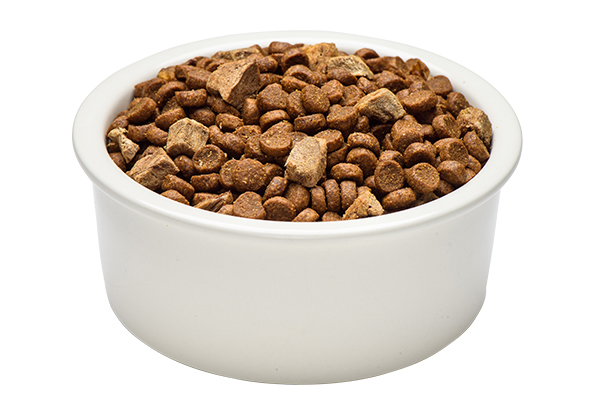
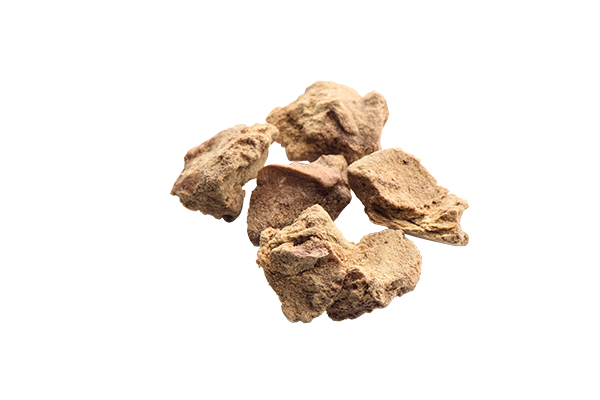
The product contains nutritionally-balanced, high-protein, grain-free kibble combined with 100% pure, freeze-dried raw meat. These raw pieces are incredibly tasty and offer a boost of additional protein, providing enzymes and minerals in their most natural state.

Wellness CORE RawRev cat freeze dried turkey 

Pure, freeze-dried raw meat pieces in CORE RawRev for cats

This combination creates a flavor-rich, nutrient-dense meal that supports lean muscle, a healthy weight and provides a bit of extra energy so your cat can have more fun hunting and pouncing on her favorite toys!  Additionally, these high-quality nutrients enhance your feline’s shiny, healthy coat and overall good looks.
Because the freeze-dried raw pieces are mixed in with the kibble, it’s easy to serve – no mess. Also, cats have a great sense of smell, so the intense aroma of these 100% raw meat bites are a great way of encouraging finicky eaters to the food bowl!
It also turns meal times into a treasure hunt allowing your feline to sniff out and savor the raw morsels, giving her an opportunity to hone her innate pounce and prey skills, albeit in the food bowl.

10 Steps for Choosing the Right Shelter Cat for You

The decision to get a shelter cat is exciting but it can also seem overwhelming. It’s a wonderful feeling to know you’ll be providing a forever home, but you may also be concerned with how to pick the right cat. Being impulsive when it comes to choosing a shelter cat may work out but to increase the chances of being the right home for the right cat, my recommendation is to be well-prepared. Here are my 10 tips.

1. Should You Get a Kitten or Adult Cat?

There are advantages to both but it’s important to look at the time you can take for training. A kitten will require more supervision and training. The house will may also need to be kitten-proofed as an inquisitive young kitten will want to explore just about everything. If you’re hoping for a cat with a certain temperament, then an adult cat may be the best choice.

2. Evaluate Your Home Environment

What is your family life like? Is it chaotic and busy or relaxed and calm? If your family life is very busy, think about whether you’d have time for the addition of a cat. Do you have children in the home? What are their expectations? If your children are very young, a kitten may not be the best choice because they are easily injured. Do you live alone and spend little time at home? Consider adopting two cats so they can keep each other company. You may find a pair of cats at the shelter who are already bonded.

3. Think About the Relationship You Want

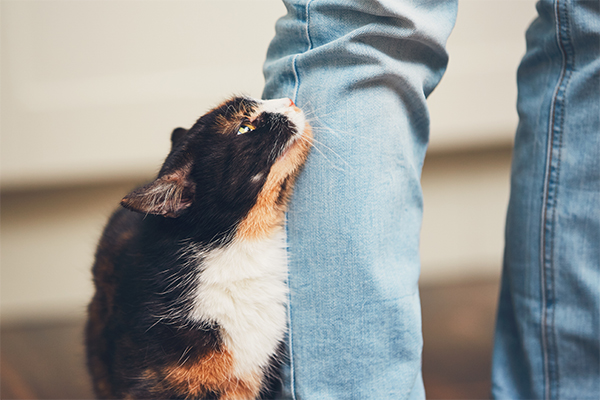
cat snuggling person
Before going to the shelter, take time to think about what type of relationship you want with a cat. Are you looking for a cuddly lap cat who is quiet, or an active cat who will keep you on your toes? If you choose a long-haired cat will you have the time to do daily brushing? Are you looking for a cat who will sleep in bed with you or one who keeps a distance? To prevent disappointment for both you and your new cat, think about your relationship expectations.

4. Do You Already Have Pets at Home?

cat meeting dog
Be mindful of the furry family you already have. If you currently have a cat at home, try to match complementary personalities when choosing a second cat and be prepared to do a gradual introduction. If you have a dog at home, try to choose a shelter cat who has previous (and positive) experience with dogs.

5. Talk with Shelter Personnel

They can help you narrow down your search for the right cat. Don’t take offense at questions they ask because they’re intended to ensure a good match.

6. Do a Walk-Through and Look at the Cats Before Settling on One

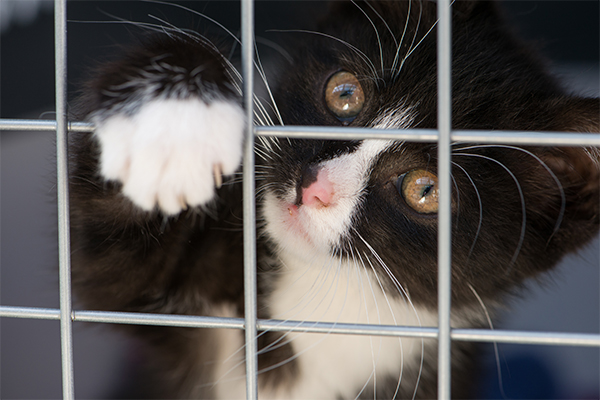
shelter cat
Trust me, it can be so easy to fall in the love with the very first cat you see, but take a moment and do a general walk-through. That way, you may find a couple of cats with whom you’d like to spend more time. If you just stop at the first cage, you may miss that amazing feline love of your life in the last cage on the other end of the room.

7. Spend One-on-One Time

Once you see a cat who touches your heart, spend some one-on-one time together. Most shelters have “get acquainted” rooms where you spend quiet time. This is the time to see how you both react to each other. Are you able to pet the cat? Does the cat like being held? How does the cat respond when you extend your hand? Remember, the cat may be frightened and the personality you see at the moment may not reflect how the cat will be in a home environment without all the shelter stress. What matters now is whether you feel a connection. Let the cat come to you. Take the time needed for the cat to feel secure enough to come toward you, even just a few steps. 

8. Coming Home

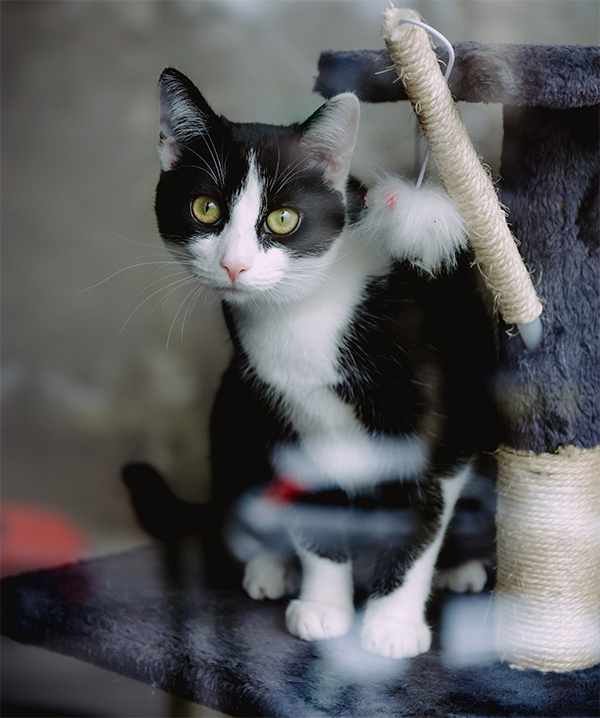
cat with scratching post

Photo by Paweł Adamczak on Unsplash

Have a room set up for the newest feline family member. This room should have a litter box, scratching post, toys, feeding station, and places to hide. Even though you know you’re providing a wonderful new home for the cat, it may take time for the newcomer to get familiar. Coming from the shelter environment to a totally unfamiliar place can be overwhelming. Provide one room so the cat can get comfortable with the new smells, sights and sounds. Don’t ask your new cat to get to know an entire new home or apartment all at once.

9. Get to Know Each Other

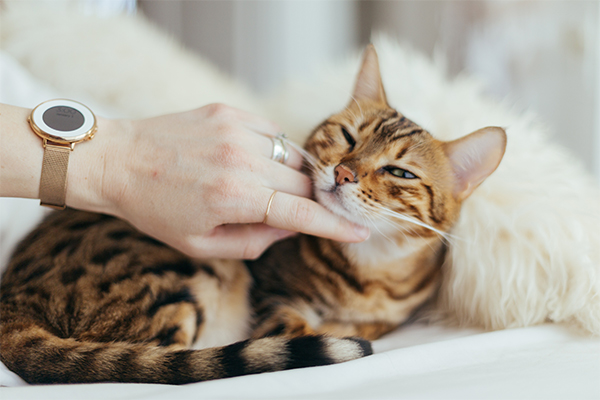
cat snuggling with person

Photo by Paul Hanaoka on Unsplash

If your new cat is timid or overwhelmed, let him get to know you before you introduce other family members. Let the cat set the pace of how much interaction he wants. Trust-building is important and it happens by letting your new cat take the initiative. If he’s scared, provide some hiding places for him by scattering open paper bags or boxes in the room. This way, he can feel somewhat invisible which will lower his stress level. Trust-building may take time or you may have adopted a cat who is ready to investigate his new home the moment you walk in the door. What’s important is that you let the cat set the pace.

10. Be Patient and Ask for Help if Needed


If you adopted an adult cat, keep in mind that he comes with a history. It may take him a little time to shake off his past or his stress from shelter life. Don’t expect your new cat to be the perfect feline companion 24 hours after coming home. If you have questions or concerns, stay in touch with the shelter because in most cases, the personnel are more familiar with the cat and can help guide you through any early rough patches. 
Be patient, train with love and continue to build his trust. The time you spend now to help him feel secure, safe and loved, will pay off as you watch your newest family member blossom.

About This Page

Topic:

반려동물 구조 및 따뜻한 입양

Date:

13/06/2018

    Be the best pet parent you can be. Join for expert advice.

    Sign Up