


Image

Recognizing and Treating Food Allergies & Sensitivities in Dogs

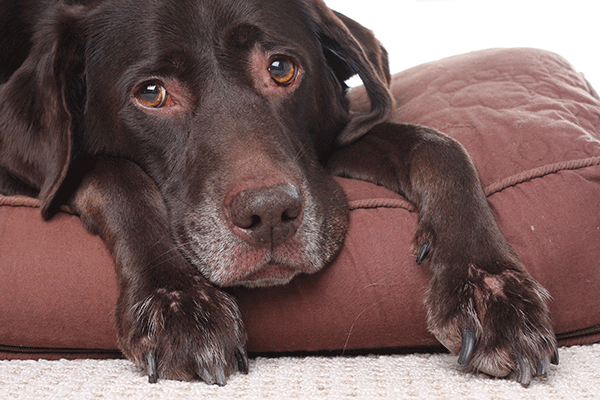
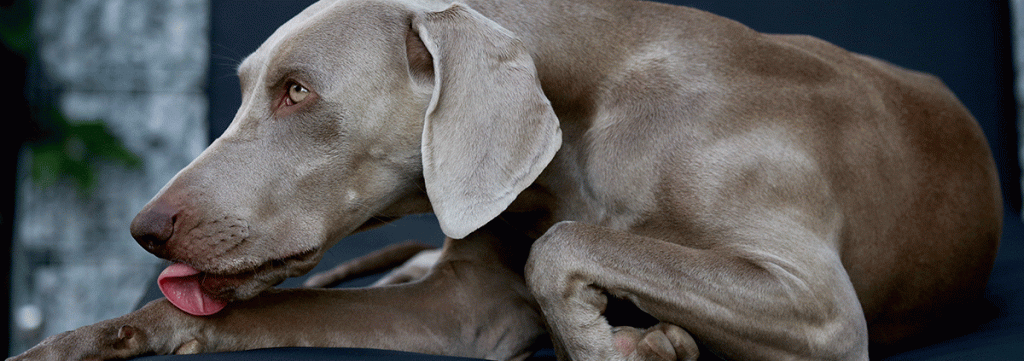
dog with allergies licking paw

Confusing food allergies with food sensitivities (or intolerances) is a common mistake by pet parents. Whilst food allergies and food sensitivities have very different causes, the outward symptoms are very similar. However, it is important to differentiate true food allergies from food sensitives to best help Fido avoid skin and digestive upsets. 

So what is a food allergy or food sensitivity?  

Food Allergies

A true food allergy occurs when the immune system mistakenly identifies a particular food ingredient as harmful and subsequently commences an immune response. True food allergies are much less frequent that food sensitivities. In fact, studies indicate that of the total population of dogs who do suffer from allergies, only 10% of those dogs are suffering from food allergies and most reactions are due to far more prevalent causes including fleas, parasites and the environment. The clinical signs of a food allergy include:

  • Intense itching
  • Chronic ear inflammation
  • Gastrointestinal problems (chronic diarrhea or gas)
  • Skin redness 
  • Hair loss 

dog with missing fur on paws

Whilst the ingredients that trigger an allergic response vary for every dog, the most common food allergens include beef, dairy, wheat, egg, chicken, lamb, soy, pork and corn.

Food Sensitivities

Food sensitivities are non-allergic reactions to a food that may present with as a cumulative response to an offending agent. Sensitivities can result from a pet being unable to properly digest certain ingredients such as meat proteins, dairy, grains, artificial colors, artificial flavors and chemical preservatives. The onset of food sensitivities typically occurs suddenly within 48 hours of ingesting the offending food. Signs of food sensitivities include:

  • Poor skin condition
  • Itchy coat
  • Chronic ear infections
  • Foot yeast 
  • Bacterial infections
  • Loose stools
  • Vomiting, diarrhea and gas   

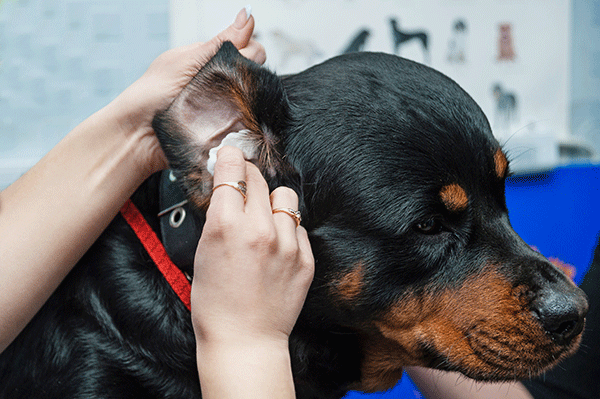
dog getting ear cleaned

Treating Food Allergies & Sensitivities

If you think that your dog is suffering from either a food allergy or sensitivity, always consult with your veterinarian first to accurately identify the problem. For both food allergies and food sensitivities, the clinical signs are often diagnosed with an elimination diet and challenge. This approach focuses on feeding a diet that limits the number of ingredients to avoid potentially offending ingredients. Therefore, natural, grain-free and limited-ingredient diets have become a go-to choice for pet parents who believe their dog has a food allergy or sensitivity.

Recipes such as Wellness CORE SIX are specifically crafted to be naturally hypoallergenic and avoid common food allergens, therefore reducing the likelihood of that diet causing reaction in dogs with food allergies or sensitivities. 

Wellness CORE SIX dry dog recipes are crafted clean with only six main ingredient sources, a single animal protein source and limited carbohydrate ingredients. They are free of common food allergens such as grains, chicken, diary, wheat, soy and artificial ingredients to limit a dog’s exposure to ingredients that commonly cause adverse reactions. CORE SIX is available in Cage-Free Duck, Free-Range Lamb and Sustainably-Sourced Salmon recipes (including a recipe crafted specifically for Small Breed dogs). While CORE SIX are limited in ingredient sources, they are high-protein, rich in natural fats and are fortified with omega fatty acids, dietary fibres, prebiotics and probiotics to ensure your dog has the balanced nutrition they need to support healthy skin, coat and digestive system. 

Supporting a dog with food allergies or sensitivities can be challenging, but with an understanding of what is causing these allergies or sensitivities and the right diet, pet parents can alleviate their dogs’ adverse symptoms. As you limit the ingredients in your dog’s main meal, don’t forget that you should also limit ingredients in treats and toppers. Wellness CORE 100% treats are great for dogs with food allergies and sensitivities as they are made a single protein source for a healthy, crave-worthy snack.

 

How to Choose a Dog Breed for These 9 Personality Types

If you’ve ever heard a person say they like a particular type of dog, there could be a scientific reason behind it. Just as there are many different types of personalities, there are many different types of pet personalities, some of which are more compatible with yours than others. 
The good news is that it isn’t hard to find a dog that fits your personality. Many dogs are mixed-breeds (mutts), which means they have a combination of the best-of-the-best qualities from all of the breeds that influence their genetic make-up.
Use this guide to figure out what primary doggy personality traits to look for when you want to bring a new friend home. This guide also highlights a few breeds that possess those traits as well as breed-specific rescues, making it easy for you to meet lots of new friendly faces and personalities that are just right for you.

1. Inquisitive, Hardworking Orderly Types

While everyone likes to let loose and have fun, you’re at your happiest when things are in order. You appreciate traditional values and respect hard work (you’re not afraid of hard work either). You believe everyone has a role to play to keep society operating well. Quiet-time with a good book or a favorite podcast is how you recharge.

Dog personality matches:

Your ideal dog will be confident and self-assured. Though possibly difficult to train at first, your ideal match will be respectful, reliable and polite once trained.


Dogs with these qualities:

Pekingese, Japanese Chin, Tibetan Spaniel, English Toy Spaniel, Boston Terrier, Chinese Crested, Bull Terrier or Shih Tzu


2. Giving, Helpful Doer Types

You’re the first to volunteer, love giving back, and thrive on helping others. You try to observe what is going on around you and go above and beyond to fill in the gaps.

Dog personality matches:

Your ideal dog will be loyal, obedient, hardworking, intelligent, gentle, fond of human interaction and eager to please.


Dogs with these qualities:

German Shephard, Dutch Shephard or Belgian Sheepdog if you want a large dog; Bichon Frise, Maltese, Havanese or Bolognese if you prefer a small dog.


3. Ambitious, Social and Adaptable Types

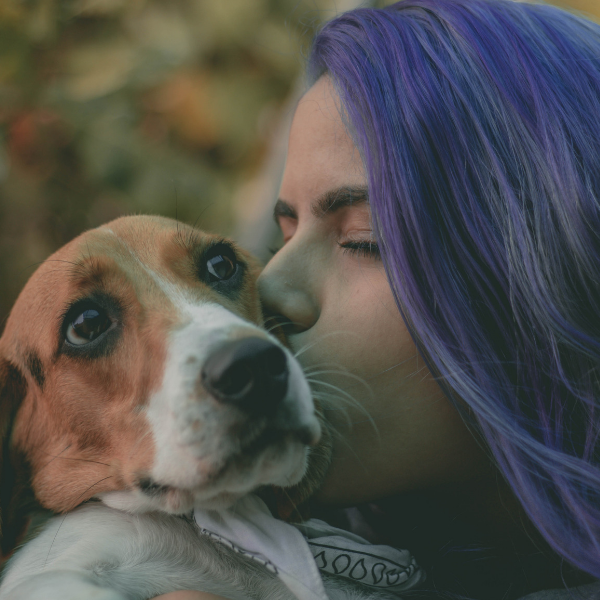
beagle with woman
You’re an optimistic achiever. You work hard but like to have fun. You naturally attract people, have a skill for reading others and can perform in whatever situation life throws at you. You have lots of people who want to be your friend and are well-liked.

Dog personality matches:

Your ideal dog is adventurous, playful, active and social. They are curious and crave stimulation and activity.


Dogs with these qualities:

Beagle, English Foxhound, American Foxhound, Rhodesian Ridgeback, Harrier, Brussels Griffon, or Basset Hound


4. Individualistic, Creative Original Types

You sometimes feel like an outlier. You’re unique and often creative. You have a different way of seeing the world. You love to surround yourself with beautiful and meaningful things. You have a good sense of humor and can laugh at yourself.

Dog personality matches:

Your ideal dog is laidback, peaceful, relaxed and companionable. This dog knows how to mind his own business but is also alert, hardworking and bright.


Dogs with these qualities:

Shiba Inu, Australian Shepherd, English bulldog, Hokkaido, Akita, Kishu Ken, Shikoku, Border Collie, Miniature American Shepherd or Dutch Sheepdog


5. Intellectual, Investigative Thoughtful Types

Chow chow with man and woman
When confronted with a challenge or a new topic, you don’t just find the answer¾you immerse yourself in the subject often becoming an expert. You love learning new things and can talk at length on topics you’re passionate about. Alone time doesn’t bother you.


Dog personality matches:

Dog personalities that suit you can be aloof and pensive…almost like a cat. They are smart and seemingly indifferent, but they enjoy intimate companionship with someone they trust. You might also enjoy a more energetic breed that is smart, self-sufficient and happy with alone time.


Dogs with these qualities:

Chow Chow, Chinese Shar Pei, Greyhound, Tibetan Mastiff, Jack Russell Terrier, Wire Fox Terrier, Rat Terrier or Parson Russell Terrier


6. Loyal, Trusting Security-Oriented Types

You are a faithful friend who believes in the virtue and the goodness of those you care about. You work well with others and are happy to do your part in group projects. You don’t mind labels and are happy to strongly identify with whatever political party, religious group or social cause you support.

Best personality matches:

Your best dog match will be good-natured, dependable, loyal, outgoing and curious.


Dogs with these qualities:

Siberian Husky, Akita, Samoyed, Pug, Greyhound, Alaskan Malmute or Chinook

7. Enthusiastic, Curious Adventurous Types

You are easily excited about new people, new things and new ideas. You might be a jack of many trades and a master of none because you quickly move from one new passion to another. You enjoy new experiences and have boundless energy.

Best personality matches:

Your ideal dog is playful, affectionate, smart, happy and curious.


Dogs with these qualities:

Pomeranian, Pembroke Welsh Corgi, Cardigan Welsh Corgi, Dachshund or Teddy Roosevelt Terrier.


8. Challenging, Truth-Seeking Leader Types

You are quick to take up a cause when you detect an injustice. You aren’t afraid to lead the pack especially when it comes to seeking justice. You may not always stand up for yourself, but you speak out for friends and others. You are passionate and hardworking, often preferring to rely on your own resources.

Best personality matches:

Your best dog match is charismatic, confident, intelligent, strong-willed and a born leader. You are also well-suited for adventurous, warm, compassionate and playful dogs.


Dogs with these qualities:

Tibetan Mastiff, Tibetan Terrier, Maltese, Tibetan Spaniel, Papillon, Mastiff, Labrador Retriever and other retriever breeds


9. Peaceful, Easy-Going Non-confrontational Types

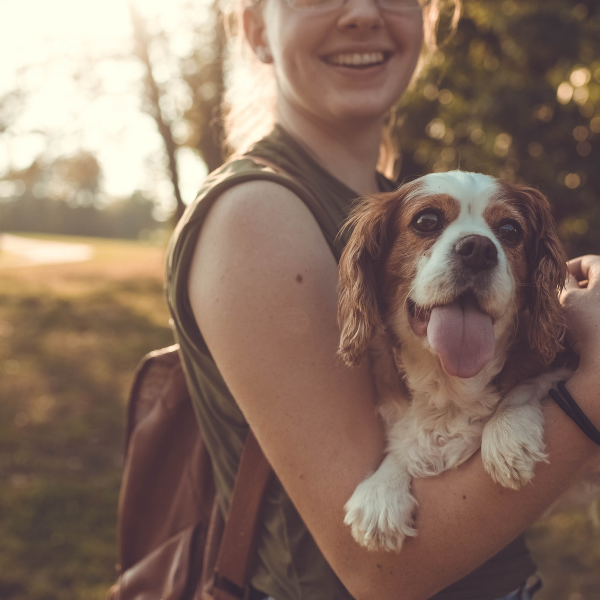
woman hiking with Cavalier King Charles Spaniel
You are a go-with-the-flow type who really would prefer if everyone just got along. It is not hard for you to find joy in the world around you, and you are generally easy-to-please. Conflict exhausts you, and so you strive to avoid it in all of your relationships.

Best personality matches:

Your perfect dog match is loving and loyal, passionate, charismatic, social and is attuned to people’s needs and emotions.


Dogs with these qualities:

Golden Retriever, Cocker Spaniel, Cavalier King Charles Spaniel, Nova Scotia Duck Tolling Retriever, Chesapeake Bay Retriever, Flat-Coated Retriever, Labrador Retriever or Curly-Coated Retriever
Again, many dogs have multiple breed influences, which means that the dog is likely to possess not only the great qualities of their primary breed but also of other breeds. This means that it is easy to find a dog that fits your personality. All you have to do is meet to know when you’ve found “the one”. 
Keep in mind that as you seek a dog with a personality that best suits you, in addition to reading about pet parenting in general (including nutritional needs), make sure to consider where you live, how big the dog gets and how much space your new best friend will have to play and to exercise.

To conclude, a new dog could be exactly what you need in your life. By getting one with a personality that goes paw-in-hand with your personality, you ensure that you two will have nothing but loving good times.
Every dog has a different personality, and every dog has different dietary needs, which is why Wellness Pet Food makes different natural blends ideally suited for all dogs, no matter their health, their size or their age.


What is National Pet Dental Health Month?

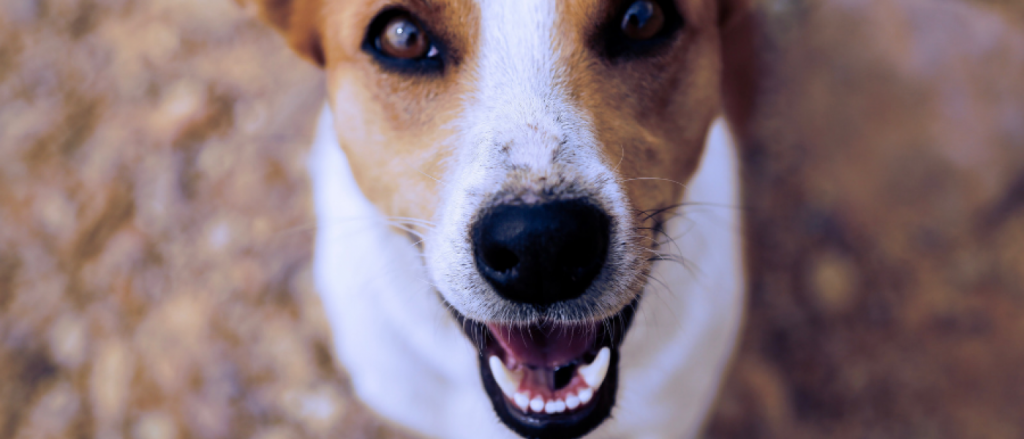
dog smiling at camera

Celebrated every February, National Pet Dental Health Month was created by the American Veterinary Medical Association to highlight how important oral health is to overall health, happiness and wellbeing of your pet. If you don’t brush your pet’s teeth every day, you’re not alone. It’s estimated that only 2% of dog owners brush their dog’s teeth on daily despite recommendations from veterinarians across the US to do so. As a result, supplemental dog dental chews that are proven effective in fighting plaque and controlling tartar become an important part of a dog’s daily routine.

Why is Doggie Dental Care So Important?

Effective dental care is as critical for dogs as it is for humans. Neglecting oral hygiene in dogs can lead to issues like tartar build up, gum disease, bad breath and other larger health issues like heart disease, lung disease and kidney disease.

When Do Dental Problems Start?

According to US Veterinarians, periodontal disease, a gum disease caused by plaque and tartar buildup, is the most common dental condition for dogs, with 80% exhibiting evidence of the disease by age 3.

How to Prevent Dental Health Issues in Dogs 

When it comes to dental health care in dogs, offense is the best defense. Brushing your dog’s teeth and providing a daily dog dental chew are great ways to reduce plaque and tartar accumulation.

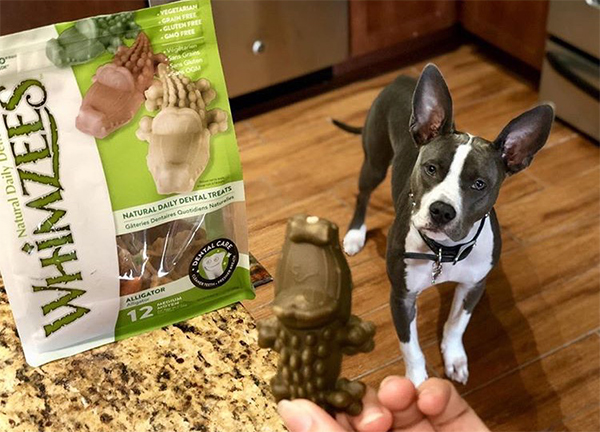
pit bull with WHIMZEES
While dog dental chews are not a replacement for teeth brushing, they are an easy, fun, delicious option to help care for your dog’s oral health on a daily basis. Dog dental chews like WHIMZEES allow you to give your dog a treat that you can feel great about because your dog love the taste and chewing experience, and you’ll love knowing that you’re doing something beneficial for your dog’s oral health. 

How to Choose the Right Dental Chew

When looking at dental chews, evaluate them in the same ways you would your dog’s food. Look at ingredients and look at efficacy.
Look for a chew made with all natural, limited ingredients – like WHIMZEES! WHIMZEES are limited ingredient, all natural, and Non-GMO Project Verified, so they’re great for dogs with ingredient sensitivities. They are also gluten-free and contain no artificial colors, flavors, or preservatives. 

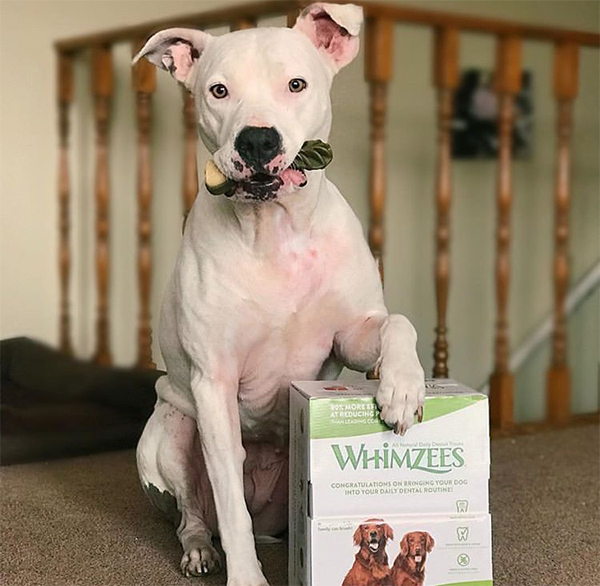
pit bull with WHIMZEES dental chews for dogs

Photo via @bella_thesillypitty

In terms of efficacy, look for a dental chew with scientifically proven claims. Based on a study at an independent kennel, WHIMZEES are 80% more effective at reducing plaque than leading competitors*. Now that’s a number you can feel good about. 

While daily brushing is best for your dog, a daily dental chew is the next best thing. Bringing a daily dental chew into your dog’s life and making oral care a priority will not only allow you to further bond with your dog, but will also allow you to keep them happy and healthy. 
Not all pet foods are created equally, and the same applies to dog dental chews. WHIMZEES All Natural Daily Dental Chews are a fun, easy, effective way to care for your dog’s teeth, breath and gums every day. Learn more about WHIMZEES today at WHIMZEES.com, or visit your local pet store or e-commerce website to learn more. 

7 Ways to Say ‘I Love You’ to Your Pet In Their Language

dog on floor

There are many ways you show your pet your love–by feeding them delicious, healthy food, by giving them gifts, by bathing them, by taking them to the vet, by petting and grooming them, by spending special time with them, by telling them and more; however, there are only a few ways for you to say “I love you” to your pet that they truly understand. Read on to learn seven ways for you to say “I love you” to your pet and for them to feel the meaning behind your expression.

1. Listen to Your Pet

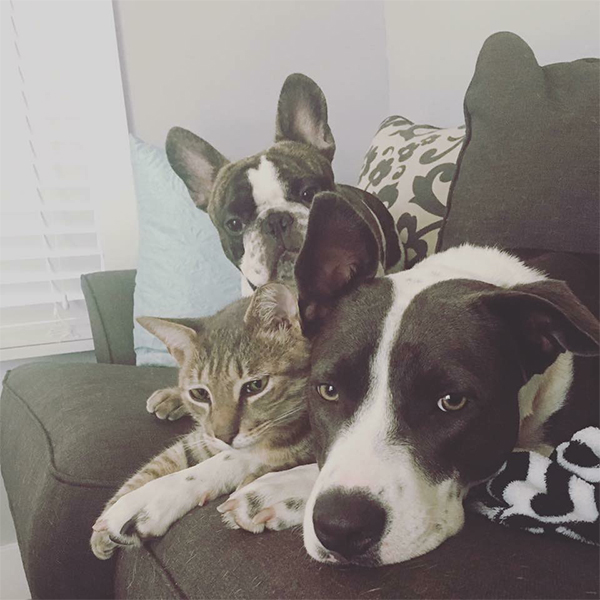
dogs and cat snuggling together

Photo via Tam S.

When it comes to communication, the most valuable skill anyone of any species can possess is listening. Obviously, dogs and cats can’t talk; they can’t say, “I’m happy,” or, “I’m sad,” or, “I’m feeling confused.” Instead, animals communicate via their many expressions. When you take the time to learn what your dog’s or cat’s expressions mean, you learn to listen to your pet, and if you consider that most people just want to heard, it’s safe to say most animals want to be (heard), too.

2. Make Eye Contact

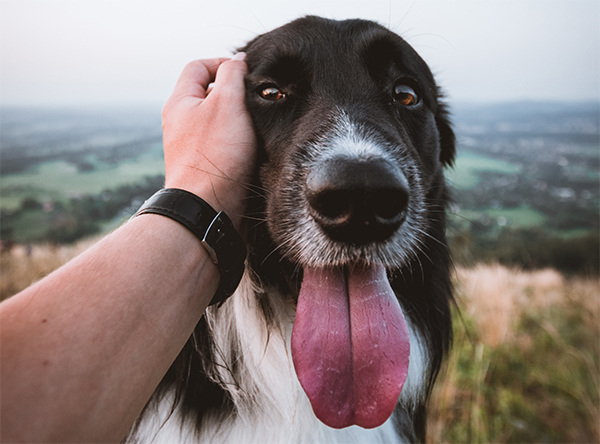
dog looking at camera

Photo via Unsplash: Tadeusz Lakota

They say the eyes are the windows of the soul, and this is true for animals and humans. Have you ever looked deep into the eyes of someone you love and felt a charge? Well, if so, then what you felt was a zing of oxytocin, a “feel good” chemical that is triggered when we feel strong feelings. As it turns out, if you look into your pet’s eyes, they get those feel good feelings, too, so a little eye contact can go a long way in expressing how you feel to your pet.


3. Open Your Resting Space

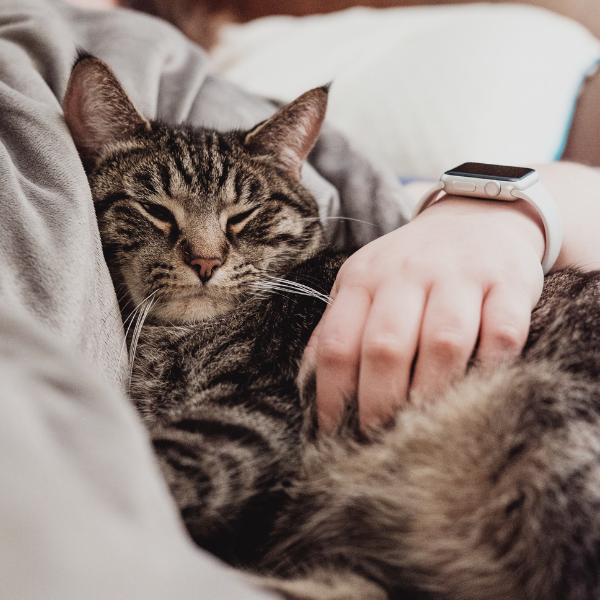
at snuggling with person


Another form of expression that should be a no-brainer is physical expression. Show your dog or cat you love them by allowing them to nap with you during the day and / or in your bed at night. The love that you feel when you and your pet snuggle is also felt by your pet.

4. Let Your Pet Lean on You

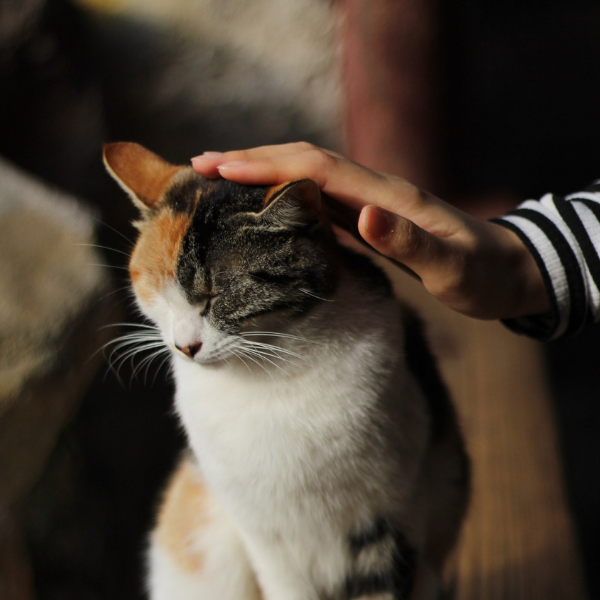
person petting cat

Photo via Marta Markes

During waking, walking hours, it might seem like an imposition to have your pet leaning or rubbing against your legs, but by not getting stressed and (more importantly) by leaning back, you create an intimacy and a trust culture that proves to your pet that you love them. 


5. Walk Together

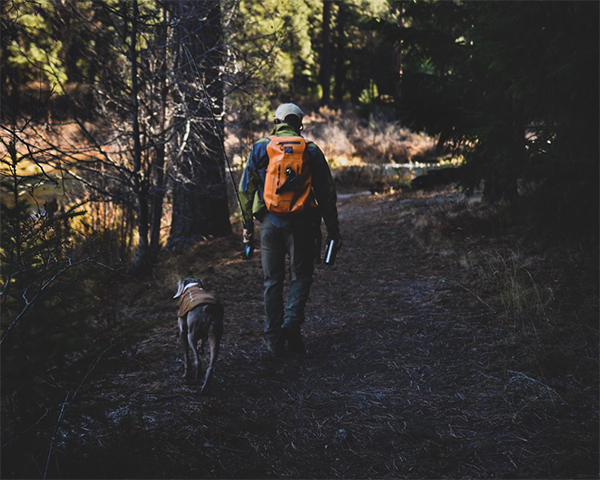
Fishing Josh and Koda dog walking

Koda going for a walk in the woods photo via @fishingjosh

So much of your relationship with your pet and of your showing your love to your pet is just being together. Rather than take your daily walk alone, going hiking or camping alone, or exploring your city alone, you are at an advantage to take your pet as she will take your decision to include her as a sign that you, too, love her.

6.Groom Your Pet

dog getting brushed

Photo by Abbie Love on Unsplash

Grooming is a sign that one cares about the comfort and appearance of someone they love. Certainly, people are aware that pets are perpetual self-groomers. To say “I love you”, pet parents can take that burden from their pets by bathing and brushing them on a routine basis.

7. Talk Out Loud

Lastly, pet owners can get out of their own head spaces and talk openly with their pets  in order to say “I love you”. While saying “I love you” is always kind, using clear, simple phrases that indicate pride trigger MRI responses in animals, which reveals that animals associate praise with love.

Another way that you can say “I love you” to your pet is by making sure that the food you feed to them is a healthful one made with natural ingredients like those made by Wellness Pet Food. Wellness also makes several snacks and treats that celebrate your pet every day.

How to Welcome a New Puppy with a Dog at Home

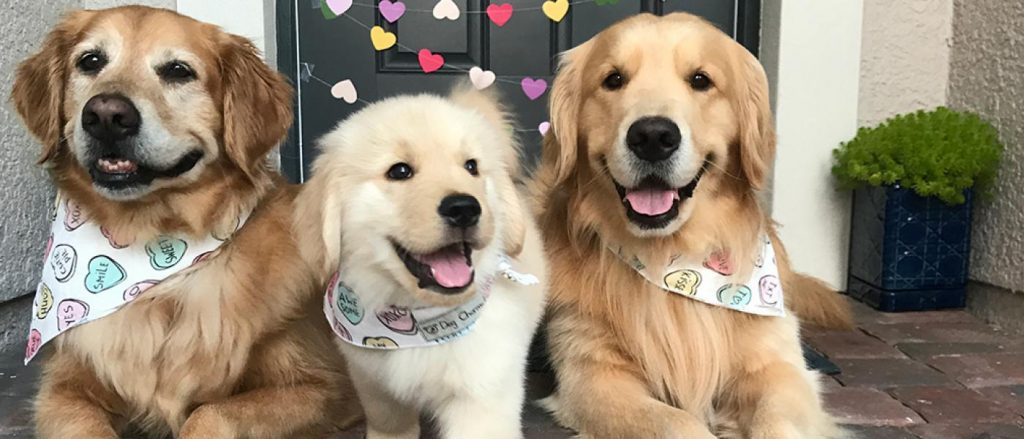
golden retriever dogs

Adding a new puppy to your family is an exciting journey; one full of adventure, lessons, and laughs. And although dogs are pack-animals who are meant to live closely with other dogs, ensuring a seamless transition for each canine member can be overwhelming and confusing. But it doesn’t have to be! Our newest puppy, Kenai, is the fourth dog we have raised. Here are three things that have successfully helped our pack adjust (in the past and present) when adding a new puppy. 

1. Schedule

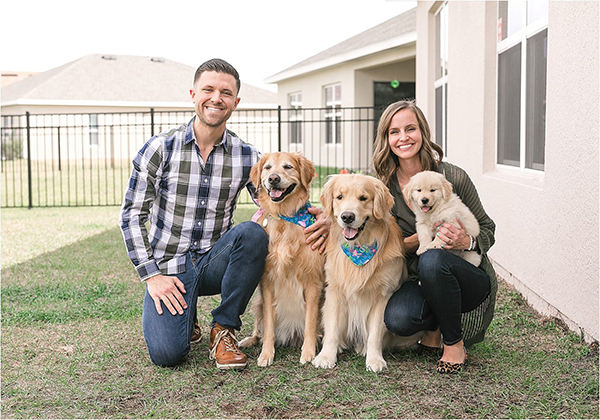
family with golden retriever

Jeremy and Mandi with their 3 pups (left to right) Kylie (9), Kono (3) and Kenai (2 months)

Dogs crave structure in their lives, so having a consistent schedule is important. We strive to maintain our adult dogs’ day-to-day routine while balancing a puppy’s more demanding needs. Throughout the day we work to maintain mealtimes, potty breaks and exercise routines.   

We overlap where we can, and work the rest around their existing schedule. For instance, even though a puppy may eat three times a day in the beginning (and an adult dog only twice), try ensuring two of those meals are at the same time. Maintaining your adult dog’s expectations and schedule offers stability and peace of mind that you are still reliable and consistent – that the new ankle biter hasn’t taken over everything. 

2. Respect

In nature, raising puppies is a family ordeal. The responsibility of instilling manners, boundaries, and rules doesn’t fall solely on the mother – other adult dogs will help teach the little members of the pack how to peacefully coexist with each other. 

If you trust that your adult dog is a stable, well-adjusted canine, you can learn a lot about puppy-raising by sitting back and watching her interactions with your puppy. 

However, since our dogs have to figure out not only how to live with each other, but also in our human-world, sometimes our intervention can help this process.  

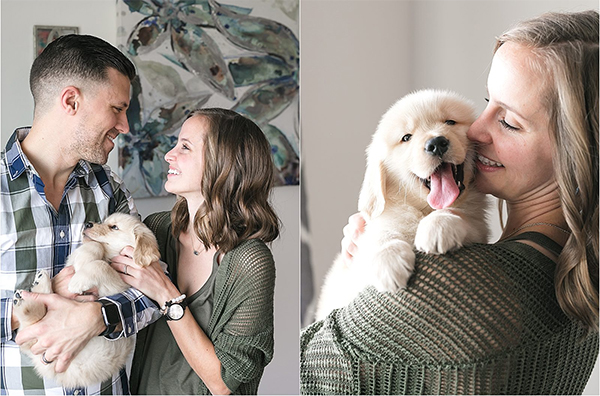
people with golden retrievers

Jeremy and Mandi with their new puppy, Kenai, a 2-month-old Golden Retriever

One way we achieve harmony in the beginning is during meal times. Since eating is a strong instinct for dogs, it offers a great opportunity for solidifying your leadership and teaching respect. Likewise, this “exercise” can provide a wonderful opportunity for bonding: 

• Allow your adult dogs to begin eating first.  

• As the adult dogs begin to eat, keep the puppy calm and close; where he can still see and smell what is going on, but the distance allows his body language to relay respect. 

• Having the puppy wait to eat helps the adult dog reinforce her leadership, while the puppy practices healthy boundaries. Additionally, eating together encourages pack behavior, which in turn nurtures bonding. 

3. Exercise

dogs running

The pups are burning off some energy! Kono (left) and Kylie (right).

Like us humans, regular exercise is imperative for dogs to be happy and healthy. Getting your new puppy exercise is a delicate balancing act of protecting him prior to being appropriately vaccinated, and exposing him to the different sights, scents, and sounds of the world. 

In nature, walking together is probably the most natural thing a pack of dogs participate in. They walk to seek shelter, food, water, shade and so forth. 

Walking is also one of the quickest ways to develop a bond among dogs, since it is so embedded in their natural instincts. Not only that, but it drains mental and physical energy which allows a dog to find physical rest and mindful peace – which is the recipe for true contentment. (All crucial things to achieve for each dog during the adjustment!)

Carrying your pup or investing in a dog-stroller are ways you can include your puppy on a pack walk before it is safe for their paws to be on the ground. Another thing we do after the first set of vaccinations is purchase dog-safe wet-wipes, and be diligent about wiping our puppy’s paws after they have been out and about. This helps cut down on the germs and bacteria they are exposed to that may lead to infections and viruses. 

Though we have made numerous mistakes over the years, our understanding of navigating the adjustment of bringing home a new puppy has grown considerably. We now feel confident in providing both our adults and puppies with everything they need to ensure a smooth transition. 

Summary

To help facilitate a pawsitive transition when adding a new puppy, try implementing and following through with these three concepts: 

Schedule

Maintaining your dogs’ expectations of his life  through his schedule and routine allows him to feel safe and content during the major changes that come with adding a puppy. 

Respect

Encourage healthy boundaries and stay committed to the rules you set for your dogs, puppy included. Implementing predicable routines during mealtimes can help nurture bonding and reinforce leadership.  

Exercise

Follow through with typical exercise routines to ensure no one has pent up energy (which can lead to frustration) during the adjustment. 

Try to safely include the puppy during pack walks and play times when it’s appropriate. 

These three things not only bring harmony to our pack, but they help in setting the foundation for lifelong bonds among our dogs; bonds of loyalty, trust, respect and understanding – just as nature intended. 

Clean Eating for Your Pets: What’s it All About?

Wellness CORE DOG

The Clean Eating trend has fast become one of the largest diet philosophies that people all around the word have adopted into their homes on their continuous quest to improve their health and wellbeing. Focused on fueling one’s body with real, whole foods and natural ingredients, Clean Eating has been associated with health benefits such as weight loss, increased energy levels and even as a solution of common ailments such as digestive and skin concerns.

Clean eating for humans involves key principles that align with the basic practice of healthy eating:

  • Eat real, whole food ingredients that nourish your body such as lean proteins, healthy fats, vegetables and fruits. These ingredients should be used to create balanced, healthy meals
  • Avoid highly-processed and over-refined packaged foods, snacks, sweets and all items with a long list of ingredients or artificial colors, preservatives and flavors
  • Get plenty of physical activity during the day, get enough sleep at night and manage stress in healthy ways.

Can clean eating extend to your dog?  

Absolutely! It goes without saying that dogs are not people. They have a unique set of nutritional needs that must be met to ensure their health and wellbeing; however, you can adopt similar Clean Eating principles for them as you do yourself. Focus on feeding them foods that are made from a simple recipe of whole foods with identifiable ingredients and are formulated to meet their nutritional needs without any artificial additives

Is clean eating suitable for all dogs or only those with sensitivities?

Clean eating is suitable for all dogs! For many pet parents, the ingredients that  their dog eats (or doesn’t eat) has fast become the most important factor that they consider when selecting a food. By excluding ingredients such as low quality proteins, highly processed grains and long ingredient lists, many pet parents have seen their dog’s skin, coat and digestive health improve. You can expect to see any dog’s health and wellbeing maximized with a natural diet that focuses on whole food ingredients. 

How do I select a “clean” food for my dog?

  • Look for a limited ingredient recipe: A limited ingredient recipe, contains a short list of hard-working, main ingredient source that are carefully chosen to maximize nutrition and digestibility while avoiding common allergens. 
  • Select a meat-rich diet that is based on one, novel protein source: Meat should always be a key ingredient in your dog’s diet. A superior high-quality animal protein source supports digestibility and creates less work on the digestive system. 
  • Look for whole food, grain-free diets with recognizable carbohydrates: Ingredients such as chickpeas and peas deliver superior nutritional benefits compared to that of highly processed alternatives like tapioca and potato starch for a more nutritious meal, and the exclusion of grains such as wheat and corn helps reduce exposure to common food allergies.  
  • Ensure ingredient superiority by checking that the ingredient sourcing details: Clean recipes will contain non-GMO sourced ingredients and thoughtfully-sourced animal proteins.
  • Avoid the nasties: Most brands will call out loud and clear what they exclude, but always check the ingredient list to ensure there are no unwanted fillers added to bulk up the food and that the ingredients are definitely natural with no artificial colors, flavors or preservatives used. 

Choosing whole food, healthy ingredients that are crafted into a clean, high-protein, limited ingredient recipe  for your dog will not only allow them to join you in eating clean, but more importantly, will ensure that they have optimal nutrition to fuel a long, happy and playful life by your side.  

One clean eating option–NEW Wellness CORE SIX!

Wellness CORE SIX

Wellness CORE SIX is crafted clean with non-GMO ingredients and just SIX main ingredient sources. Each high-protein recipe is made with a single, thoughtfully sourced animal protein and fortified with essential vitamins, minerals and probiotics to ensure your dog gets the balanced nutrition he needs to thrive from the core. It’s available in Sustainably-Sourced Salmon, Cage-Free Duck and Free-Range Lamb options, as well as a Sustainably-Sourced Salmon for Small Breeds recipe.

Has your dog tried CORE SIX? If so, share your photos by including @wellnesspetfood and #WellnessCORE in your post!

10 Valentine’s Day Gifts for Pet Lovers

Valentine’s Day is right around the corner, and you want to get your special someone a gift that shows just how much you understand what makes their heart singtheir pet. There is no better gift for a cat or dog lover than one that allows them to show off how much they love their pet. That’s why we made a list of 10 Valentine’s Day gifts for pet lovers that are as unique as their beloved pet.

1. Custom Dog and Custom Cat Socks

Custom dog or cat socks by MyPhotoSocks.com is such a doggone cute idea. Available in an array of attractive colors, custom dog or cat socks allow you to upload a photo of your paramour’s pet and have the image of their head printed all over the sock amidst lightning bolts, dog bones, fishbones or other fun designs. These make a great gift because they’re not only personal and thoughtful, they’re also comfortable.

2. Rescued Wine Candles

For the altruistic dog lover who happens to be an environmentalist, rescued wine candles hit all the right notes. These handcrafted all-natural American soy wax candles are made from recycled wine bottles and feature wine-inspired scents. Even better, 10% of Rescued Wine’s annual profits go toward animal rescue organizations across the nation.

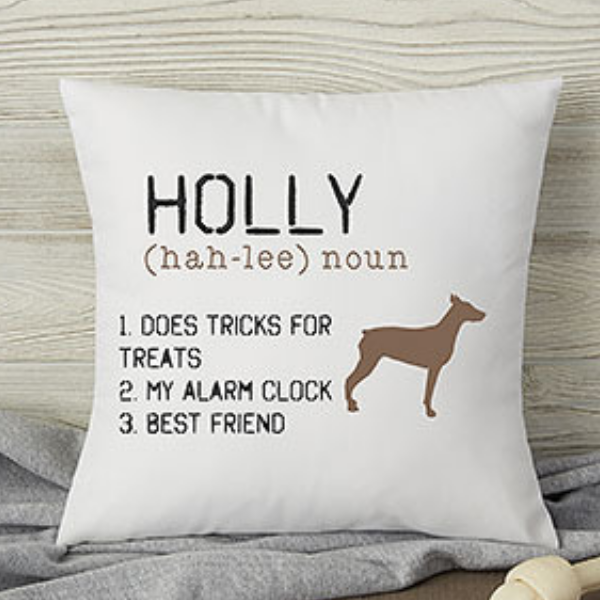
3. Definition of My Dog Throw Pillow


A stylish, customizable throw pillow that allows you to define your love’s dog’s unique attributes is not only personal, it also encourages cuddling on the couch with the dog, and you of course. The pillow is available in five colors guaranteed to match any décor (and dog).

4. Custom Pet Photo Etched Stemless Wine Glass


Made by CreateBrightly, custom stemless wine glasses feature a permanent, dishwasher-safe etched photo of your favorite person’s pet. If you order two, you can grow closer while enjoying a glass of wine and sharing your favorite pet memories this Valentine’s Day.

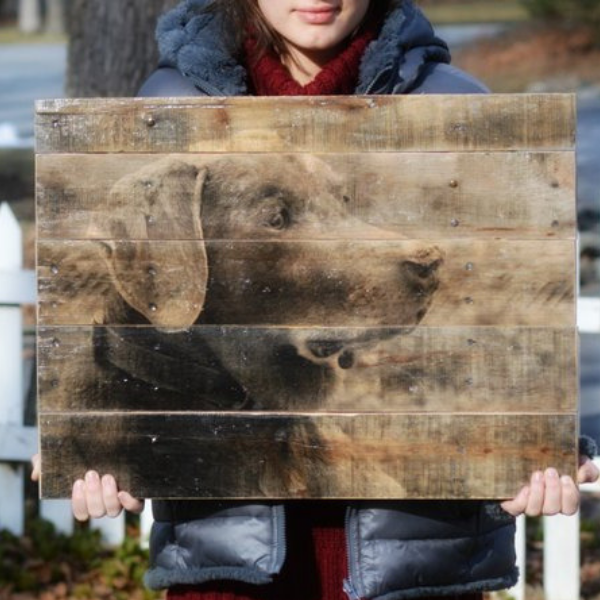
5. Rustic Pet Photo on Reclaimed Wood


While there are many talented artists creating custom pet photos, these works by Starlightwoods on reclaimed wood are natural and elegant and complement any décor.

6. Personalized Pet Photo Necklace


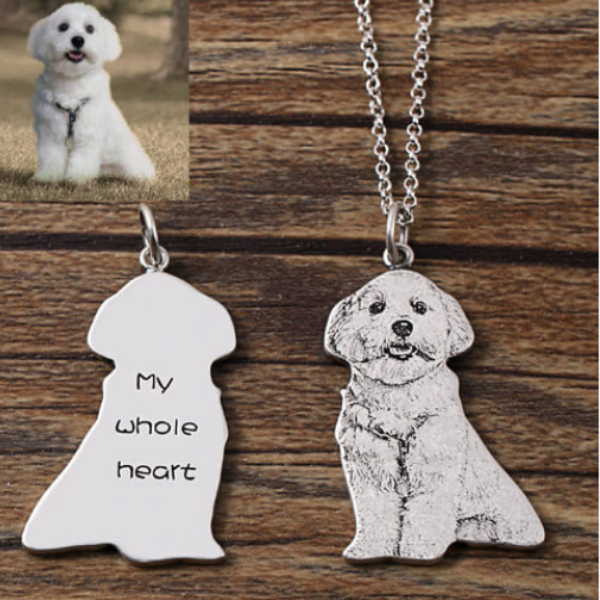
Jewelry isn’t a cliché gift when it’s something unique and one-of-a-kind, like a sterling silver necklace in the image of your favorite person’s pet. A message engraved on the back makes this gift extra charming.

7. Engraved Photo Keychain

Since your Valentine’s pet no doubt has the key to their heart, it’s only fitting that they have an elegant sterling silver keychain bearing their pet’s likeness on the front and a special message from you on the back.

8. Handmade Dog-Print Scarf


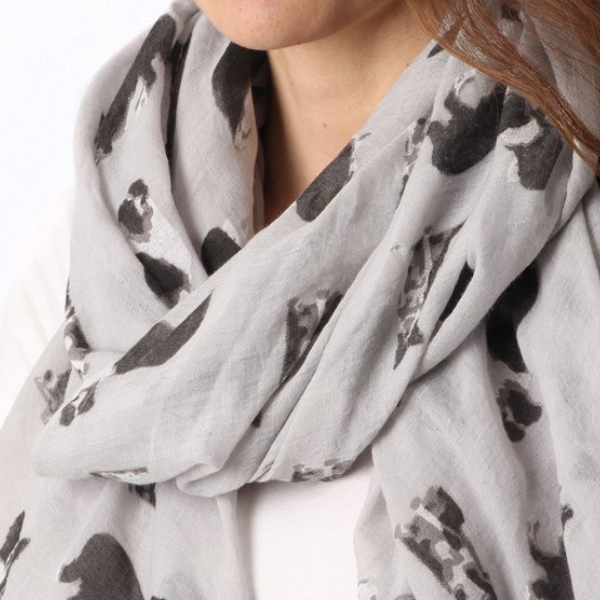
Fashionable pet lovers will not be able to resist a soft, stylish handmade scarf from Aurora Grace Design. The scarves come in multiple colors and patterns. They’re sure to keep your Valentine warm all season long.

9. Personalized Yeti Cup

You’ll be on that special someone’s mind year-round when you give them a Yeti cup engraved with their pet’s picture and name. Every time they sip their coffee on cool morning walks, they’ll remember how much you care about them and their pet.

10. Bouquet of “Home Is Where the Dog Is” Cookies

Though nothing is surely sweeter than your sweetie (or their pet), this bouquet of “Home is Where the Dog Is” cookies comes close. Available in bouquets of 5, 7, 9 or 12 cookies, this tasty shareable treat allows you to include a custom message (may we suggest “Bone” Appetit?).

If you’re looking for a gift that speaks the language of love to your or your special person’s pet(s), then try surprising them with a new, natural pet food or treat from Wellness Pet Food. Wellness recipes are as healthy as they are delicious.

Top 10 Ways to Treat Your Cat

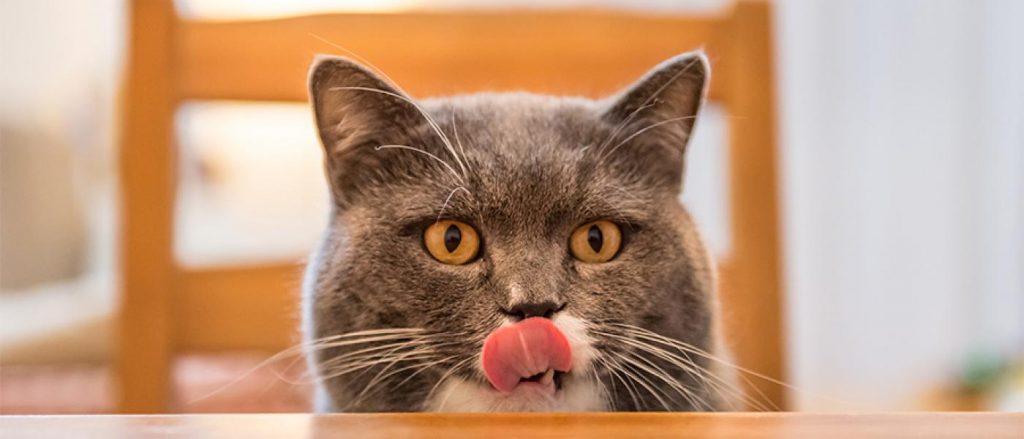
cat at table

If you’re a cat owner, then you know that cats are generally beguiling, low-maintenance, inquisitive pets. They don’t ask for much, even on a day designated for kitty Q&A (January 22 is National Answer Your Cat’s Questions Day). But if you’re like us, you’ll take any holiday dedicated to kitties as an opportunity to spoil them rotten. Here are our top ten ways to do just that:

1. Get a Really Nice Scratching Post

cat scratching post
Cats love to groom their nails even if their only predator is the vacuum cleaner. This is why cats like to claw and pick at things like your couch, your leather loafers, your carpet, etc. Answer their question of, “What can I scratch without making you scream” by treating them to a deluxe scratching post.

2. Help Your Cat Stay Groomed

Cats love to preen and clean, but they aren’t as fond of hacking up hairballs. Help your cat out by brushing her on a regular basis. The extra attention and bonding time you two will have is just an added bonus.

3. Treat Your Cat with Treats

Cats enjoy treats just as much as the next pet, so treat your cat by getting them a new treat that’s not only healthy but also delicious and low in calories.

4. Give Your Cat New Toys

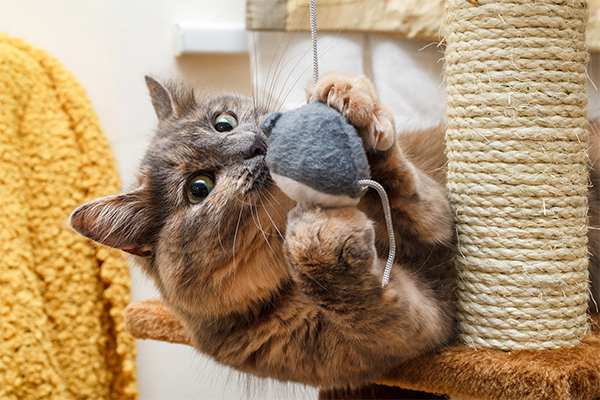
Generally-speaking, cat toys aren’t very costly, and cats love playing with them. Toys are physically and mentally stimulating, so playing with them keeps your cat young, sharp and healthy.

5. Refresh Your Cat’s Water Dish

Water is essential for your cat’s health and happiness. Because cats are curious and playful, you can make your cat’s time spent at the water cooler entertaining by upgrading their water dish to a fountain that bubbles and flows. There are many options available at various price points.

6. Upgrade Your Cat’s Throne (Litter Box)

A splurge that might benefit you as well, pick up a self-cleaning litter box and your cat will never have to suffer the indignity of a dirty litter box again.

7. Spend Some Extra Time Cuddling Together

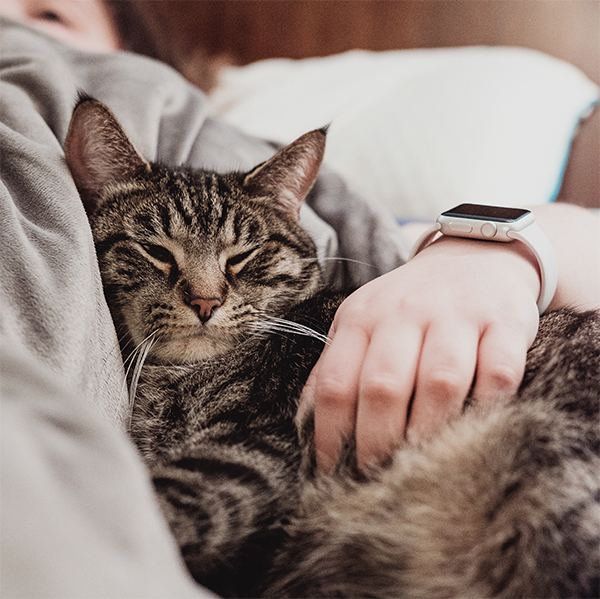
person snuggling with cat
For most cats, there’s no time like lap time, so plan to spend a little extra time sitting and relaxing. Plan to sit down and finally read that book you’ve been wanting to start or use your cuddle time for an extra brushing session.

8. Plant a Patch of Cat Grass

If you’ve ever seen your cat try to nibble the leaves of your favorite fichus or the blooms of fresh-cut flowers, it’s because they’ve got a natural instinct to nosh on grass. Grass fibers help them with digestion among other things. Cat grass is actually easy to grow indoors and outdoors and is a definite treat for kitties (it’s also a treat for your indoor house plants, many of which are toxic to pets).

9. Treat Your Cat to Catnip

Different from cat grass, catnip is an herb from the mint family that has a stimulating effect on cat behavior. A little catnip can help make your cat’s playtime extra fun; however, do be careful when it comes to catnip as not all cats will enjoy the effect.

10. Get Your Cat a New Bed

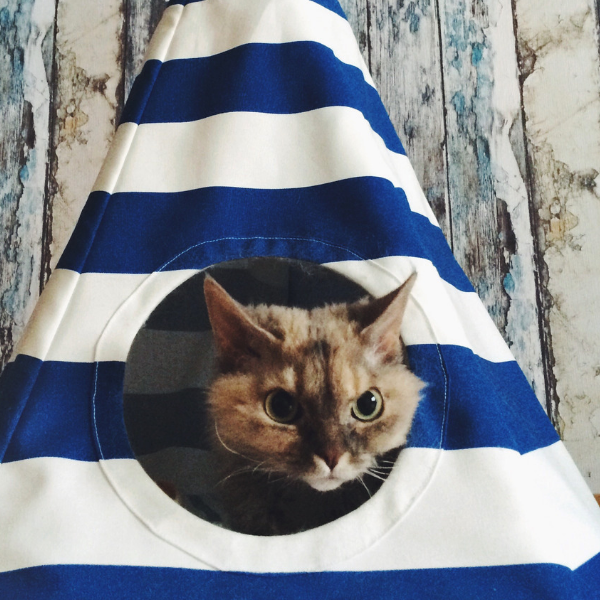
cat in cat house
Your cat probably spends more of his hours each day sleeping than awake, so a new bed is a perfect treat. Depending on your cat’s personality you can get something ultra-plush or with lots of coverage, so you cat feels like he’s sleeping in his own private cave…a real treat for any kitty.

While an extra hug and a scratch behind the ears is a treat for most cats, there are plenty of extra-special ways to treat your cat every day. One way is by making sure you feed your cat an natural cat food, one designed to support lifelong physical, mental and emotional feline health.

Complete List of 2019 Pet Holidays

Every month of 2019 is full of exciting pet holidays for cats and dogs. With this list, you can guarantee that you don’t miss celebrating a single one.

Pet Holidays for January 2019

  • Walk Your Pet Month
  • National Train Your Dog Month
  • Unchain a Dog Month
  • January 2: National Pet Travel Safety Day
  • January 2: Happy Mew Year for Cat’s Day
  • January 14: National Dress Up Your Pet Day
  • January 22: National Answer Your Cat’s Question Day
  • January 24: Change a Pet’s Life Day
  • January 29: Seeing-Eye Guide Dog Anniversary

Pet Holidays for February 2019

  • Pet Dental Health Month
  • Dog Training Education Month
  • National Cat Health Month
  • Responsible Pet Owners Month
  • Spay / Neuter Awareness Month (AKA Beat the Heat Month)
  • Pet Dental Health Month
  • February 3–9: Have a Heart for Chained Dogs Week
  • February 11–12: Westminster Kennel Club Dog Show
  • February 14: Pet Theft Awareness Day
  • February 20: Love Your Pet Day
  • February 22: National Walk Your Dog Day
  • February 23: International Dog Biscuit Appreciation Day
  • February 24–March 2: National Justice for Animals Week
  • February 26: Spay Day USA / World Spay Day

Pet Holidays for March 2019

  • Poison Prevention Awareness Month
  • March 3: It Pets Had Thumbs Day
  • March 3–10: Professional Pet Sitters Week
  • March 13: K-9 Veteran’s Day
  • March 17–23: National Poison Prevention Week
  • March 23: National Puppy Day; Cuddly Kitten Day
  • March 28: Respect Your Cat Day
  • March 30: Take a Walk in the Park Day

Pet Holidays for April 2019

  • Heartworm Awareness Month
  • National Adopt a Greyhound Month
  • National Pet First Aid Awareness Month
  • Prevent Lyme Disease in Dogs Month
  • Prevention of Cruelty to Animals Month
  • April 1–7: International Pooper Scooper Week
  • April 1–7: National Raw Feeding Week
  • April 6: National Siamese Cat Day
  • April 7–13: National Animal Control Officer Appreciation Week
  • April 7–13: National Dog Bite Prevention Week
  • April 8: National Dog Fighting Awareness Day
  • April 10: National Hug Your Dog Day
  • April 11: National Pet Day
  • April 11: Dog Therapy Appreciation Day
  • April 14–20: National Pet ID Week
  • April 14–20: Human Violence Awareness Week
  • April 18: Pet Owners Independence Day
  • April 21: Bulldogs Are Beautiful Day
  • April 23: National Lost Dog Awareness Day
  • April 25: International Guide Dog Day
  • April 26: National Kids and Pets Day
  • April 26: Hairball Awareness Day
  • April 27: World Veterinary Day
  • April 28: National Pet Parents Day
  • April 30: National Tabby Day
  • April 30: Adopt a Shelter Pet Day
  • April 30: National Therapy Animal Day

Pet Holidays for May 2019

  • Chip Your Pet Month
  • Pet Cancer Awareness Month
  • National Pet Month
  • Responsible Animal Guardian Month
  • National Service Dog Eye Examination Month
  • Lyme Disease Prevention Month
  • May 1: National Purebred Dog Day
  • May 3: National Specially-abled Pets Day
  • May 5–11: National Pet Week
  • May 5–11: Be Kind to Animals Week
  • May 5: Mayday for Mutts
  • May 6–11: Puppy Mill Action Week
  • May 11: National Animal Disaster Preparedness Day
  • May 14: International Chihuahua Appreciation Day
  • May 30: International Hug Your Cat Day

Pet Holidays for June 2019

  • Adopt a Cat Month (AH) / Adopt a Shelter Cat Month (ASPCA)
  • National Pet Preparedness Month
  • National Microchipping Month
  • June 2–8: Pet Appreciation Day
  • June 4: Hug Your Cat day
  • June 8: National Best Friends Day
  • June 9: World Pet Memorial Day
  • June 16–22: Take Your Pet to Work Week®
  • June 17: Take Your Cat to Work Day™
  • June 19: National Garfield the Cat Day
  • June 21: Take Your Dog to Work Day®
  • June 21: Dog Party Day
  • June 24: Cat World Domination Day 
  •  

Pet Holidays for July 2019

  • Dog House Repair Month
  • National Lost Pet Prevention Month
  • National Pet Hydration Awareness Month
  • July 1: ID Your Pet Day
  • July 5: Pet Remembrance Day
  • July 11: All-American Pet Photo Day
  • July 15: National Pet Fire Safety Day
  • July 21: National Craft Your Local Shelters Day
  • July 21: No Pet Store Puppies Day
  • July 31: National Mutt Day

Pet Holidays for August 2019

  • National Immunization Awareness Month
  • August 1: DOGust Universal Birthday for Shelter Dogs
  • August 4–10: International Assistance Dog Week
  • August 5: Work Like a Dog Day
  • August 8: International Cat Day
  • August 10: Spoil Your Dog Day
  • August 15: National Check the Chip Day
  • August 17: National Black Cat Appreciation Day
  • August 17: International Homeless Animals Day
  • August 22: National Take Your Cat to the Vet Day
  • August 26: National Dog Day
  • August 28: Rainbow Bridge Remembrance Day
  • August 30: National Holistic Pet Day

Pet Holidays for September 2019

  • Happy Healthy Cat Month
  • Guide / Service Dogs Month
  • National Pet Insurance Month
  • Animal Pain Awareness Month
  • Responsible Dog Ownership Month
  • Pet Sitter Education Month
  • September 1: Ginger Cat Appreciation Day
  • September 8: National Pet Memorial Day
  • September 8: National Hug Your Hound Day
  • September 16–22: Adopt a Less-Adoptable Week
  • September 21: Puppy Mill Awareness Day
  • September 21: Responsible Dog Ownership Day
  • September 22–28: National Dog Week
  • September 22–28: Deaf Pet Awareness Week
  • September 23: Dogs in Politics Day
  • September 28: World Rabies Day
  • September 28: World’s Largest Pet Walk

Pet Holidays for October 2019

  • National Animal Safety and Protection Month
  • Adopt a Dog Month (AH) / Adopt a Shelter Dog Month (ASPCA)
  • National Pet Wellness Month
  • National Pitbull Awareness Month
  • October 1: National Fire Pup Day
  • October 1: National Black Dog Day
  • October 1–6: National Walk Your Dog Week
  • October 4: World Animal Day
  • October 4: World Pets Day
  • October 7–13: Animal Welfare Week
  • October 9: Pet Obesity Awareness Day
  • October 14–20: Veterinary Technician Week
  • October 16: National Feral Cat Day
  • October 26: National Pit Bull Awareness Day
  • October 27: National Black Cat Day (UK)
  • October 29: National Cat Day

Pet Holidays for November 2019

  • Adopt a Senior Pet Month
  • National Senior Pet Month
  • Pet Diabetes Month
  • Pet Cancer Awareness Month (AVMA)
  • November 1: National Cook for Your Pets Day
  • November 3–9: National Animal Shelter and Rescue Appreciation Week
  • November 7: National Canine Lymphoma Awareness Day
  • November 17: National Black Cat Day (US)

Pet Holidays for December 2019

  • National Cat Lovers’ Month
  • December 2: National Mutt Day
  • December 15: National Cat Herder’s Day

At Wellness Pet Food, we celebrate pets every day by making a wide variety of all-natural cat and dog foods, snacks, treats, and toppers. Celebrate your pet by making their complete health inside and out your priority.

How to Train Your Dog to Walk on a Leash

January is not only National Train Your Dog Month, it’s National Walk Your Dog Month, and we’re celebrating by sharing tips on how you can train your dog to walk on a leash. While trained dogs make walking on a leash look like a breeze, the reality is that walking an untrained dog on a leash can be a major challenge. These training tips will help you teach your dog to walk on a leash, and give you the confidence to stick with this healthy habit throughout the year.

Introduce the Leash to the Dog

Regardless of your dog’s age or previous leash exposure, all dogs can be taught to walk on a leash. Start simple. Start by exposing your dog to the leash. It’s recommended to let your dog wear her collar or harness with the leash around the house for brief periods of time to get her used to the sensation.
You can give treats during this time, so that wearing the harness and leash has positive associations.

Teach Your Dog Cues to Follow

One of the biggest struggles dog owners have is their dog pulling the leash or not following. While the dog is wearing the leash, practice getting him to come to you. Do this using cues. Cues should be audible sounds (like a click or a word) that you consistently use to indicate a behavior. When your dog obeys the cue, reward him with a treat. Eventually, he will come to understand what the cue means and will perform the command without requiring a reward.
Chances are, your dog will need to practice learning and following the cue to come to you repeatedly. You might need to rehearse this over the course of several days for brief periods of time each day before your dog obeys you completely and without treats.

Practice Walking Outside (with Treats)

When you take your dog outside, he might not respond as well to cues because of the additional stimuli. That is okay. Practice walking in an open space where there are few distractions. 

  • Put your dog on the leash and start to walk.
  • Use verbal cues to guide your dog. If your dog doesn’t obey or acts excitedly, stop walking.
  • Wait for your dog to come back to you and start again. When he walks where you’d like him to, reward his efforts with a treat. Ideally, the verbal cues you used to coach your dog will be effective in getting him to walk without pulling, lunging, or chasing something in the environment.

Note that if you don’t have a backyard or space to practice walking in that is (relatively) stimulation-free, you can practice walking your dog inside your home. As with learning cues, it is best to start with short walks to help your dog get used to walking the way you want him to walk on a leash.
As you extend the longevity of your walks, you can reduce the number of treats you give your dog for walking correctly until you are walking or jogging with your dog exactly the way you want with no treats. Keep in mind it is okay if your dog lunges or does things he shouldn’t do at firstall dogs can be trained, it just takes time, but what better time to train your dog to walk on a leash than during National Train Your Dog Month and National Walk Your Dog Month?

Training dogs can sometimes be a challenge, but taking your time, using cues, and using treats makes it doable. Even though treats are rewards, they should still be all-natural and complaint with your dog’s diet. Wellness Pet Food makes a variety of dog treats and snacks that are healthy and delicious and are perfect for training your dog.

About This Page

Topic:

행동 교정 및 훈련 가이드

Date:

11/01/2019

    Be the best pet parent you can be. Join for expert advice.

    Sign Up